
Welcome to FanNation, Part of the Sports Illustrated Media Group
Find and follow your favorite team here. Get the latest news and updates about the team you care most about.
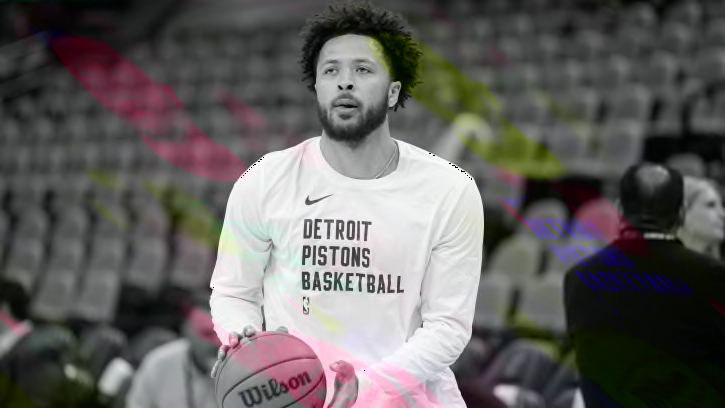
Detroit Pistons Star Cade Cunningham Reveals Offseason Workout Plans
What's Cade Cunningham looking to work on this summer?
Recent Articles
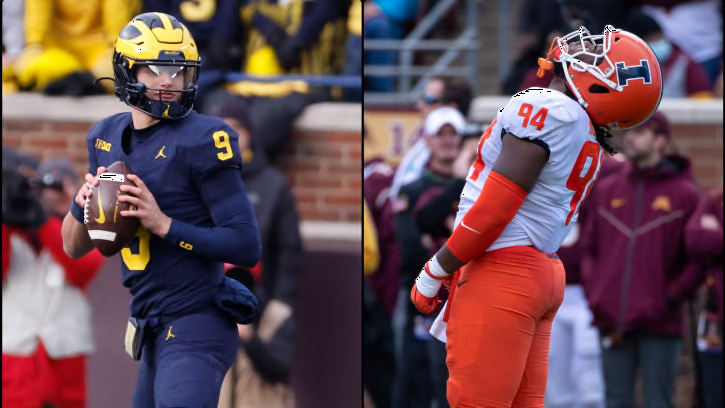
Why the Vikings Chose Two Big Ten Stars in Fan Nation's Mock Draft
The Vikings grab their quarterback of the future and an impact defensive tackle in this mock.
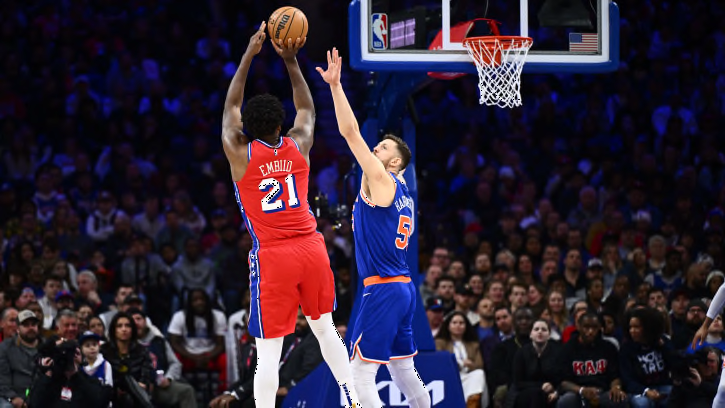
Was a New York Knicks Center Shading Sixers’ Joel Embiid?
New York Knicks' Isaiah Hartenstein riled up Philadelphia 76ers fans ahead of the 2024 NBA Playoffs.
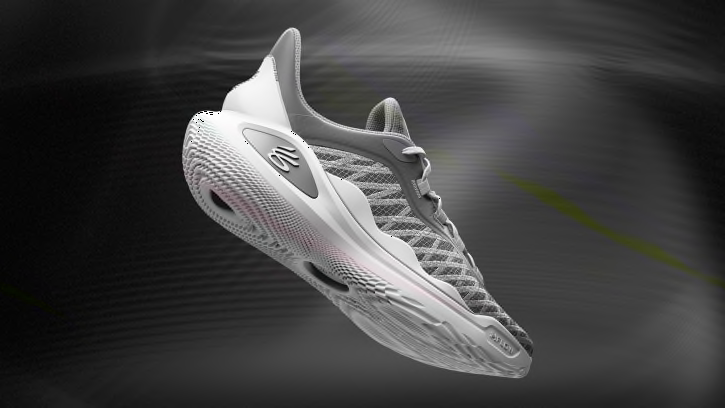
Stephen Curry's Son Inspired His New 'Future Wolf' Sneakers
The Curry 11 'Future Wolf' colorway launched on April 19 for $160.
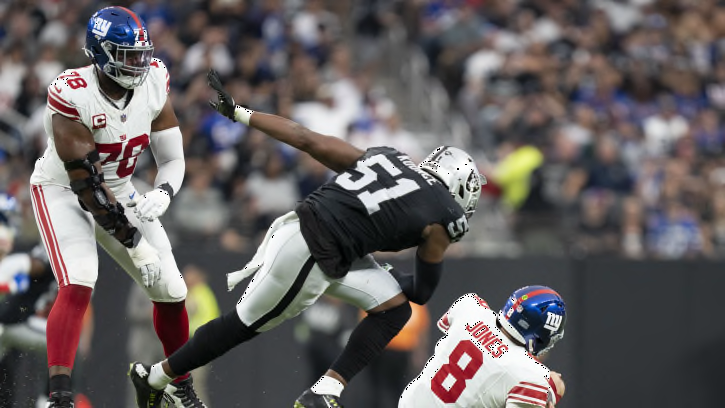
Las Vegas Raiders DE Malcolm Koonce Talks Career Season
Las Vegas Raiders DE Malcolm Koonce comes off his best season yet.

Pitt Offers Jacksonville State Transfer LB
The Pitt Panthers extended an offer to a transfer linebacker from Jacksonville State.
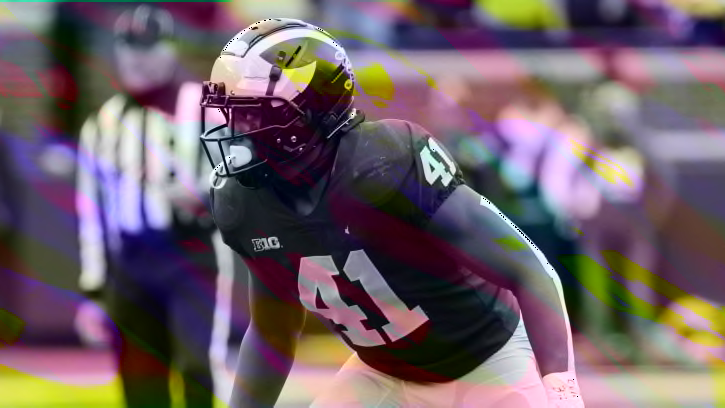
Nikhai Hill-Green Considering Return To Michigan
After spending a year playing for Charlotte, former Michigan linebacker Nikhai Hill-Green is in the transfer portal and considering the Wolverines once again.
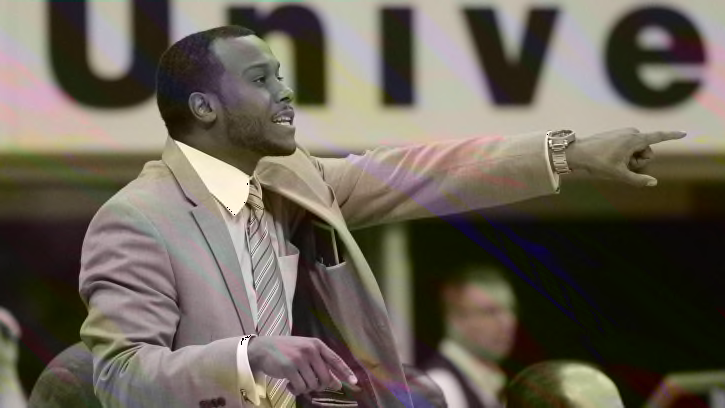
Pitt Legend Signs Extension With Rutgers
Former Pitt Panthers great Brandin Knight is sticking with Rutgers.

Yankees Star Suffers Setback In His Attempt To Return From Tough Injury
New York fans will have to wait a little longer to see the All-Star in action
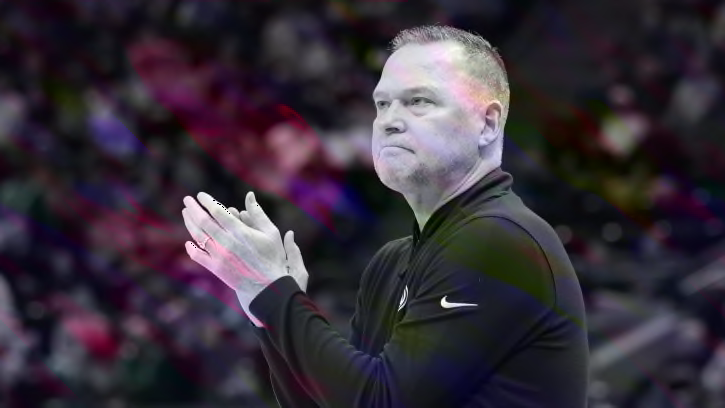
Michael Malone's Strong Statement on Lakers
The Denver Nuggets know the Lakers are motivated
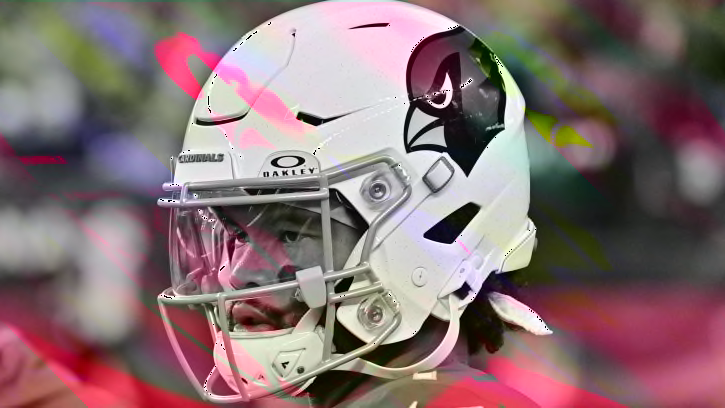
Cardinals 'Fired Up' for Kyler Murray's 2024 Season
The Arizona Cardinals believe Kyler Murray can transform their offense now back at full health.
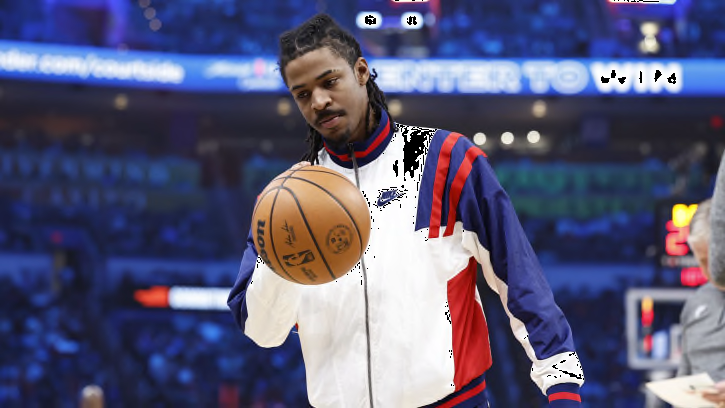
Memphis Grizzlies Provide Major Ja Morant Injury Update
When will Ja Morant return?
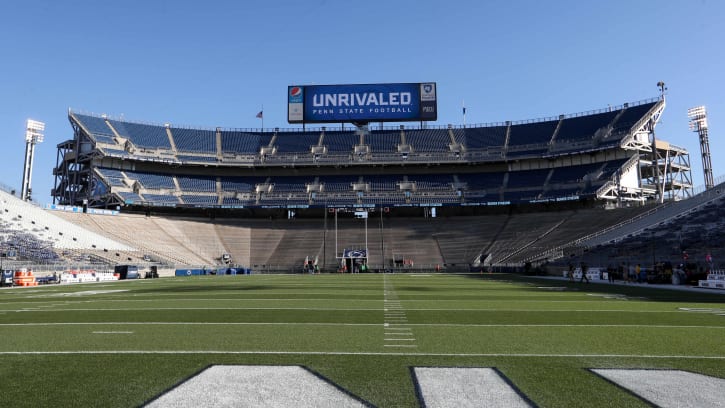
Penn State Reschedules Fall Graduation With College Football Playoff in Mind
The university pushes its December graduation ahead one day in case the Nittany Lions make the playoffs.
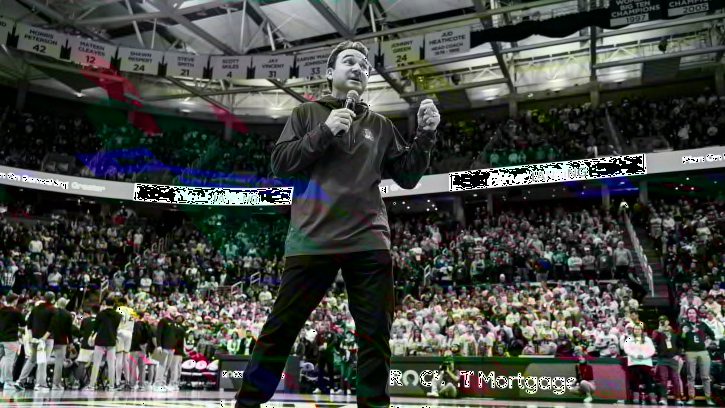
Michigan State's Jonathan Smith Talks Transfer Portal
The spring transfer portal opened on Tuesday, and while the Michigan State football program prepares for its "Spring Showcase," there is still an emphasis within the recruiting department.

Pair of Seattle Mariners Relievers Make Solid Progress on Comeback Trail
The Seattle Mariners are getting closer to getting back relievers Collin Snider and Cody Bolton, who both made appearances on Thursday with Triple-A Tacoma.

Standout Alabama Corner Seen As 'Ideal' Pick For Eagles To Boost Secondary
Philadelphia will have a tough choice to make next week
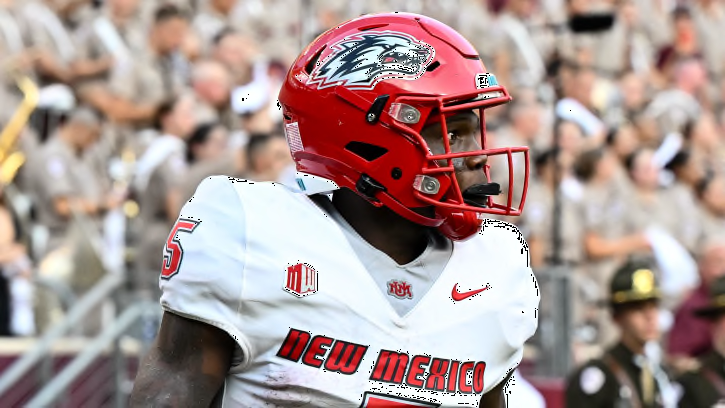
TRANSFER PORTAL: New Mexico RB Jacory Croskey-Merritt Flips Commitment To Ole Miss
Croskey-Merritt originally committed to Arizona this cycle

Suns Reveal Game 1 Injury Report vs Timberwolves
The Phoenix Suns have a fairly clean bill of health entering Game 1.
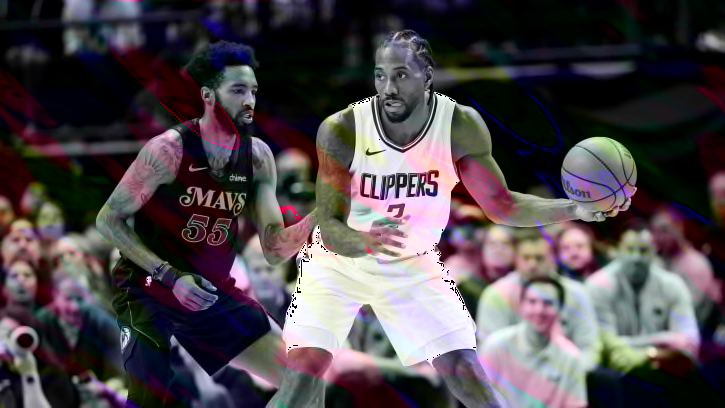
Dallas Mavericks Player Makes Unexpected Kawhi Leonard Statement
LA Clippers vs. Dallas Mavericks should be a fun series
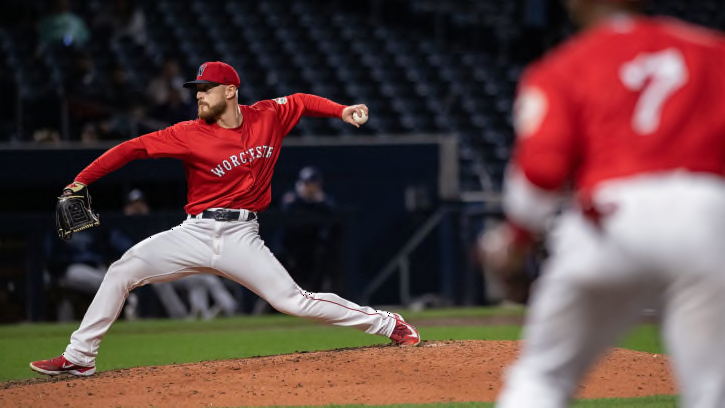
Boston Red Sox Call Up 31-Year-Old Reliever Cam Booser to Make MLB Debut
Relief pitcher Cam Booser was retired and working as a carpenter 4 years ago, but his comeback has reached its peak now that the Boston Red Sox called him up.

Husky Receivers Have Been Told Bigger Is Better and No One is Arguing
Giles Jackson and Denzel Boston each have changed their physiques somewhat dramatically.
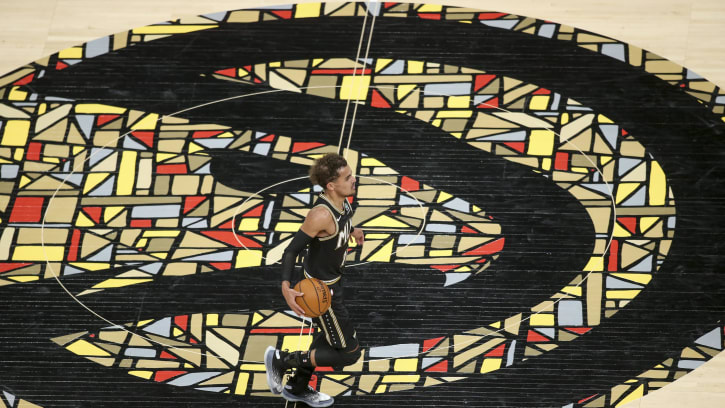
Report: Atlanta Hawks Hire Golden State's Onsi Saleh As An Assistant General Manager
The Atlanta Hawks made an interesting hire today. According to ESPN's Adrian Wojnarowski, Atlanta is planning on hiring Golden State’s Onsi Saleh as an assista
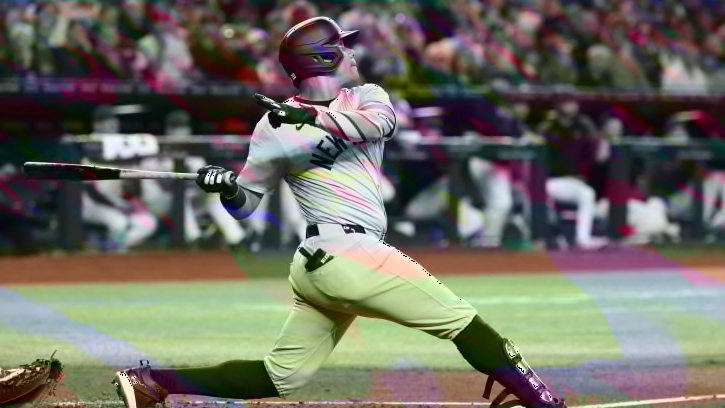
Mets Could Sign Yankees Superstar Juan Soto According To Insider
New York could look to make one of the biggest splashes in baseball next offseason
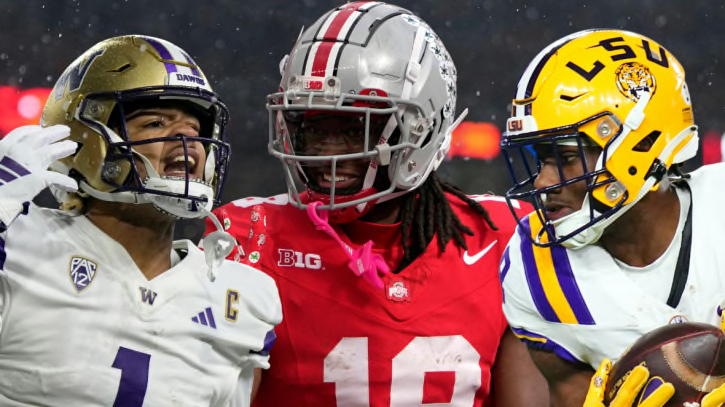
Cardinals Aren't Leaving First Round Without WR
The Arizona Cardinals know exactly what their offense and Kyler Murray needs.
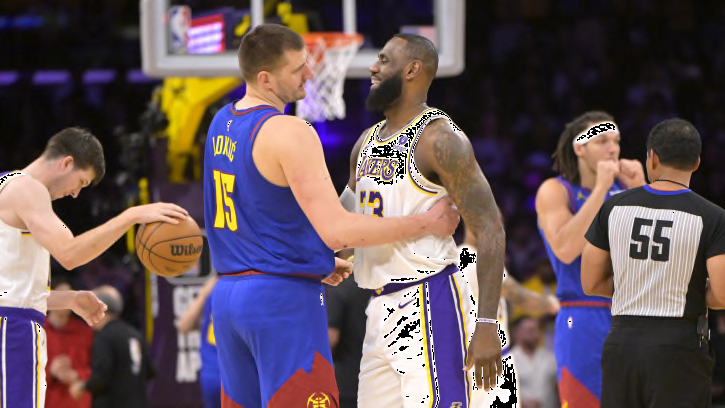
Nikola Jokic's Massive Statement on LeBron James
Nikola Jokic gave massive words for LeBron James