
Welcome to FanNation, Part of the Sports Illustrated Media Group
Find and follow your favorite team here. Get the latest news and updates about the team you care most about.
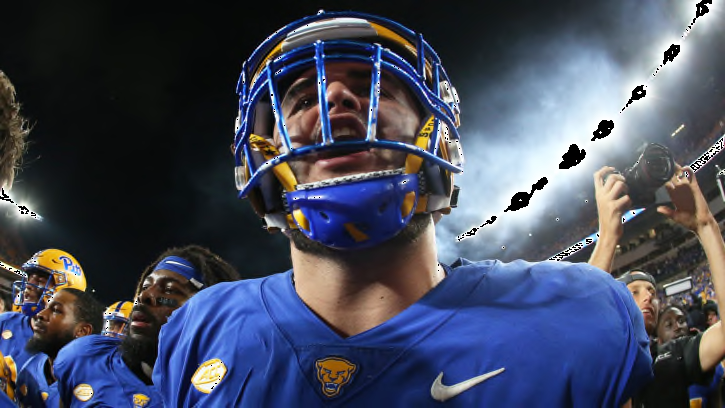
Colts Select Pittsburgh OT Matt Goncalves with 79th Pick in NFL Draft
The Indianapolis Colts traded up and selected Pittsburgh offensive tackle Matt Goncalves in the third round of the 2024 NFL Draft with the 79th overall pick.
Recent Articles
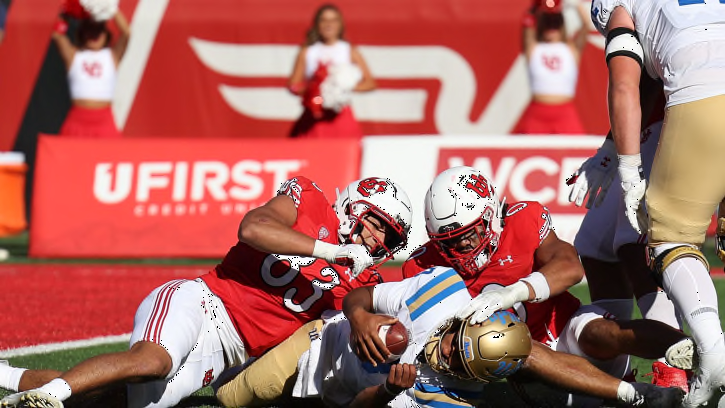
Utah Utes EDGE Jonah Elliss Selected By The Denver Broncos With The No. 76 Pick Overall
The Utah Utes have had two players drafted on day two of the 2024 NFL Draft. Joining safety Cole Bishop, Utah star pass-rusher Jonah Elliss heard his name calle
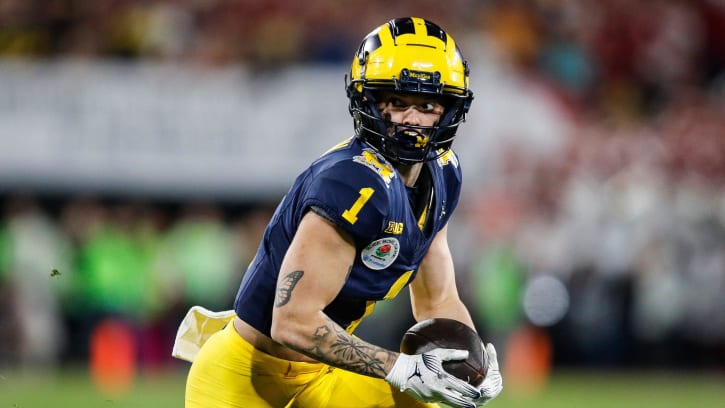
Steelers Draft Michigan WR Roman Wilson
The Pittsburgh Steelers are adding a wide receiver in the third round of the 2024 NFL Draft.
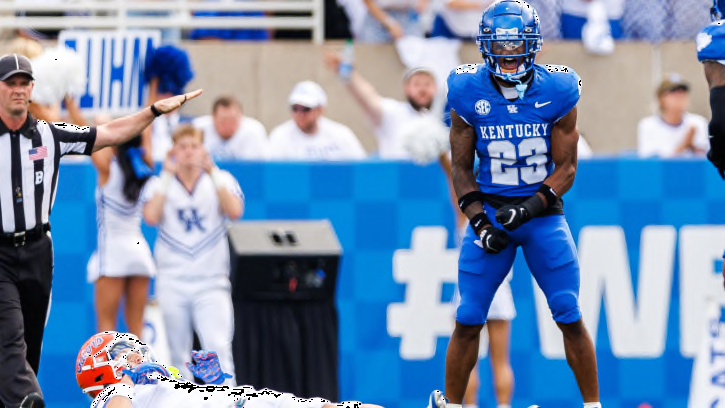
Giants Add Kentucky CB Andru Phillips in Third Round
New York adds another player to their defensive backfield on Day 2 of the NFL Draft.
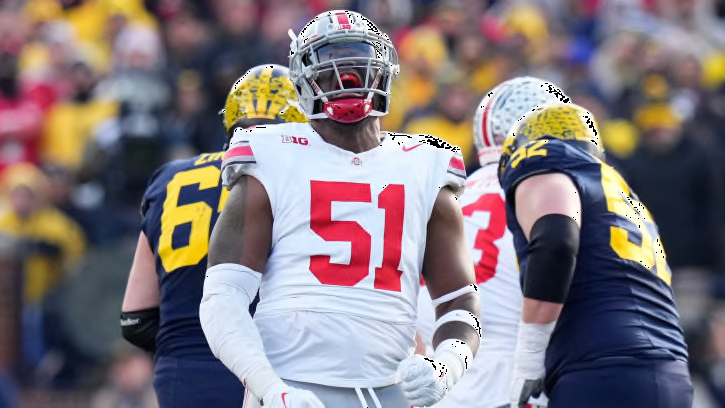
New Browns DT Michael Hall Jr. Responds To Criticisms Over Being "Undersized"
The Ohio State product was the Browns pick at No. 54 overall in the second round.
Virginia Baseball Evens Series With Gritty Comeback Win Over Boston College
UVA baseball evened the weekend series with Boston College with a 4-3 victory on Friday, the 18th come-from-behind victory of the season for the Cavaliers.
Huskies' Trice Drafted in Third Round, Joins Penix and Lake in Atlanta
The UW edge rusher went in the third round to the Falcons.
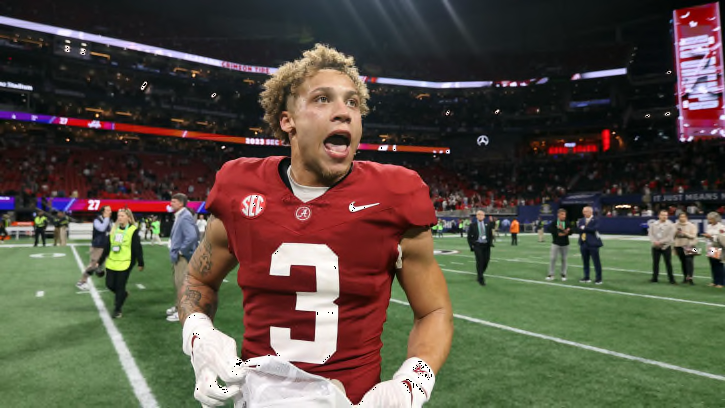
Alabama Wide Receiver Jermaine Burton Selected in the NFL Draft
Alabama Wide Receiver Jermaine Burton becomes the sixth Crimson Tide product selected.
West Virginia Rolls in Series Opener vs. Baylor
The Mountaineers produce 18 runs and cruise in game one versus the Bears
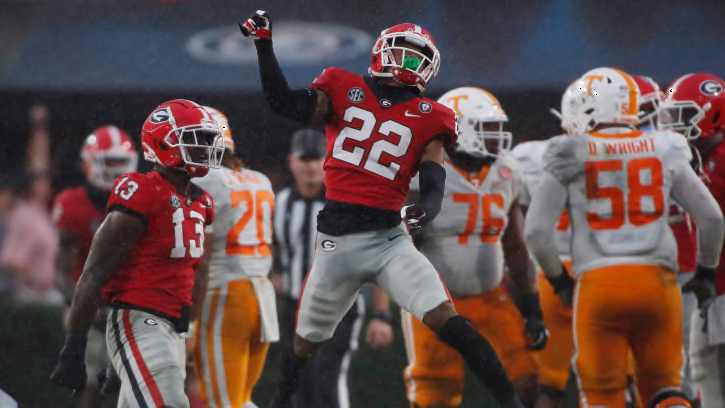
Packers Draft ‘Little Stick of Dynamite’ Javon Bullard
Javon Bullard played mostly in the slot in 2022 and mostly free safety in 2023. He will join Xavier McKinney is a dramatic revamp of the Packers’ safety room.
Watch: Zac Taylor Calls Kris Jenkins to Make Him Bengals Second-Round Pick
Cincinnati is beefing up the roster.
Louisville Blows Seven-Run Lead, Drops Series Opener Against Clemson
The Cardinals led 11-4 through four innings, then allowed eight unanswered runs to the Tigers.
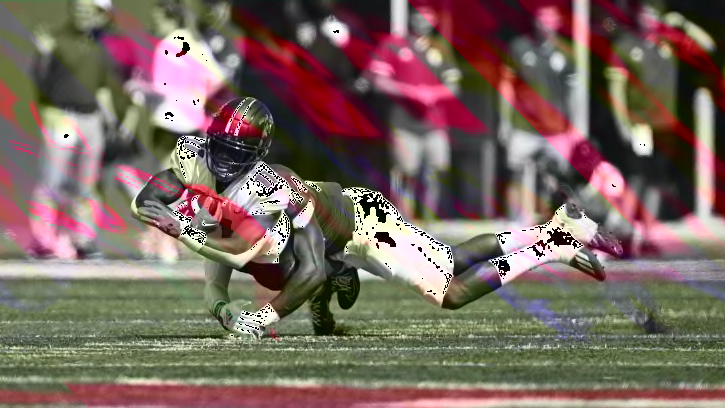
Draft Grades: Did New York Jets Get Right Offensive Help In Third Round?
The New York Jets traded up to get an offensive weapon that could help quarterback Aaron Rodgers this season.
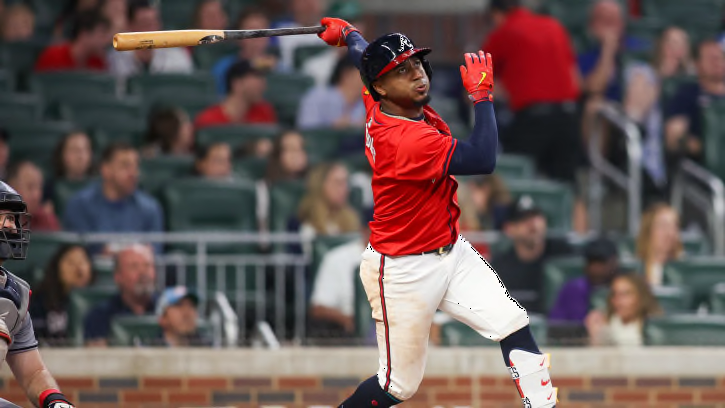
Takeaways: Atlanta Continues Dominant Homestand With Easy 6-2 Win Over
The Atlanta Braves are 9-1 in their last ten games thanks to some dominant starts and some clutch hitting
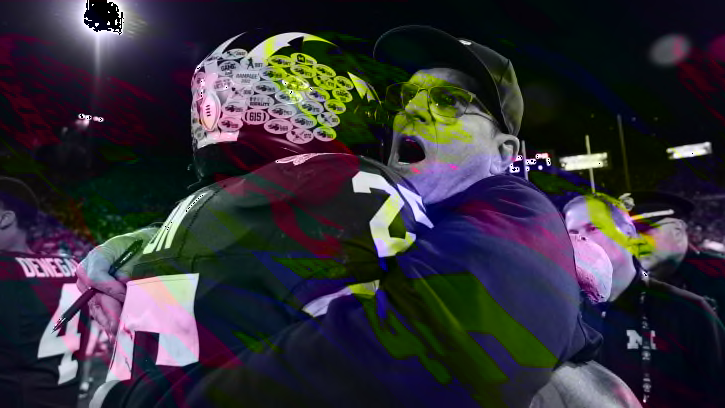
Jim Harbaugh, Los Angeles Chargers Select Junior Colson
Jim Harbaugh went back to the Michigan well to select linebacker Junior Colson early in the third round.
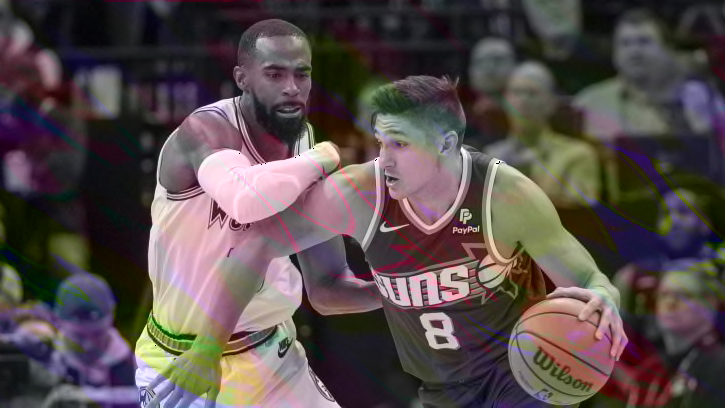
Suns Reveal Grayson Allen's Game 3 Status vs Timberwolves
Phoenix Suns guard Grayson Allen was initially questionable for tonight.
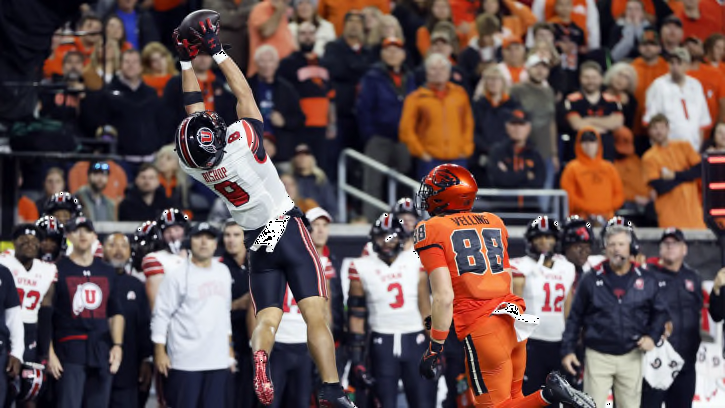
Utah Utes Safety Cole Bishop Selected By The Buffalo Bills With The No. 60 Pick Overall
After a stellar career with the Utah Utes, Cole Bishop is headed to the NFL. The former Utes safety heard his name called with the No. 60 by the Buffalo Bills.
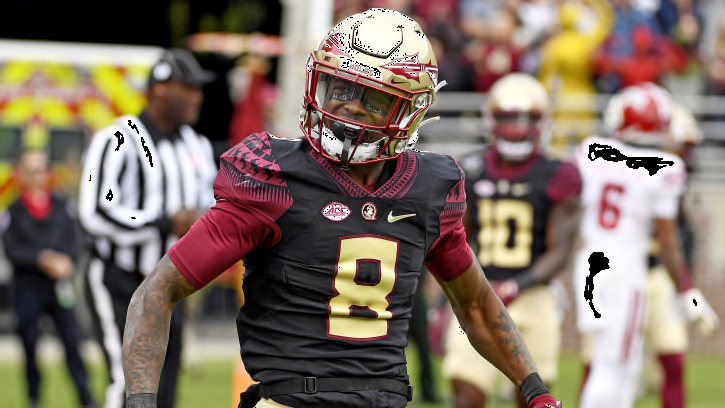
The 49ers Draft CB Renardo Green in Round 2
Green has experience playing outside and in the slot, and he specializes in press man-to-man coverage.
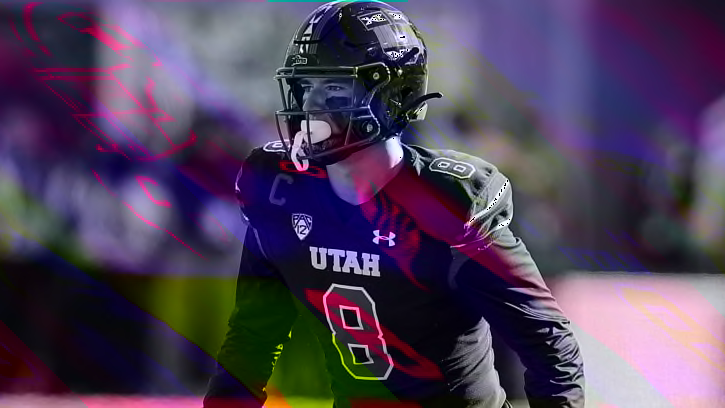
Buffalo Bills Select Utah Safety Cole Bishop in 2024 NFL draft. What You Need to Know
Bills second round pick safety Cole Bishop brings leadership, strong football instincts and physicality.
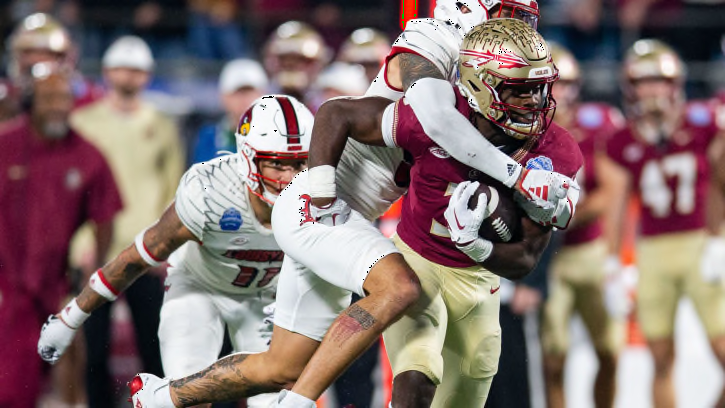
What New Cardinals RB Brings From NFL Draft
The Cardinals draft a speedster of a workhorse from Florida State.
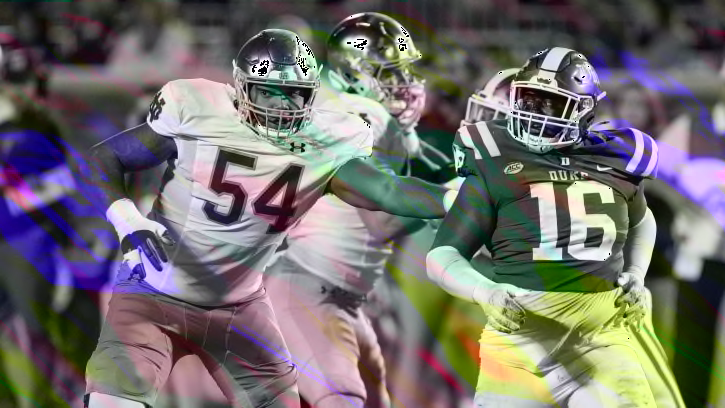
SOCIAL REACTIONS: Houston Texans Select OT Blake Fisher With the 59th Pick in the NFL Draft
Houston Texans Select OT Blake Fisher With the 59th Pick in the NFL Draft.
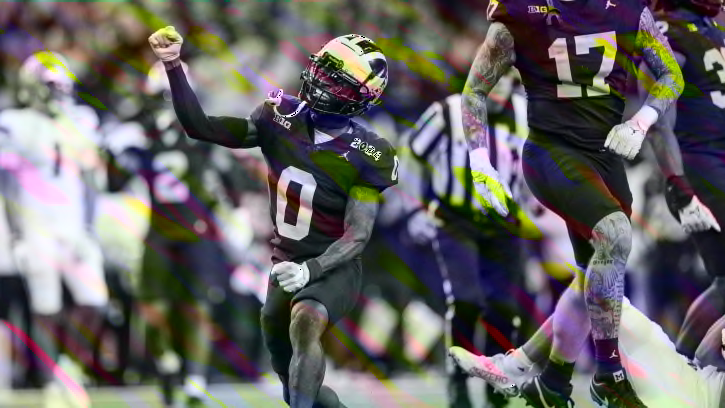
WATCH: Washington Commanders New Cornerback Mike Sainristil Is A Ball-Hawk
This is going to be a fun pick for the Commanders.
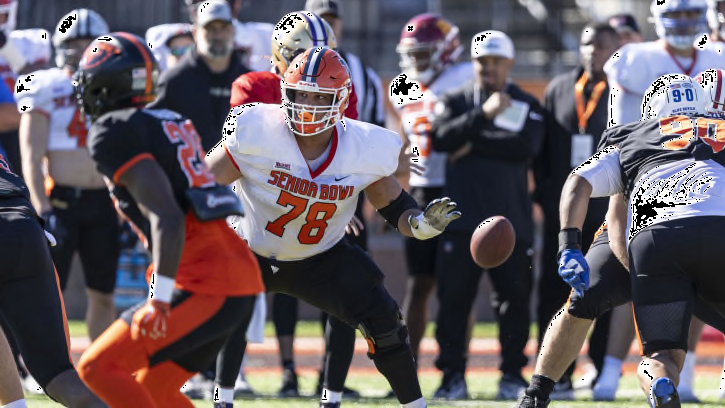
Cardinals Add Offensive Lineman in 2024 NFL Draft
The Arizona Cardinals beef up the trenches with Illinois' Isaiah Adams.
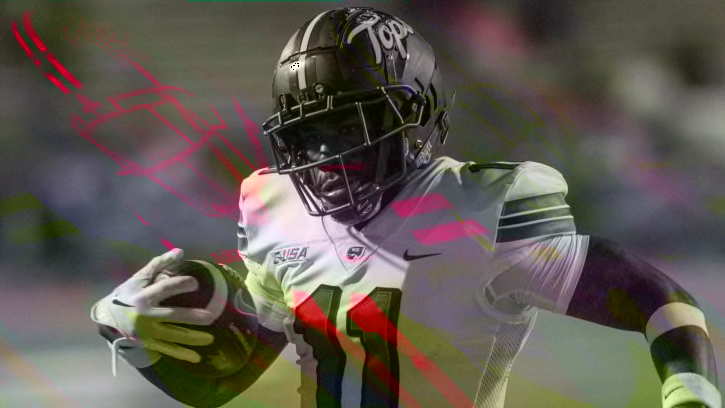
Grade the Trade: Jets Jump to 65th, Take WR Malachi Corley
The New York Jets are in an interesting spot in their development arc. Was it a good trade?
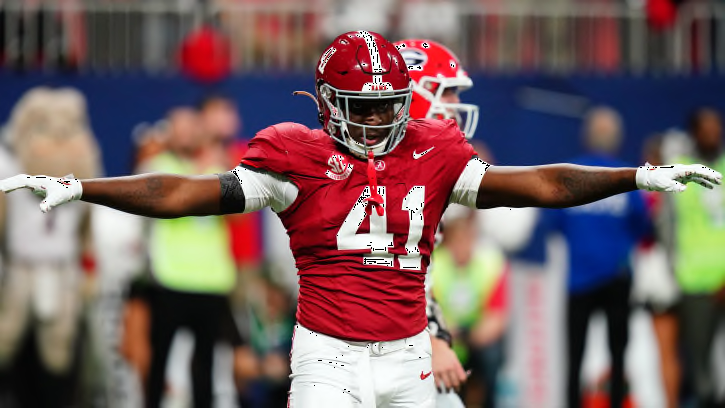
WATCH: Highlights From New Buccaneers EDGE Chris Braswell
The Bucs may have gotten a strong edge rusher to pair alongside Yaya Diaby.