
Welcome to FanNation, Part of the Sports Illustrated Media Group
Find and follow your favorite team here. Get the latest news and updates about the team you care most about.
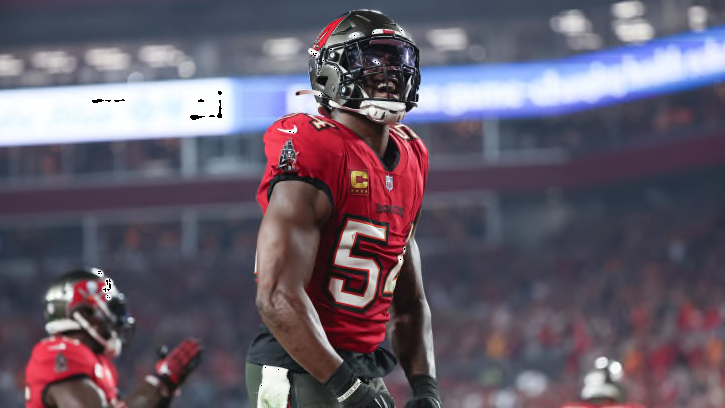
Lavonte David Comments on Buccaneers Not Being Favorites to Win NFC South in 2024
The Bucs are being counted out, but it doesn't phase Tampa Bay's longtime linebacker.
Recent Articles

One Common Theme That the 49ers Used in the NFL Draft
Seems like the 49ers really emphasized this theme when it came to the players they drafted.
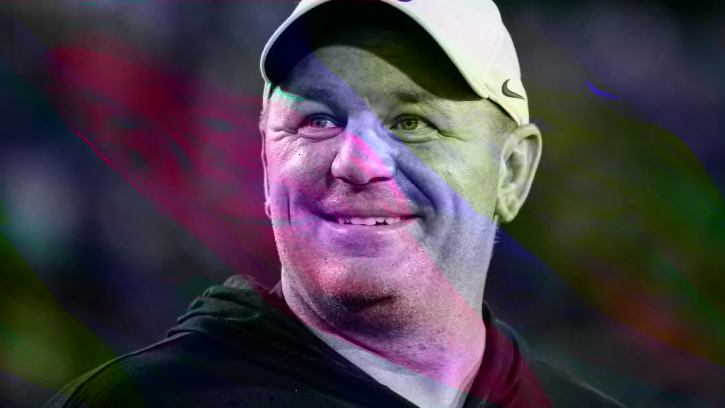
Texas A&M Aggies in Top 10 Best College Football Coaching Jobs
After a tumultuous few seasons under Jimbo Fisher, the Texas A&M Aggies made a coaching change last November.
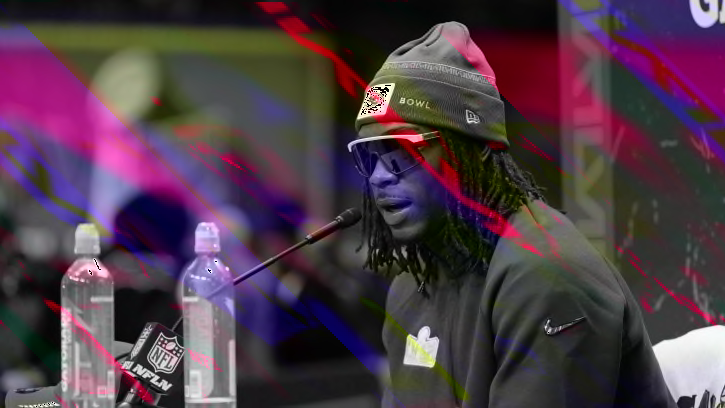
Rashee Rice Suspect in Dallas Night Club Alleged Assault: Report
Wide receiver Rashee Rice is a suspect in an alleged assault that injured a man at a Dallas nightclub earlier this week, per a report.
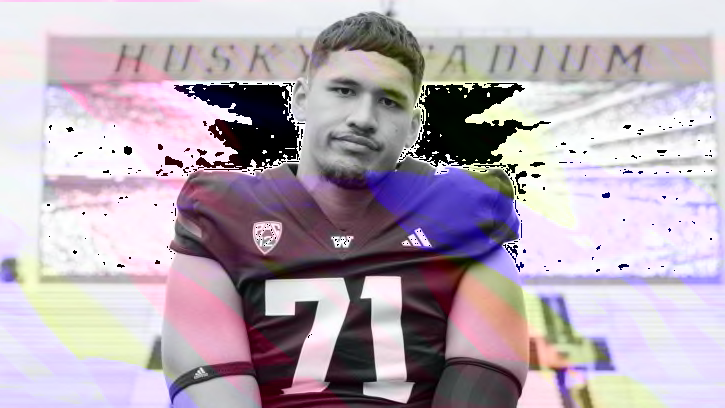
Husky Portal Newcomers Seriously Still Have to Prove Themselves
Each UW transfer addition receives a hero's welcome before doing anything.
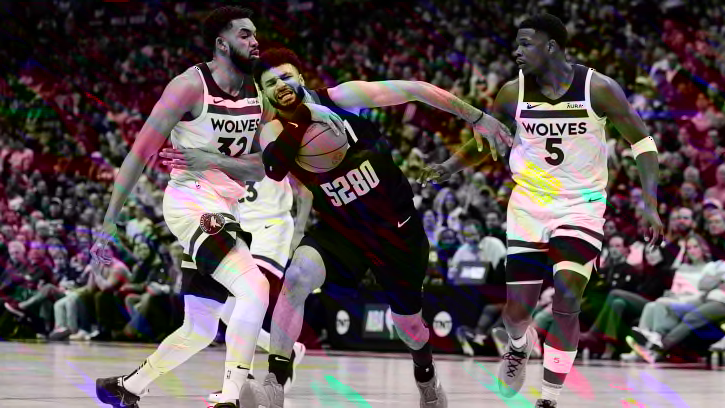
Nuggets' Jamal Murray fined $100k for antics against Timberwolves
Murray threw a towel and heat pad on the court in the Nuggets 106-80 loss Monday night
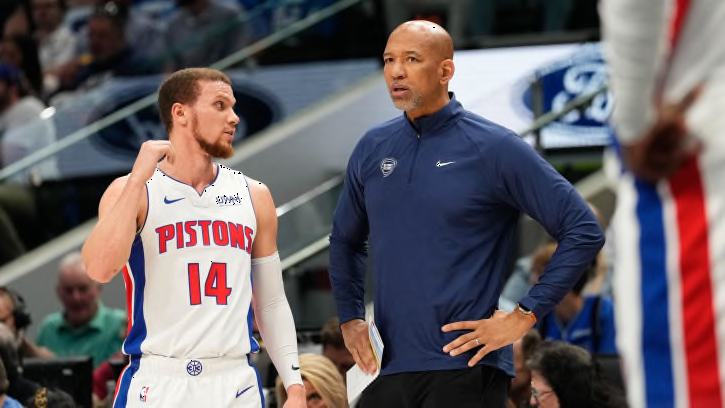
NBA Insider Suggests Detroit Pistons Coaching Swap With LA Lakers
Brian Windhorst has thought about a Pistons coaching change.
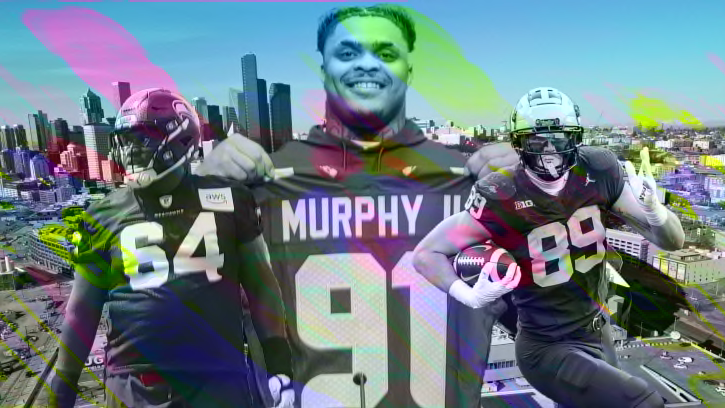
Best/Worst Case Scenarios For Every 2024 Seattle Seahawks Draft Pick
As Byron Murphy II and the rest of the Seahawks rookie class brace for their first OTAs alongside returning veterans, what are realistic expectations for all eight players heading into their first season?
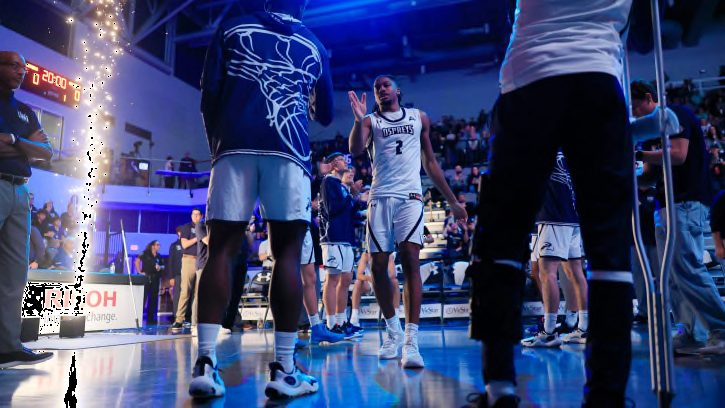
Will the Kentucky Wildcats land Chaz Lanier?
The Kentucky Wildcats are after an elite scorer.
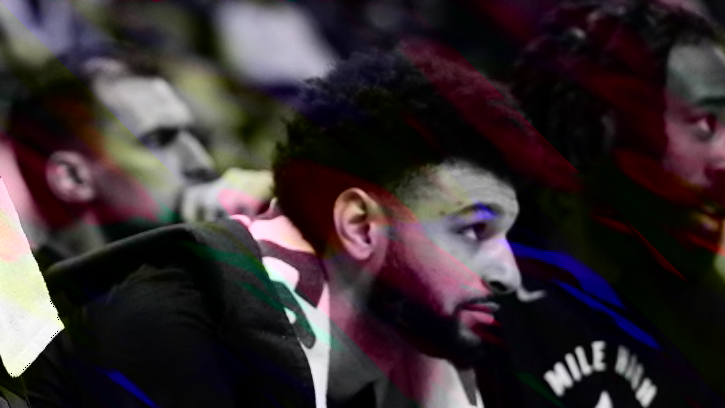
NBA Announces Controversial Discipline for Jamal Murray
The NBA made an announcement
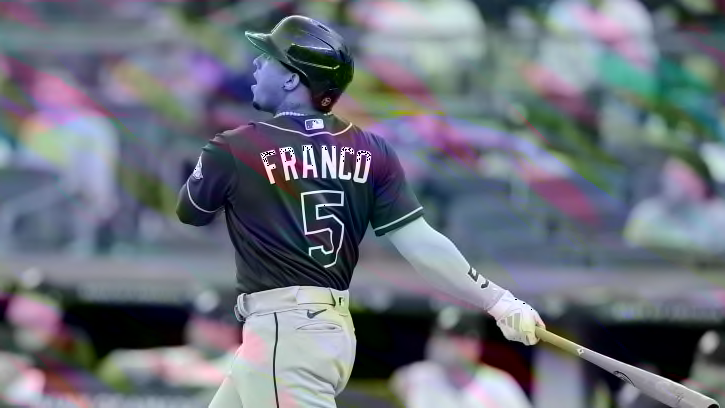
Tampa Bay Rays' Standout Wander Franco to Be Formally Accused of Serious Charge in Dominican Republic
Wander Franco, who is on administrative leave from Major League Baseball, is set to be charged formally with sexually exploiting a minor in the Dominican Republic. There's no telling what this means legally for Franco, but it is another complication for his baseball career, which is up in the air.
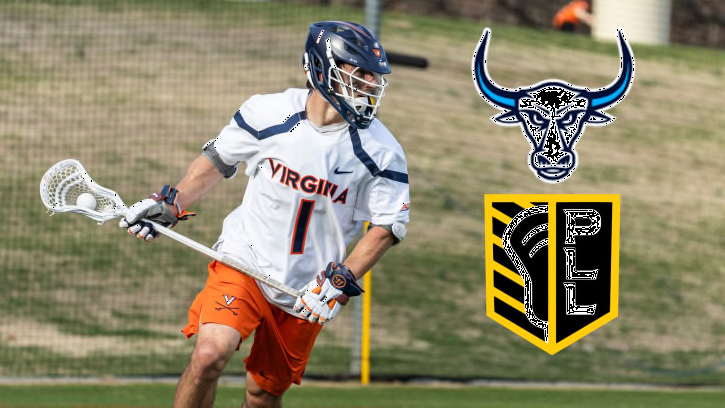
Virginia's Connor Shellenberger Picked No. 2 Overall by Atlas in PLL Draft
UVA men's lacrosse attackman Connor Shellenberger was selected by the New York Atlas with the No. 2 overall pick in the first round of the 2024 Premier Lacrosse League College Draft.
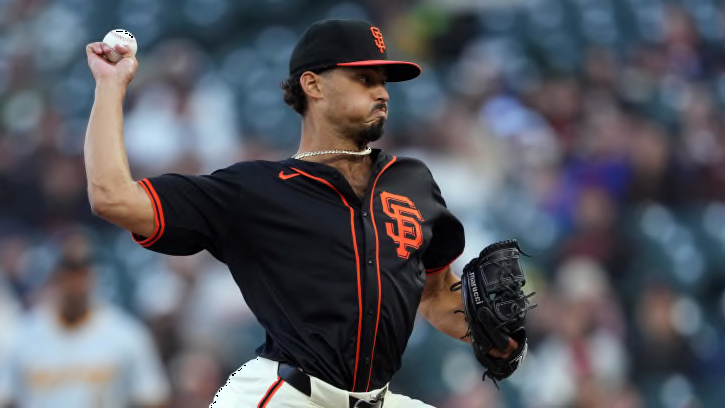
Unconventional Approach Led to Breakout Season for San Francisco Giants' Pitcher
The San Francisco Giants breakout pitcher had an unconventional approach to becoming a starter.
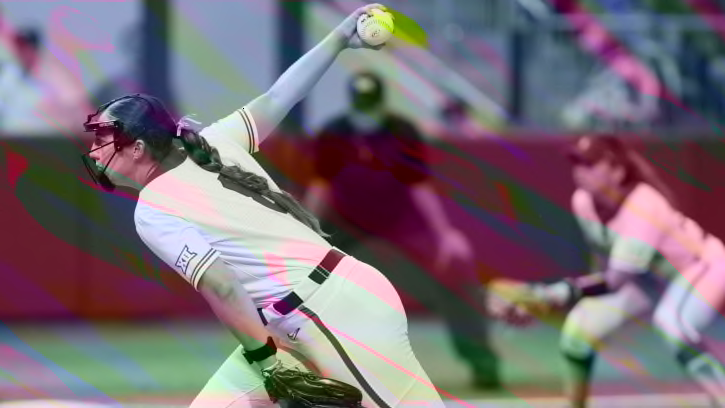
OU Softball: Oklahoma P Karlie Keeney 'Shined' Pitching With 'Nothing to Lose' Mentality
Oklahoma coach Patty Gasso was thrilled with how Karlie Keeney performed in Bedlam, giving the Sooners "great options" as OU heads into this weekend's Big 12 Tournament.
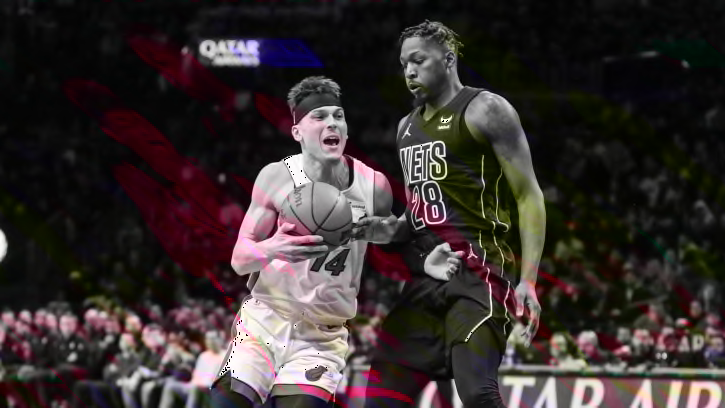
NBA Trade Rumors: Should Brooklyn Nets Target Heat's Tyler Herro?
Would the 24-year-old Heat guard make sense in Brooklyn?
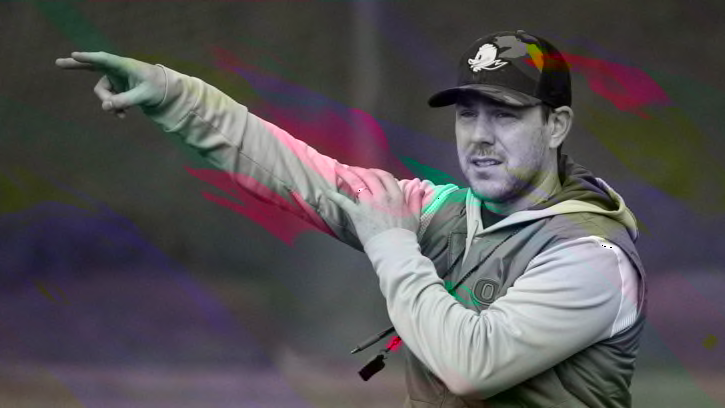
Oregon Football Coaches Fly South as Summer Recruiting Heats Up
Oregon Ducks football coaches have been busy on the recruiting trail, especially in the south. The Ducks are entering their inaugural season in the Big Ten conference.
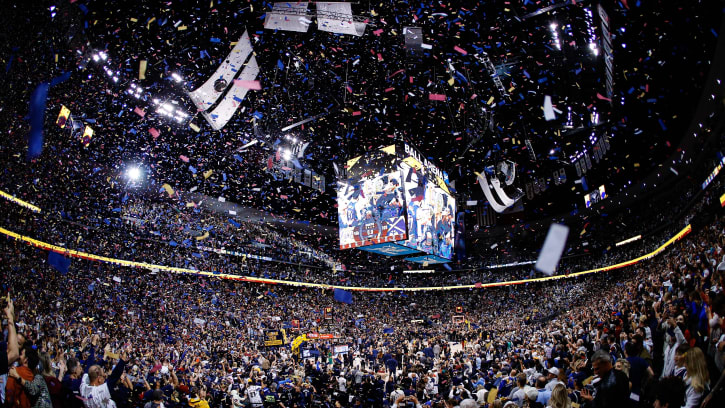
Hall-of-Fame NBA Coach Trolls Lakers With Viral Message
Hall-of-Fame coach George Karl shared this post
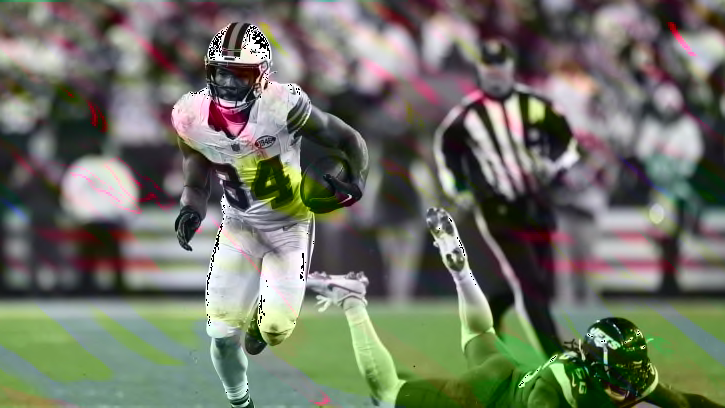
Kevin Stefanski Confident In This Browns RB While Team Waits For Nick Chubb
As Nick Chubb works his way back from multiple knee surgeries, the Browns spent of the offseason bolstering their running back room.
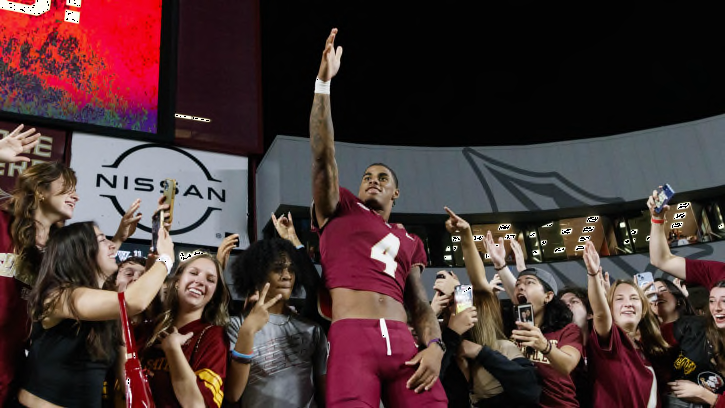
Fresh Coat of Paint: WR Keon Coleman replaces Stefon Diggs on downtown Buffalo mural
The rookie wide receiver's impact on Buffalo Bills fans has already manifested in the form of art.
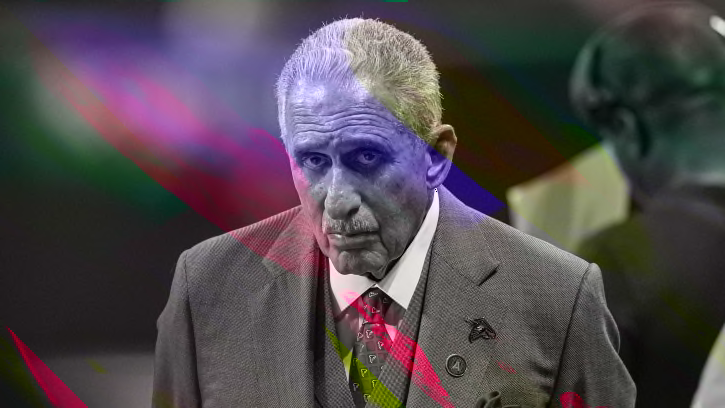
Atlanta Falcons Owner Arthur Blank ‘Very Supportive’ of Kirk Cousins, Michael Penix Jr.
Amidst an offseason filled with quarterback moves, Atlanta Falcons owner Arthur Blank stands behind general manager Terry Fontenot and head coach Raheem Morris.
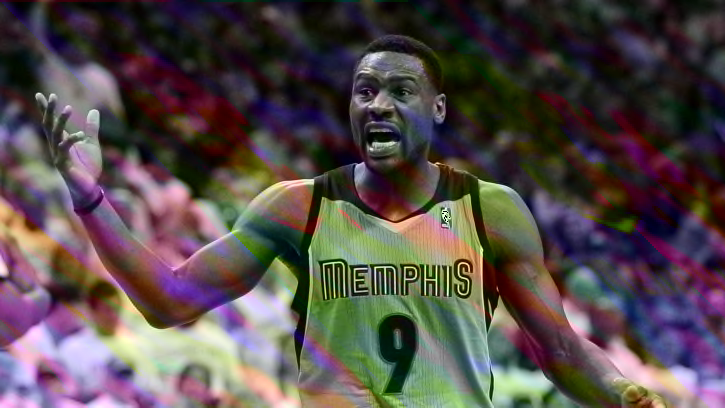
Former OSU Star Tony Allen to Get Jersey Retired by Memphis Grizzlies
The leader of the Cowboys' last Final Four team will see his jersey in the rafters in Memphis soon.
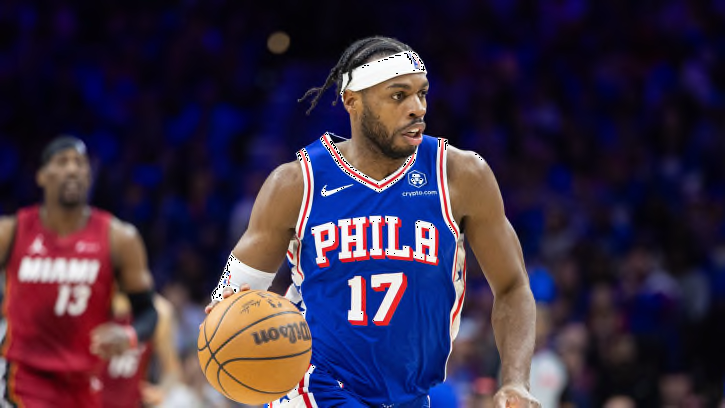
Daryl Morey Makes Honest Statement on Buddy Hield’s Sixers Tenure
Daryl Morey discussed Buddy Hield's time with the Philadelphia 76ers.
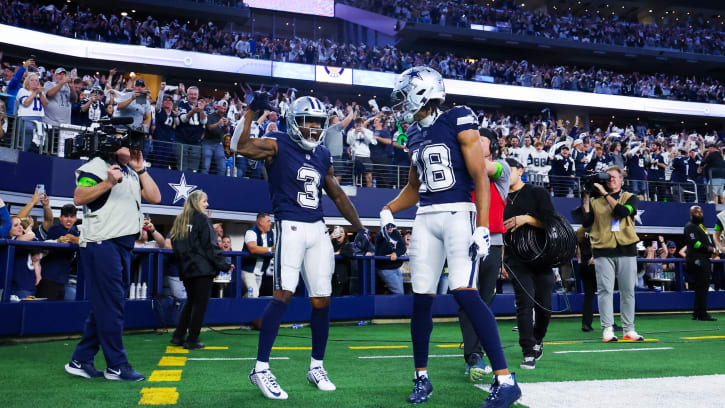
Cowboys depth chart 2024: Wide receivers heading into OTAs
The Cowboys OTAs start May 21-23, then again May 29-31 and minicamp is June 4-6. The Cowboys have four wide receivers who have solidified their role with the team while the others will have to prove their worth.
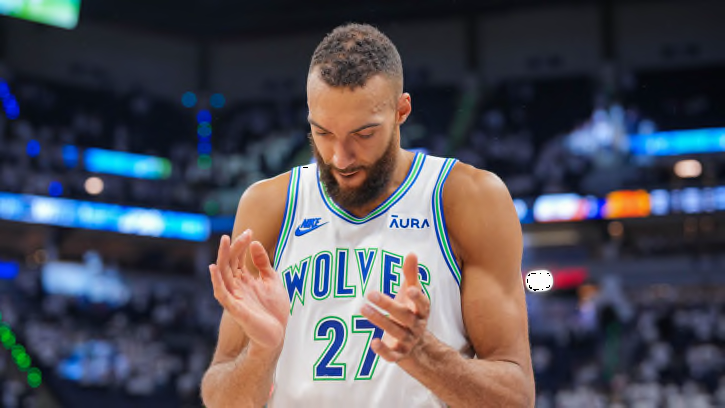
Former NBA Star Makes Ridiculous Rudy Gobert Statement
This is one of the worst takes ever.