
Welcome to FanNation, Part of the Sports Illustrated Media Group
Find and follow your favorite team here. Get the latest news and updates about the team you care most about.
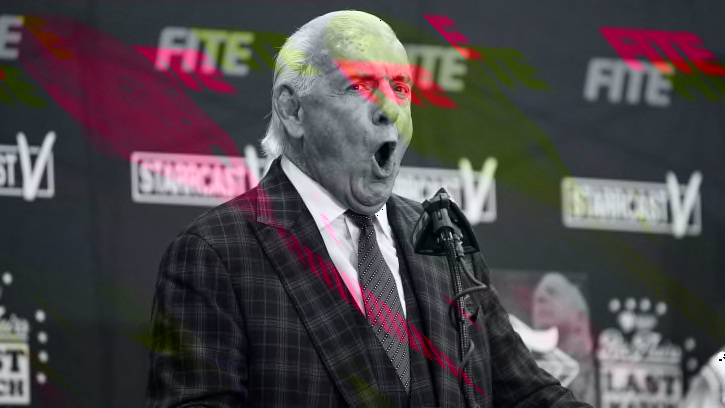
WWE Legend Set to Announce Buccaneers' Third Round NFL Draft Pick
The Nature Boy himself is set to announce one of Tampa Bay's draft picks.
Recent Articles
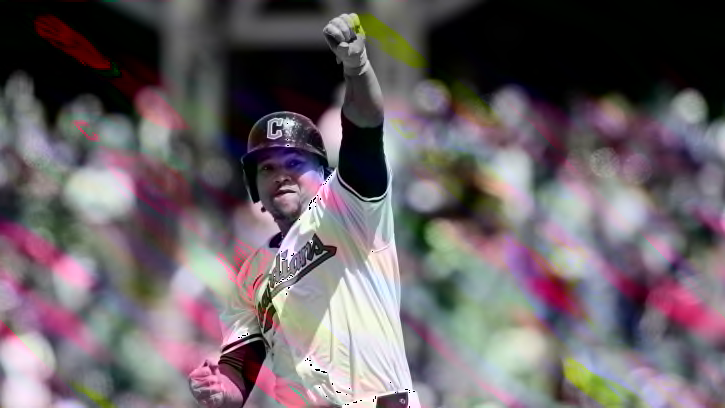
José Ramírez’s Big Day Lifts Guardians To Series Win Over Red Sox
The five-time MLB All-Star recorded season-highs of four RBI and three hits in Cleveland’s 6-4 victory over Boston on Thursday afternoon.
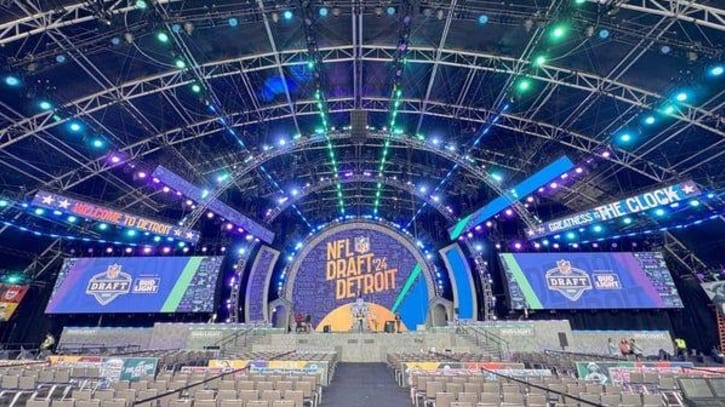
Live Updates: Green Bay Packers 2024 NFL Draft
The 2024 NFL Draft is finally here. The Green Bay Packers are scheduled to pick 25th in the first round tonight. Keep up to date with the latest from Lambeau Field.
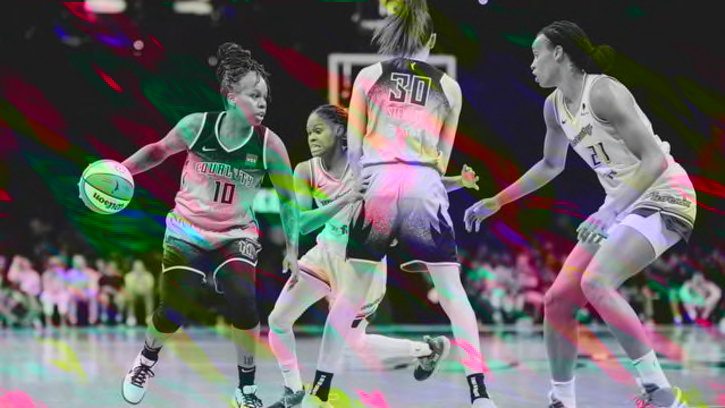
Former Liberty Star Epiphanny Prince Takes Front Office Role
Epiphanny Prince is returning to the New York Liberty in an administrative role after ending her playing career earlier this week.
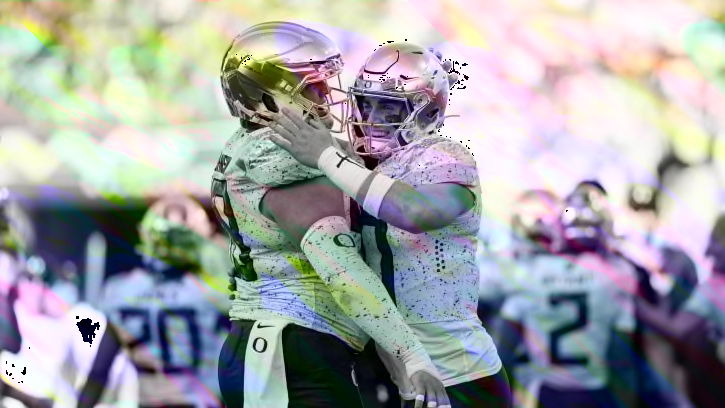
Oregon Football NFL Draft: First-Round Record Looms?
The Oregon Ducks football team has has a player drafted in the first round of the NFL Draft for four-years straight.
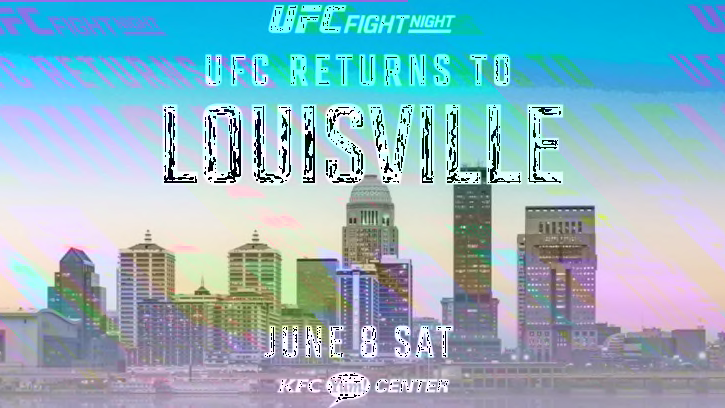
UFC Louisville: Top Middleweights Booked for UFC Fight Night Main Event
UFC Louisville will be headlined by a huge middleweight bout with serious title implications.
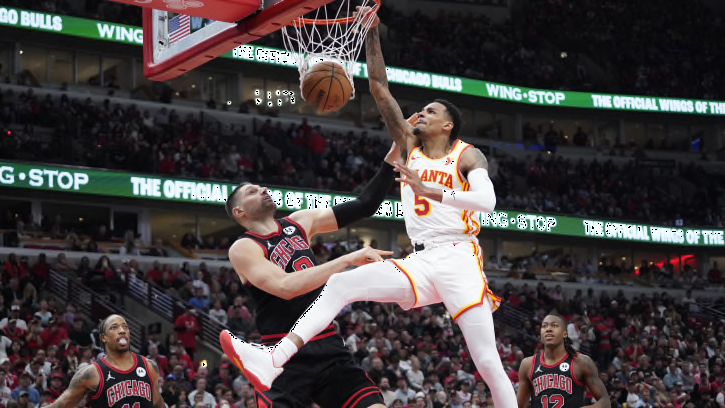
Who Are The Top Teams Who Could Pursue Dejounte Murray this offseason?
The Atlanta Hawks could potentially look a lot different when they start their new season in October. After missing the playoffs for the first time since 2020,
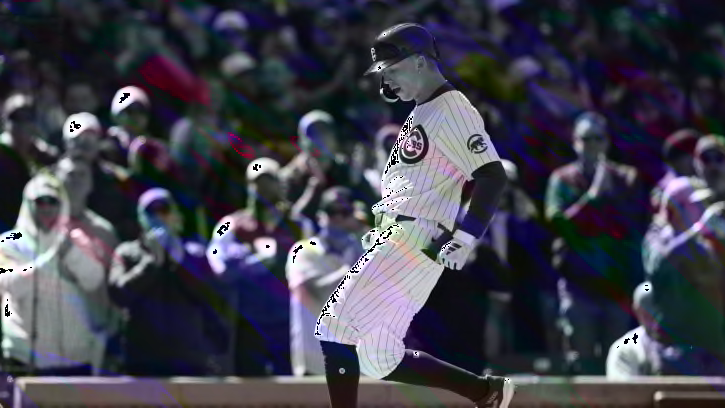
Chicago Cubs' Top Prospect Makes Rare Team History with First Career Home Run
The Chicago Cubs swept the Houston Astros by finishing out the series with a win on Thursday. In the win, Cubs' rookie Pete Crow-Armstrong hit his first Major League home run, which joined some rare company in franchise history.
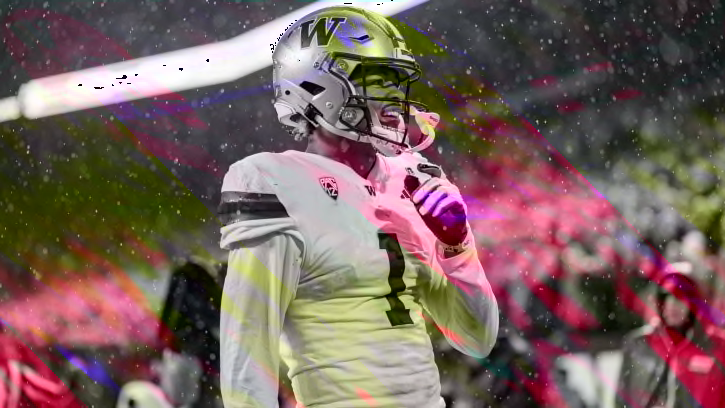
Prominent Analyst Has New York Jets Landing Dream Prospect in NFL Draft
If this scenario unfolds for the New York Jets, there would be a lot of happy fans.
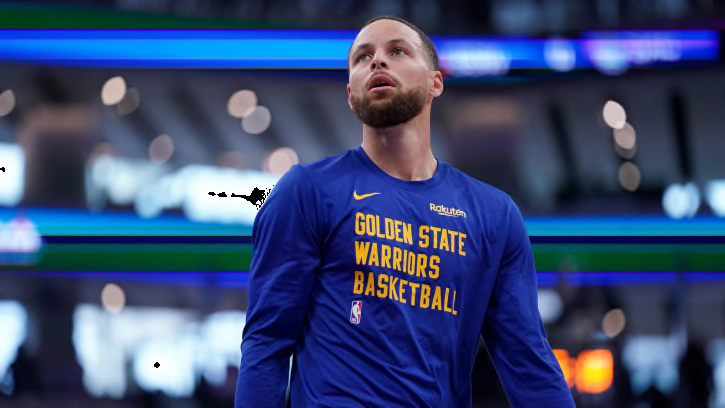
NBA Makes Major Steph Curry Announcement
Golden State Warriors star Steph Curry has won Clutch Player of the Year
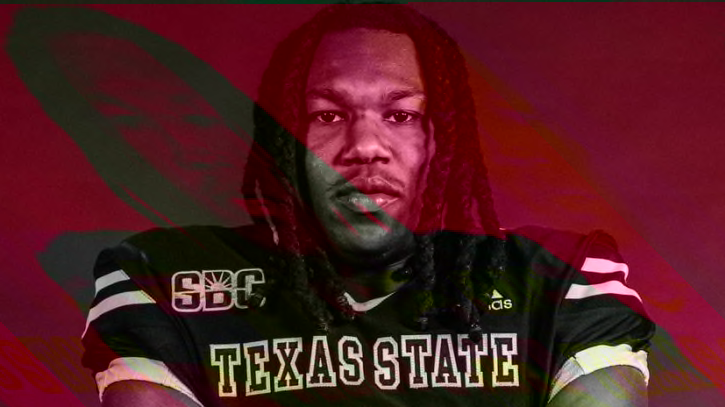
Texas State Transfer LB Dan Foster Jr. Commits to Louisville
Foster is the second transfer commitment for the Cardinals during the spring portal window.
Unlucky Title Challenger Dominick Reyes Books UFC Return after Losing Skid and Health Scare
Reyes battles a former GLORY Kickboxer at UFC Louisville.
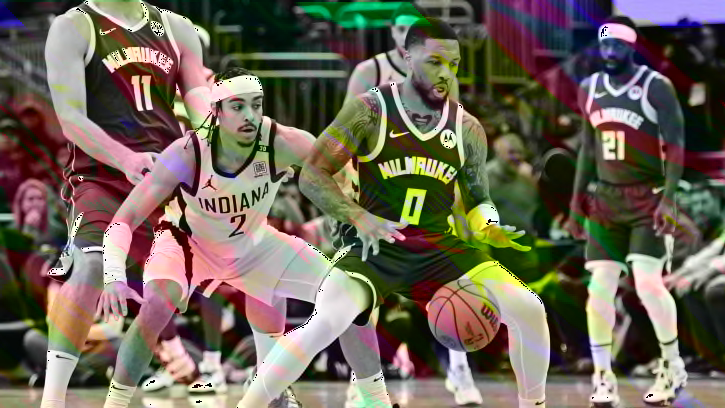
Andrew Nembhard looks to slow down Damian Lillard
Former Gonzaga guard hasn’t backed down from Milwaukee’s All-NBA talent through two playoff games
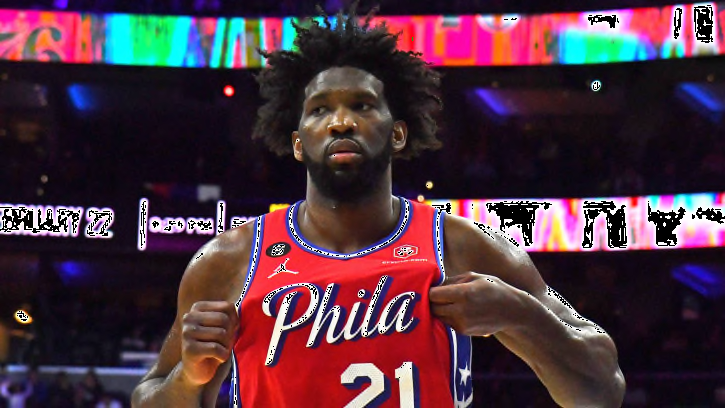
Joel Embiid, Sixers’ Final Injury Report Status for Game 3 vs. Knicks
Will Joel Embiid and De'Anthony Melton face the Knicks for Game 3?
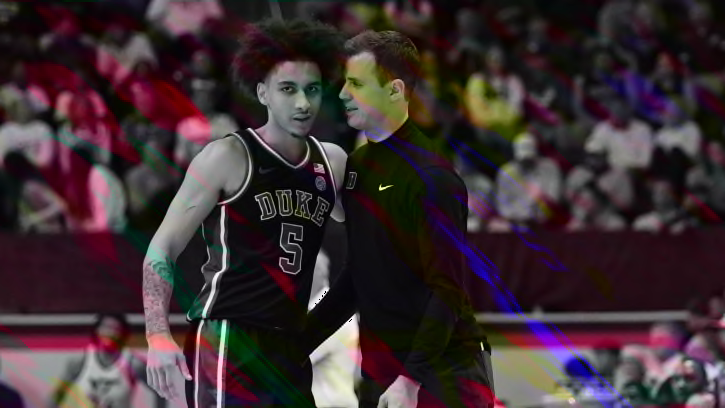
Duke Basketball: More Intel on Scheduled Matchup With Fellow Blueblood
Duke basketball’s battle with Kansas next season seems to be part of a larger event in the works.
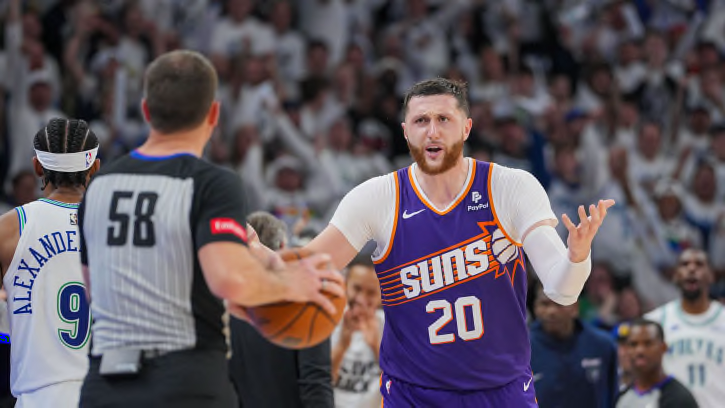
Reasons for Optimism Still Around for Suns
The Phoenix Suns can still win this series - here's why.
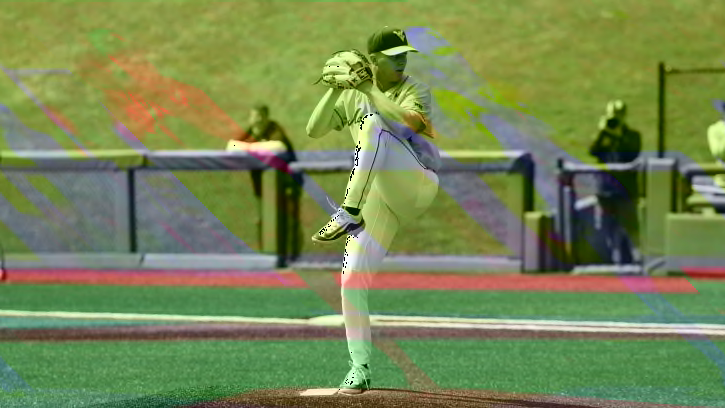
West Virginia Set to Square off Against Baylor at Kendrick Family Ballpark
The Mountaineers starting rotation will have a new look versus the Bears.
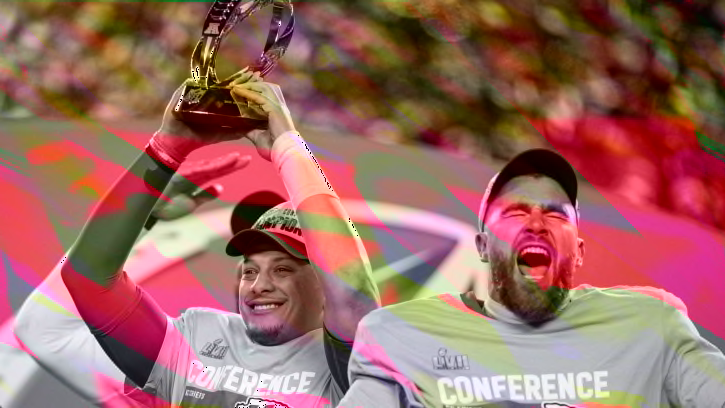
Kansas City Chiefs Looking to Trade Up From 32nd Overall
After winning the Super Bowl, coud the Kansas City Chiefs make a move up the NFL Draft board?
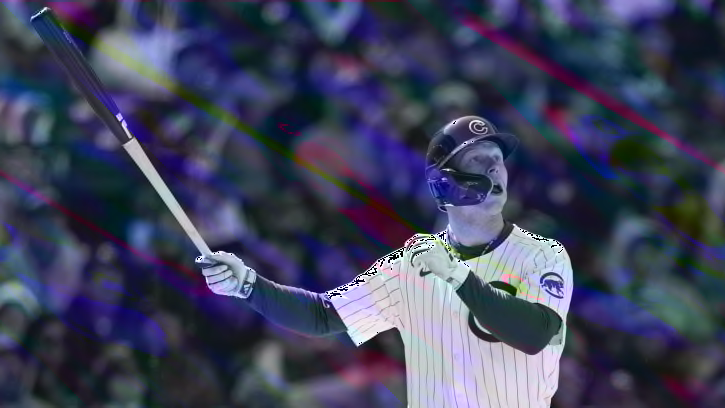
Chicago Cubs Top Prospect Did Something He Didn't Do During First Call Up
The Chicago Cubs earned a massive sweep on Thursday and it came because one of their top prospects did something he didn't do during his first tenure in the bigs.
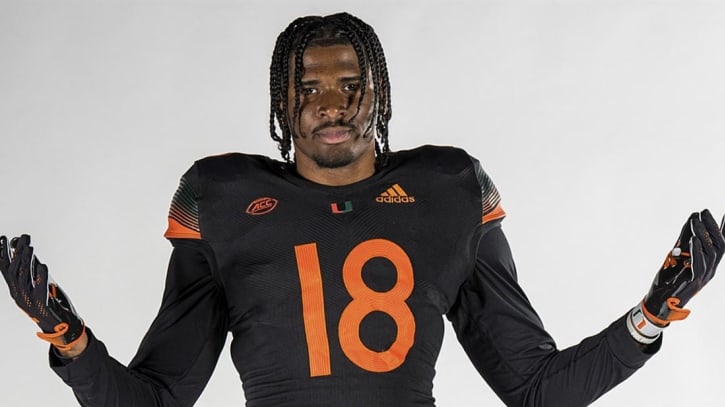
Jayden Wayne Comes Home from Miami, Schedules Weekend UW Visit
The edge rusher from Tacoma played in eight games as a freshman for the Hurricanes.
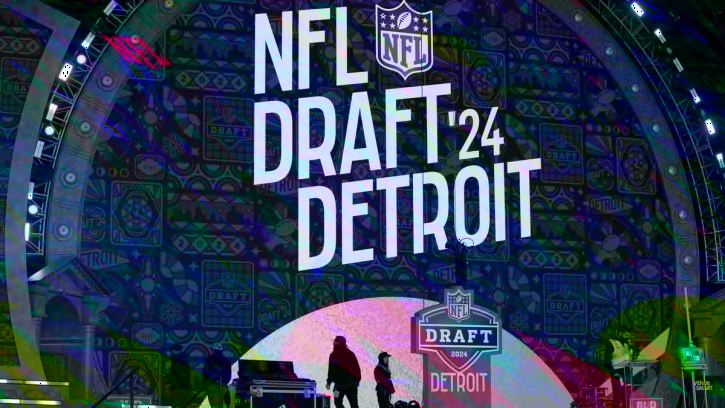
Complete list of Dallas' NFL Draft selections. When Do The Dallas Cowboys Pick In The 2024 NFL Draft.
The Dallas Cowboys enter the 2024 NFL Draft with 7 selections over the three-day draft. Cowboys fans can keep track of when and who the Cowboys pick right here.
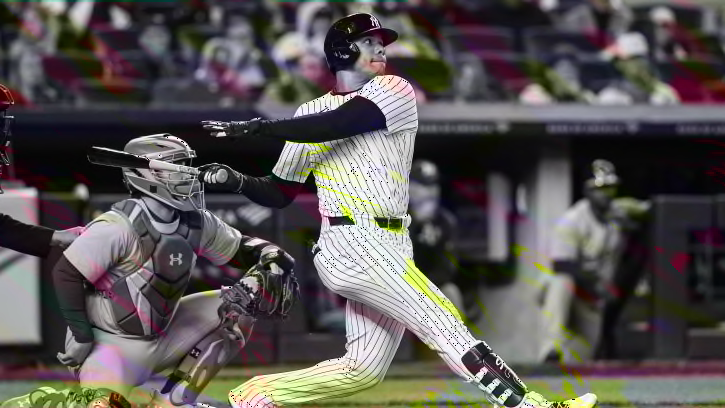
New York Yankees Superstar Has Been Better Than Advertised
The New York Yankees newest superstar has been as good as advertised this season.
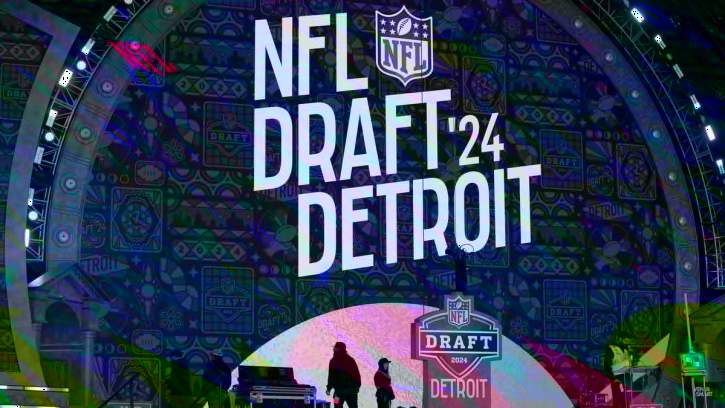
Vikings Day 1 NFL Draft Live Blog: Updates on the First Round
Follow along as the first round of the NFL draft unfolds on Thursday evening.
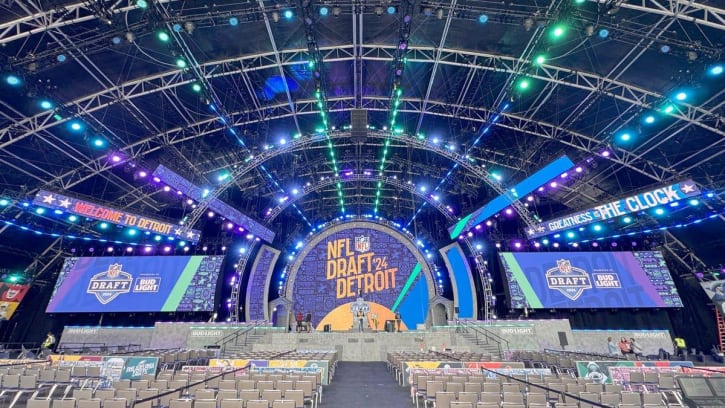
Predicting What the 49ers Will do in Round 1 of the NFL Draft
There are plenty of scenarios that can play out for the 49ers the first round of the NFL draft. Here is the one scenario I believe will occur tonight.
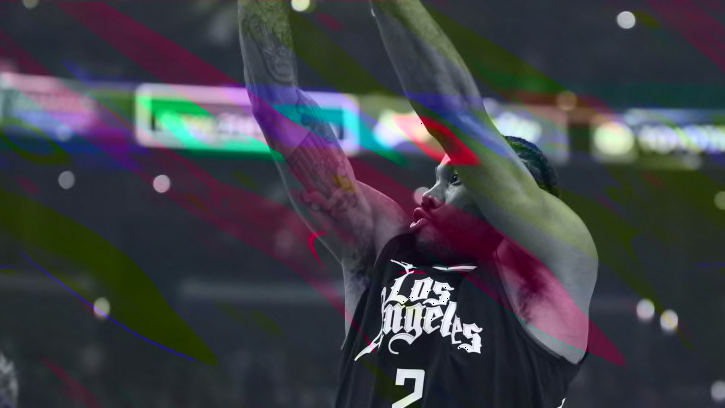
Ty Lue Gives Kawhi Leonard Injury Update Before Clippers vs. Mavericks Game 3
LA Clippers star Kawhi Leonard is reportedly feeling good