
Welcome to FanNation, Part of the Sports Illustrated Media Group
Find and follow your favorite team here. Get the latest news and updates about the team you care most about.
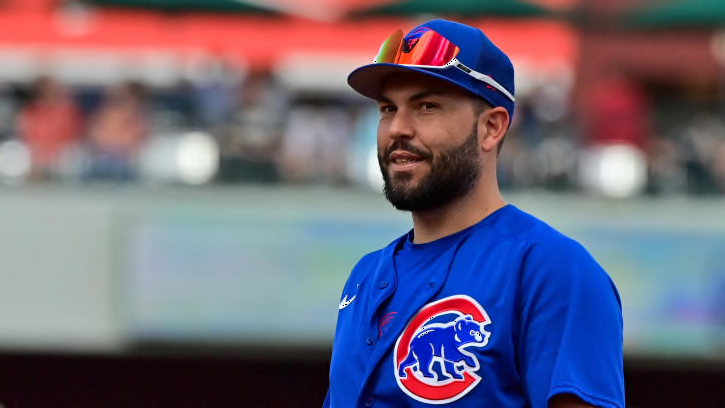
Retired Chicago Cubs Slugger Wants His Podcast To Be Like 'Pat McAfee Show'
As one of the Chicago Cubs former sluggers transitions into the next phase of his career, he has his eyes set on another successful show for what he wants his new podcast to become.
Recent Articles
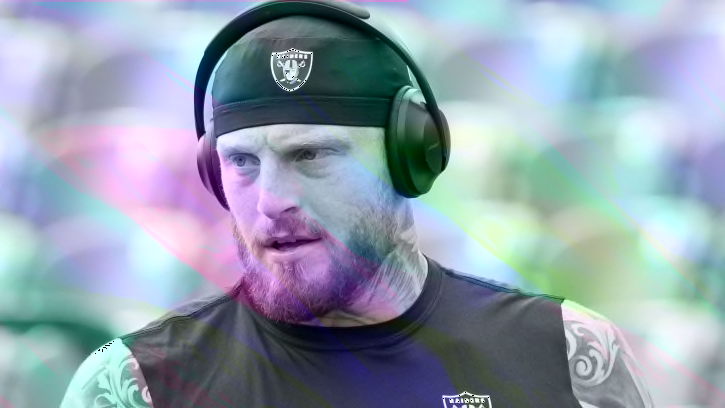
For Raiders' Maxx Crosby, Mental Preparation is Just as Critical as Physical
The Las Vegas Raiders have one of the best defensive ends in the league, Maxx Crosby, who constantly works to stay physically prepared to play at a high level. Crosby believes the mental aspect of football is just as important as the physical.
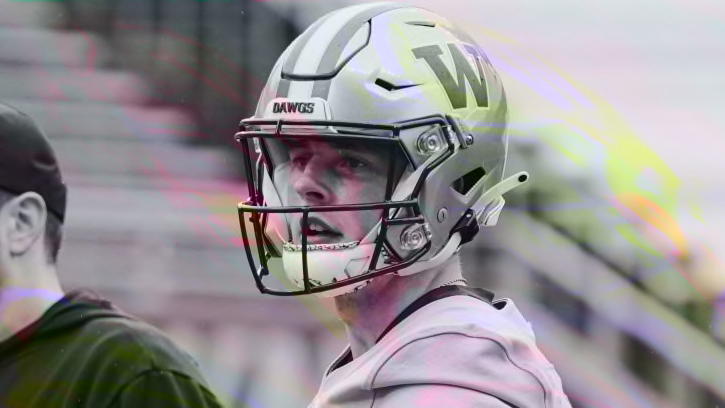
Pair of Husky Walk-Ons Enter Transfer Portal
Camdyn Stiegeler and Habib Bello have left the UW program.
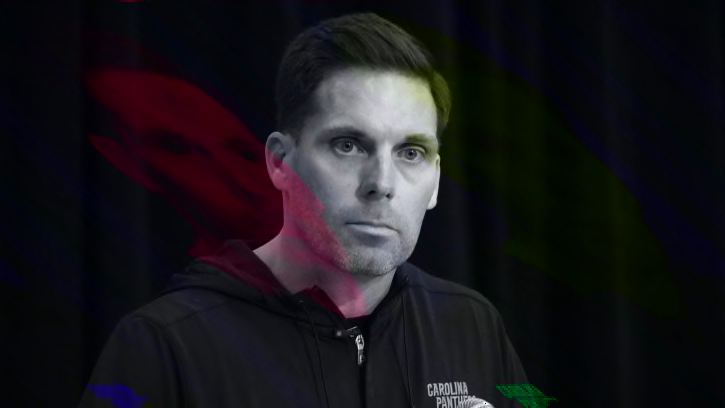
Four Pre-Draft Questions for the Panthers
Sparking some pre-draft discussion around the Carolina Panthers.

OSU Softball: Where Are the Cowgirls in the Rankings?
After dropping the series to Iowa State this past weekend, where do the Cowgirls sit in the national rankings.
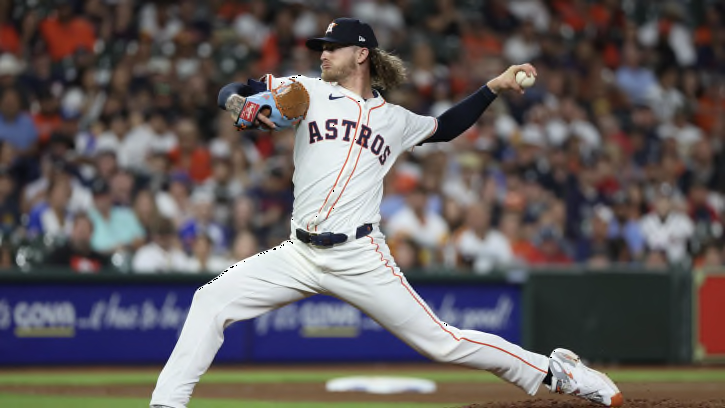
Is It Time to Start Worrying About Josh Hader?
The Houston Astros might have an expensive issue on their hands.
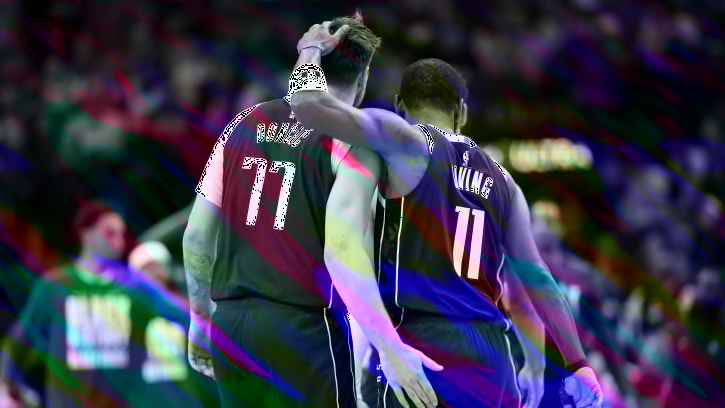
Luka Doncic's Honest Statement Before Clippers vs. Mavericks
The LA Clippers and Dallas Mavericks have their rematch set
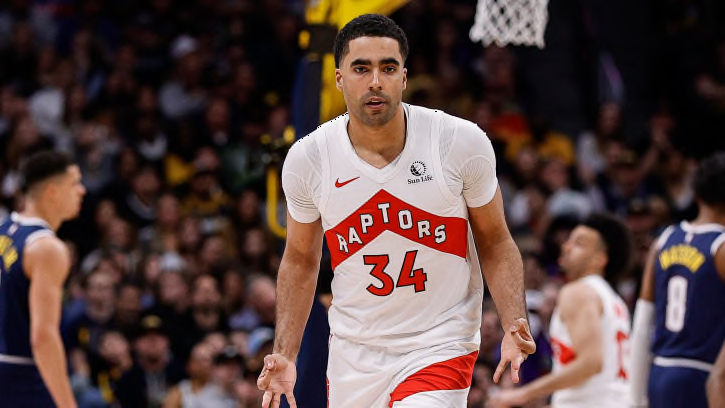
Jontay Porter Bet 'Millions' Prior to Raptors Career, per Report
Toronto Raptors center Jontay Porter reportedly spent millions with sportsbooks prior to signing with the organization this past year

UFC 303 News: Michael Chandler Wants New UFC Title for Conor McGregor Fight
"Iron" wants to raise the stakes for one of the biggest fights of the year,
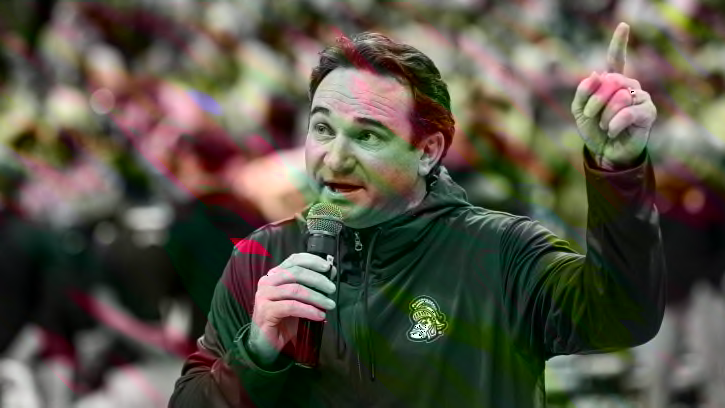
Michigan State Coach Jonathan Smith Gives Update on 'Spring Showcase'
Michigan State football will host its "Spring Showcase" on Saturday.
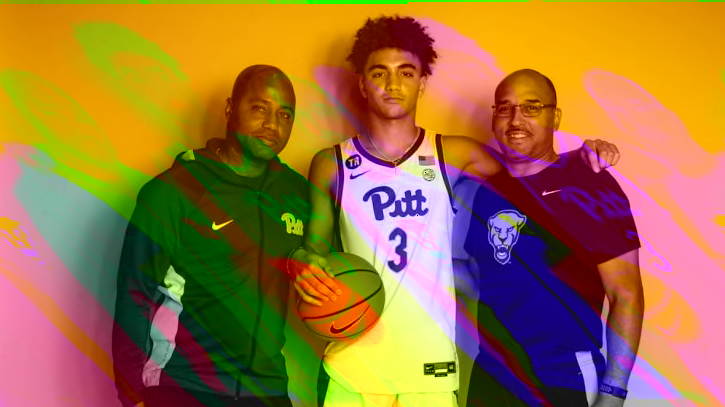
Why Derek Dixon Would Fit at Pitt
Derek Dixon took his official visit for the Pitt Panthers this weekend and here's why he'd be a good fit for Pitt.

Mississippi State Women's Golf Captures Programs First SEC Championship
For the first time in school history, The Bulldogs have won the SEC tournament for women's golf.
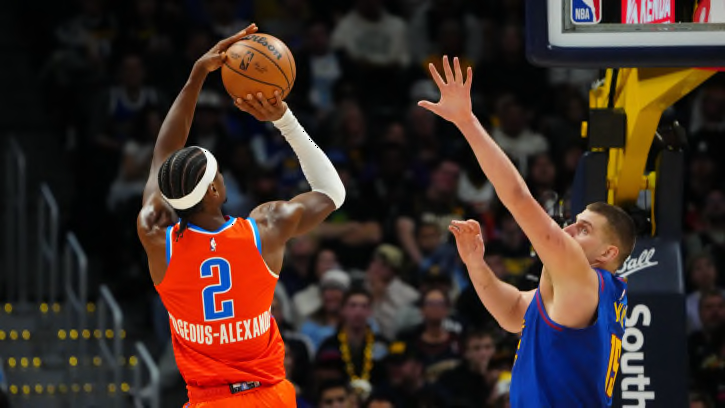
NBA MVP Voter Reveals Controversial Decision
Kendrick Perkins did not vote Nikola Jokic for MVP
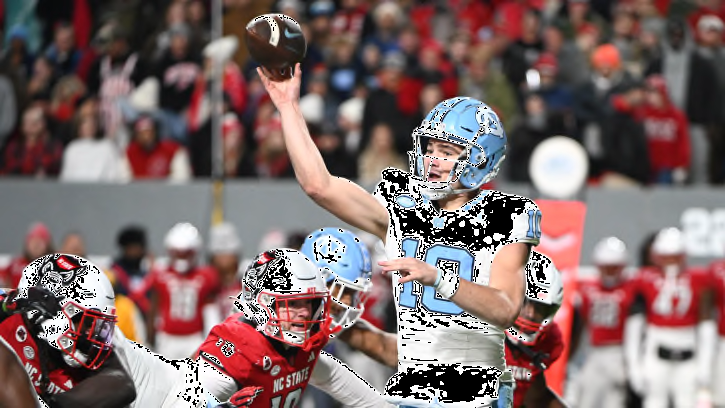
New York Giants Draft Preview: QB Drake Maye
Nick examines quarterback Drake Maye, who has often been linked to the Giants in mock drafts.

Would the Atlanta Hawks Be Better Off In The Long Term Losing In The Play-In Rather Than Making The Playoffs?
Tomorrow will be do or die for the Atlanta Hawks this season. Atlanta will travel up to Chicago to face the Bulls in the NBA play-in tournament and with a win,
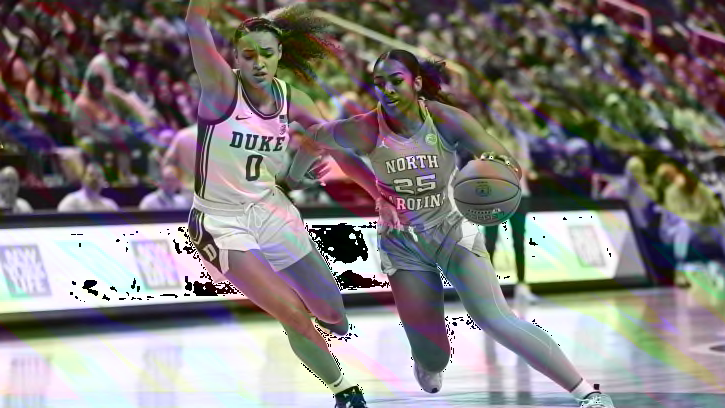
Kim Mulkey, LSU In Contact With High-Profile North Carolina Transfer Deja Kelly
The 3x First-Team All-ACC selection is a free agent with several programs pushing to land her services, including the Tigers.
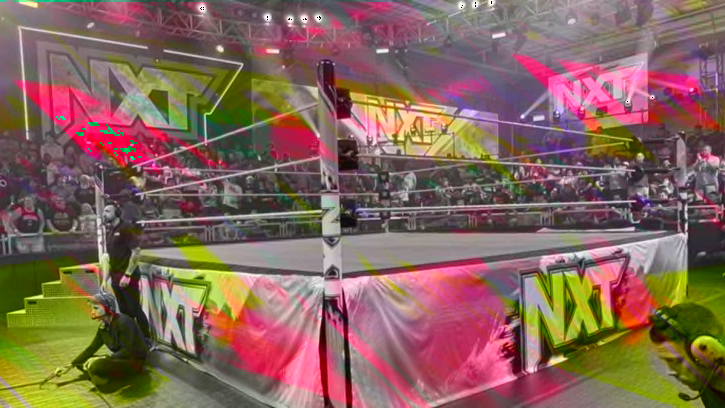
WWE News: Major Superstar Reportedly Set for WWE NXT In-Ring Debut This Summer
A massive international name is reportedly making an in-ring WWE debut this summer.

NBA All-Star Wants to Play for Team USA Basketball
There's one spot left for Team USA.

Injury Report: Golden State Warriors vs Sacramento Kings Play-In
Both teams have important names listed.

Notre Dame Punter Bryce McFerson Enters The Transfer Portal
Notre Dame junior punter Bryce McFerson has entered the transfer portal
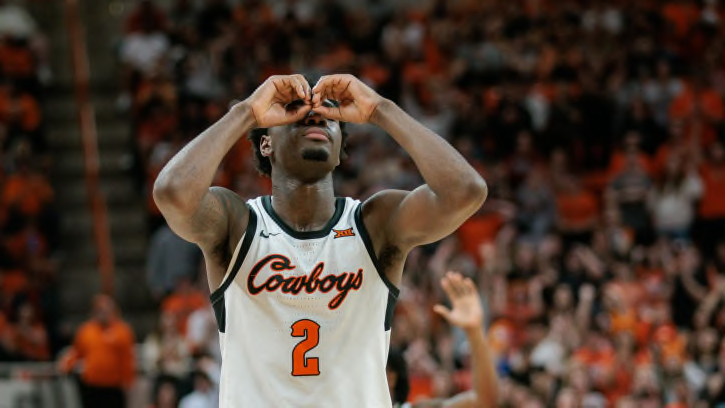
UCLA Lands Oklahoma State Star Transfer Eric Dailey Jr.
The former Cowboy is heading West for a new opportunity at UCLA.

Red Sox Could Look To Former All-Star If Nick Pivetta Doesn't Return Soon
Boston should at least consider adding a little more veteran depth due to injuries
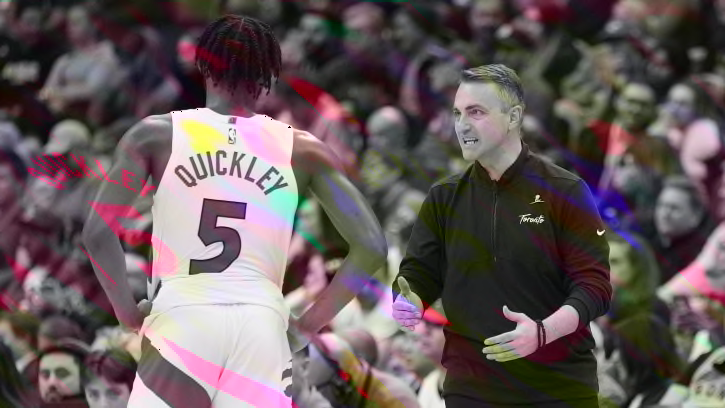
Raptors Coach Shares Team's Biggest Needs Ahead of Offseason
The Toronto Raptors want to add more size, skill, and a backup point guard this summer through the draft and in free agency
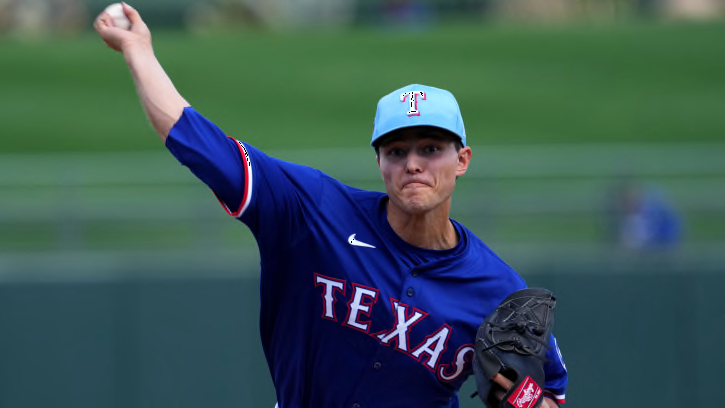
Texas Rangers Calling Up Top Pitching Prospect Jack Leiter to Make MLB Debut on Thursday
Jack Leiter, who was the No. 2 overall pick in the 2021 MLB Draft, will take the mound when the Texas Rangers face the Detroit Tigers later this week.
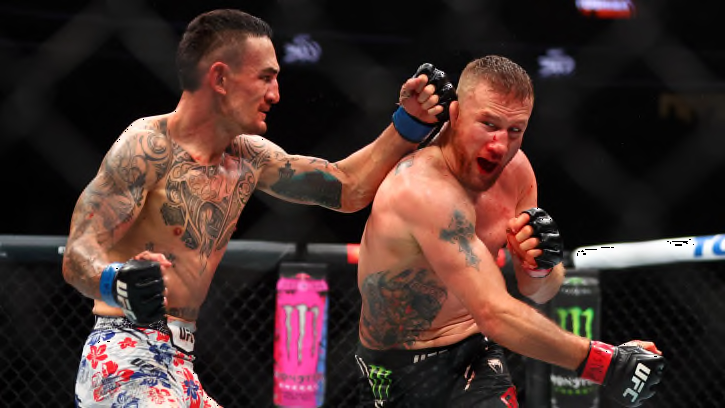
UFC Rankings Update: Max Holloway Falls Far Behind Justin Gaethje Despite UFC 300 KO
Holloway's new spot at lightweight may come as a surprise.