
Welcome to FanNation, Part of the Sports Illustrated Media Group
Find and follow your favorite team here. Get the latest news and updates about the team you care most about.

Jose Aldo Expects ‘Great Things’ from Conor McGregor at UFC 303: ‘Be the Conor of Old'
Aldo weighs in on McGregor's return fight against Michael Chandler.
Recent Articles
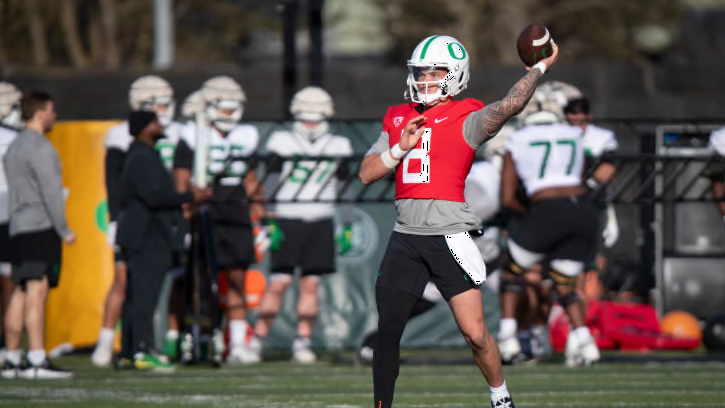
Dillon Gabriel vs. Dante Moore: Rosters Set For Oregon Spring Football Game
The rosters are set for 'green team' vs. 'white team' for the Oregon football spring game on Saturday, April 27th.
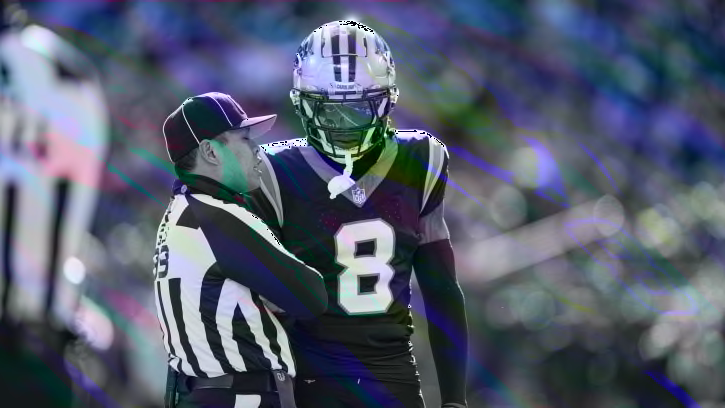
Panthers Pick Up Fifth-Year Option on CB Jaycee Horn
Carolina commits to their former first-round pick for another season.
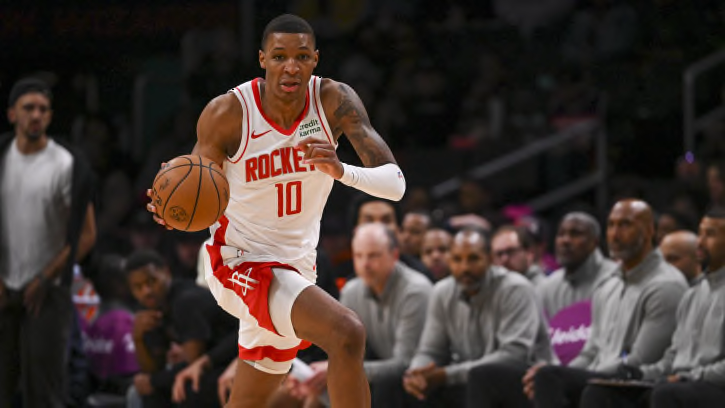
Rockets' Jabari Smith Jr. Tweets Approval for Falcons' Selection of Michael Penix Jr.
Despite the Falcons' questionable decision during the 2024 NFL Draft, Houston Rockets' Jabari Smith Jr. tweeted his approval for quarterback Michael Penix Jr.
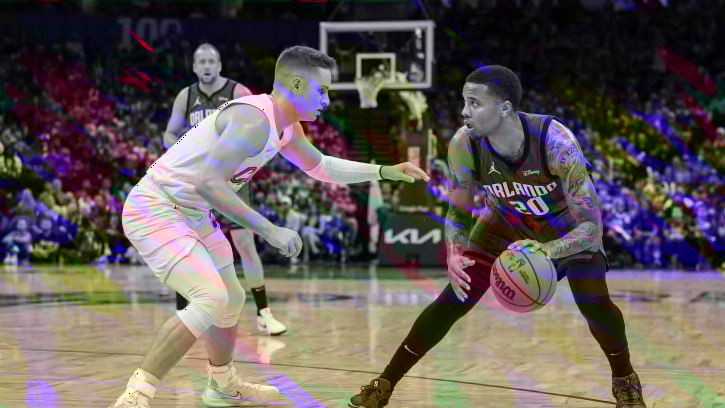
Magic Reveal Game 4 Plan vs. Cavaliers
The Orlando Magic hope to tie the series against the Cleveland Cavaliers in Game 4 of the 2024 NBA Playoffs.
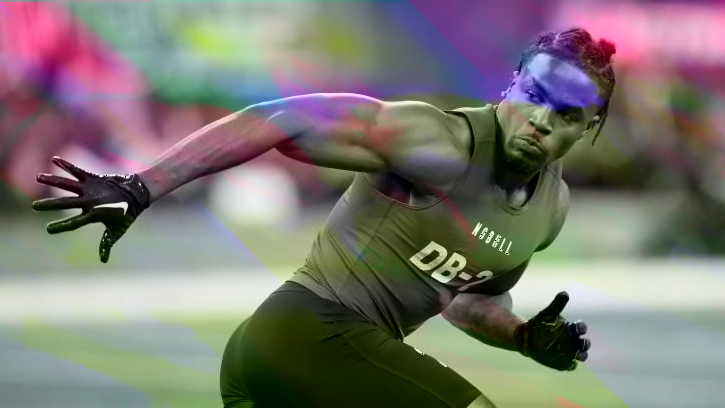
2024 NFL Draft: Who Do Jaguars Land in Day 2 Mock?
Who do we have the Jaguars landing at No. 48 and No, 96?
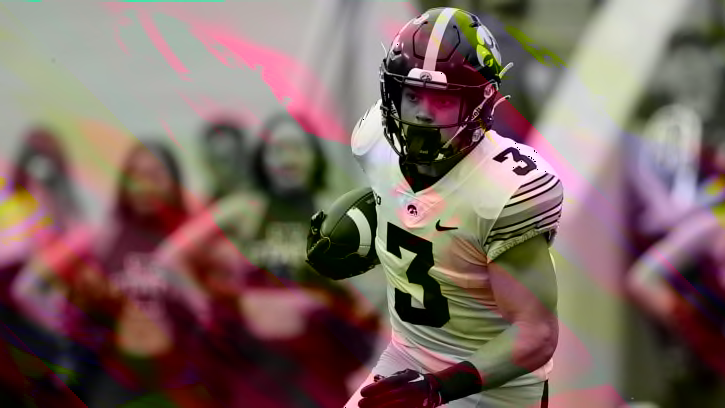
Seattle Seahawks 2024 NFL Draft: Best Players Available Entering Round 2
Without a second-round pick, the Seahawks will likely have to wait a while before selecting a player on day two, but trading back into day two for a second pick shouldn't be ruled out given the talent still available on the board.
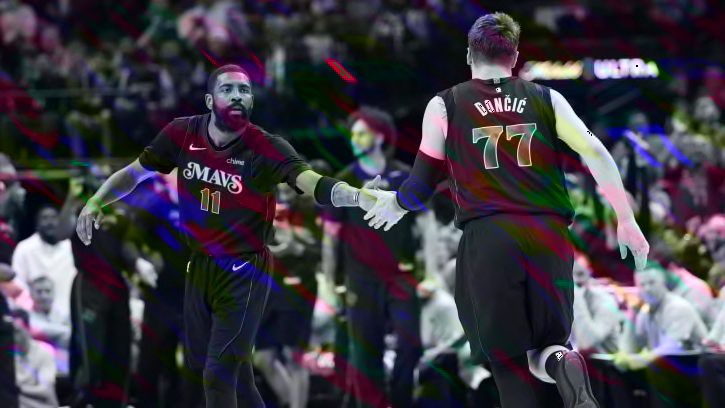
Dallas Mavericks' Luka Doncic, Kyrie Irving Step Up Defense Against Clippers
Luka Doncic and Kyrie Irving lead Dallas Mavericks to a crucial Game 2 victory over LA Clippers by embracing defensive roles.
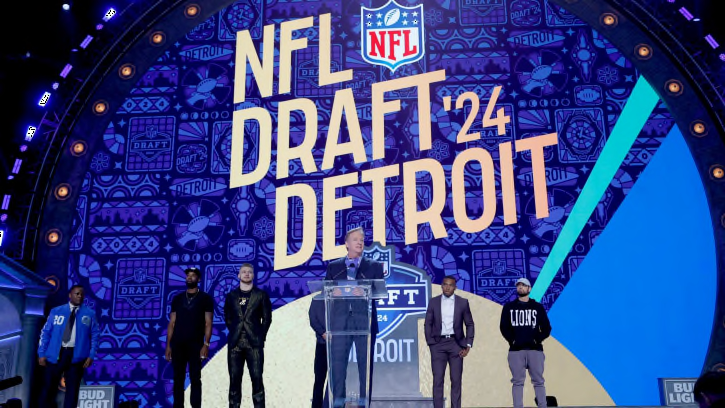
Amon-Ra St. Brown: I've 'Never' Seen That Many People in My Life
Amon-Ra St. Brown details experience on the draft stage in Detroit.
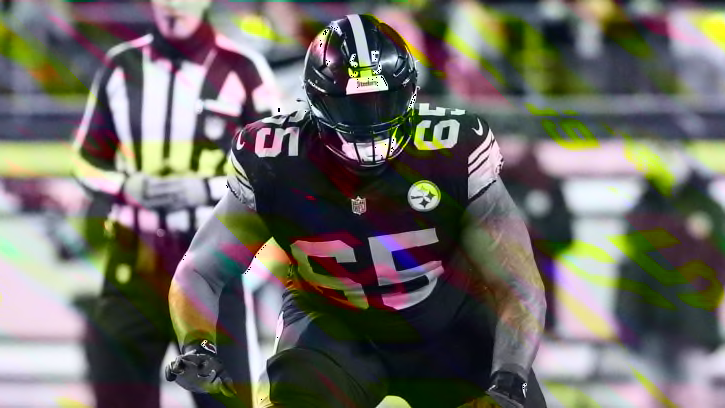
Door Now Open for Steelers to Trade Dan Moore
The Pittsburgh Steelers could find a trade partner after their first-round pick.
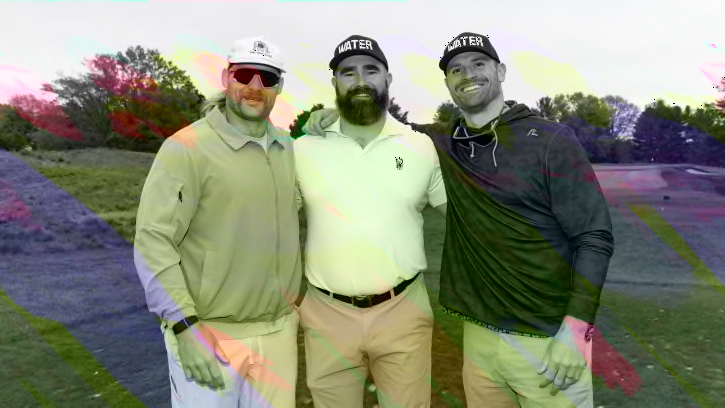
Chris Long Brings NFL Stars to Charlottesville for Waterboys Charity Challenge
Former UVA football star Chris Long hosted the third annual Waterboys Charity Challenge at Birdwood Golf Course in Charlottesville.
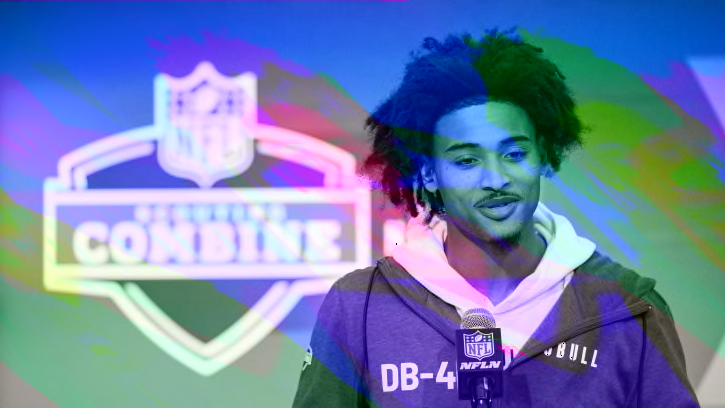
Ravens Top Pick 'Couldn't Be More Happy'
Baltimore Ravens cornerback Nate Wiggins is excited after being drafted No. 30 overall in the 2024 NFL Draft.
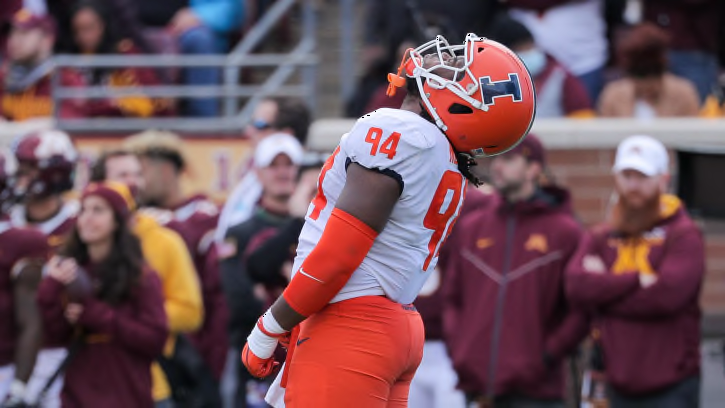
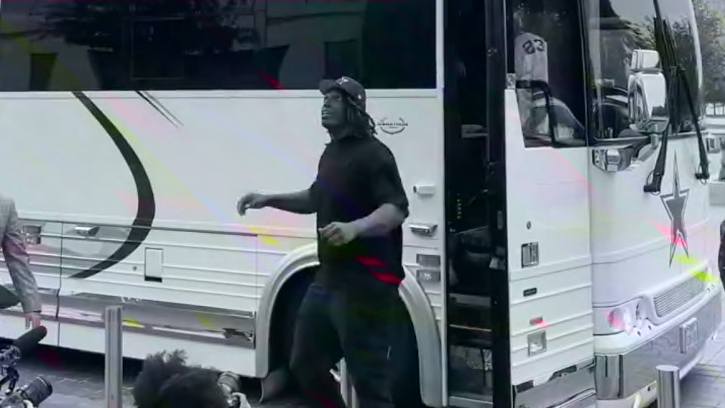
[WATCH] Dallas Cowboys First-Round NFL Draft Pick Tyler Guyton Arrives In Frisco
Guyton was all smiles as he took a tour around ‘The Star,’ soaking in the Super Bowl rings and the Lombardi Trophies in the lobby.
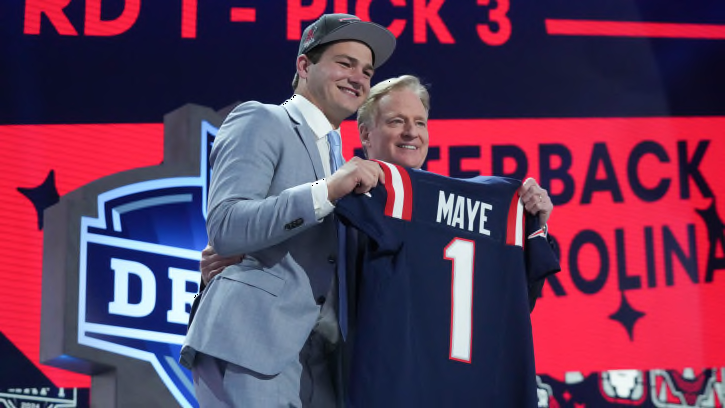
Drake Maye Wears "UNC" Air Jordan Sneakers to NFL Draft
Drake Maye wore Air Jordan 1 Low sneakers to the 2024 NFL Draft.

Houston Astros Demote Struggling Former Top Rookie To Open Spot For Ace
The Houston Astros will get their ace back from injury this weekend, but they had to move one of their former top rookies down after his early struggles.
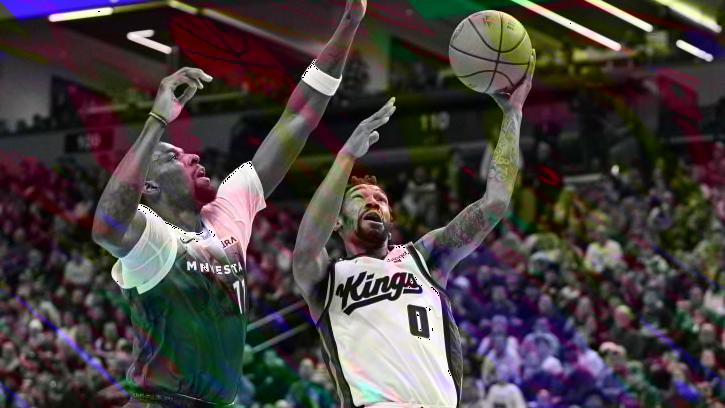
Voters Split Love Between Monk and Reid for 6MOTY
It was nearly even in the NBA’s Sixth Man of the Year race.
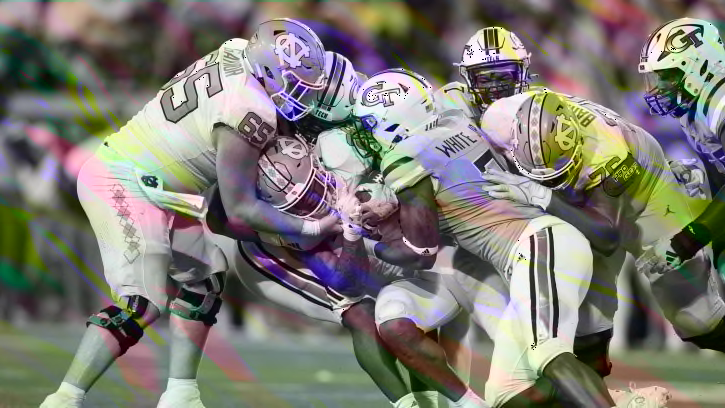
2024 NFL Draft Profile: Georgia Tech Linebacker Andre White Jr
The first round of the NFL Draft is in the books and rounds two and three will be held tonight and then four through seven on Saturday. Over the past few years
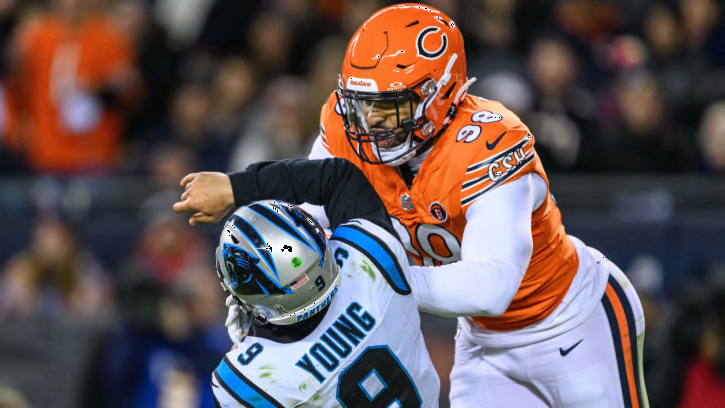
Where the Bears Could Look on Day 2 of Draft
It's going to be a long wait now for the Bears before their next pick at 75 overall in Round 3, if they hope to get pass rush help for Montez Sweat.
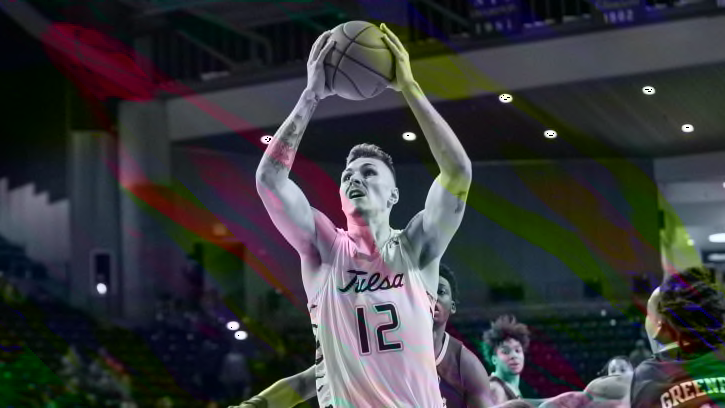
Stanford Cardinal Pursuing Monmouth Transfer Nikita Konstantynovskyi
The Stanford Cardinal are still perusing around the transfer portal with hopes of adding to their roster. New head coach Kyle Smith already convinced the Pac-12
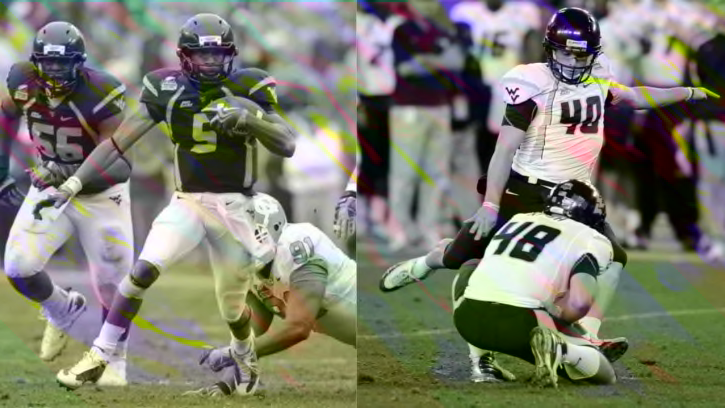
Pat McAfee vs. Pat White in the Gold Blue Spring Game
Two West Virginia legends will face off against one another in the annual Gold and Blue Spring Game
2024 NFL Draft Day Two: Chiefs Trade Routes and Partners
If Brett Veach wants to move up or down the board on Friday, what are some possibilities?
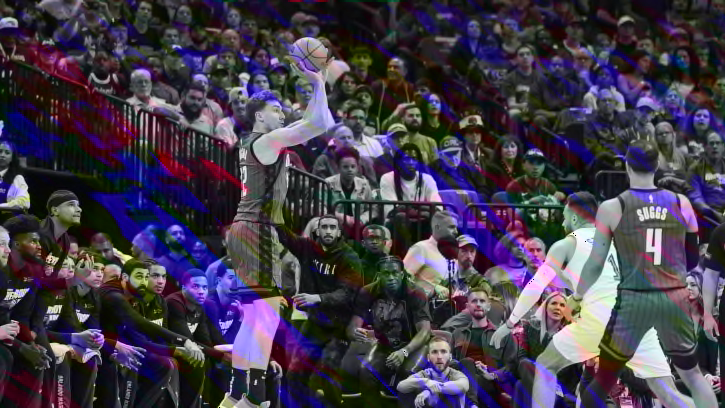
Magic Homecourt Advantage 'Huge' in Game 3 vs. Cavaliers
The Orlando Magic fed off their home crowd's energy in their Game 3 win against the Cleveland Cavaliers in the 2024 NBA Playoffs.
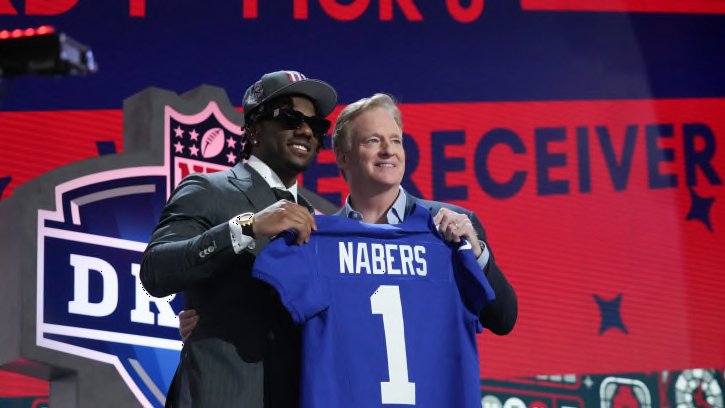
New York Giants NFL Draft Day 2 Preview
What's next for the New York Giants on Day 2 of the NFL draft?
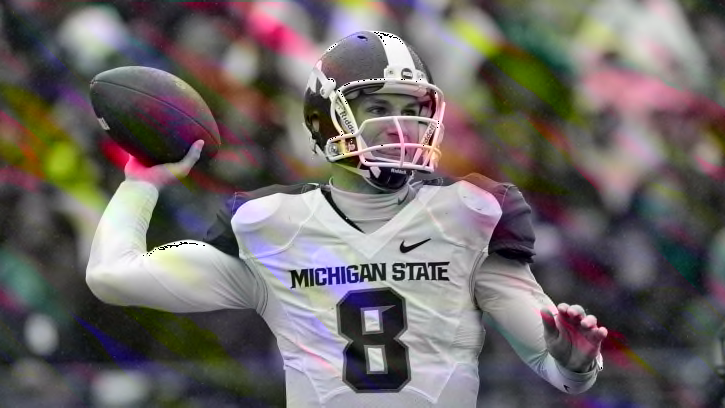
Former Spartan QB Affected by Biggest Shock of First Round of 2024 NFL Draft
Former Michigan State quarterback Kirk Cousins's name has been coming up in the latest buzz surrounding the Atlanta Falcons' shocking selection of Michael Penix Jr. at No. 8 overall.