
Welcome to FanNation, Part of the Sports Illustrated Media Group
Find and follow your favorite team here. Get the latest news and updates about the team you care most about.
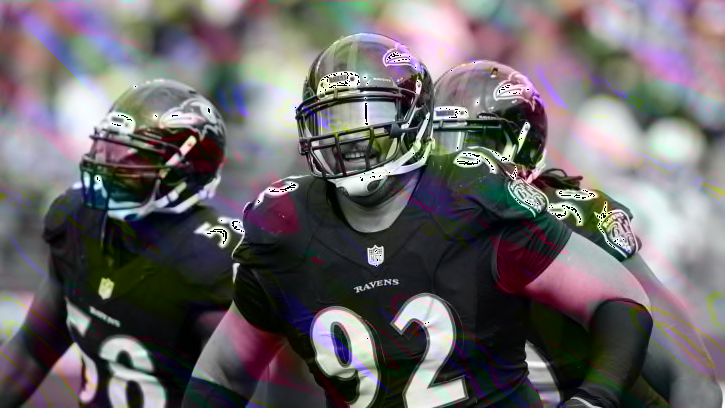
Ravens Legend to Announce Day 2 Pick
Former Baltimore Ravens defensive tackle Haloti Ngata will welcome a member of the team's 2024 NFL Draft class.
Recent Articles
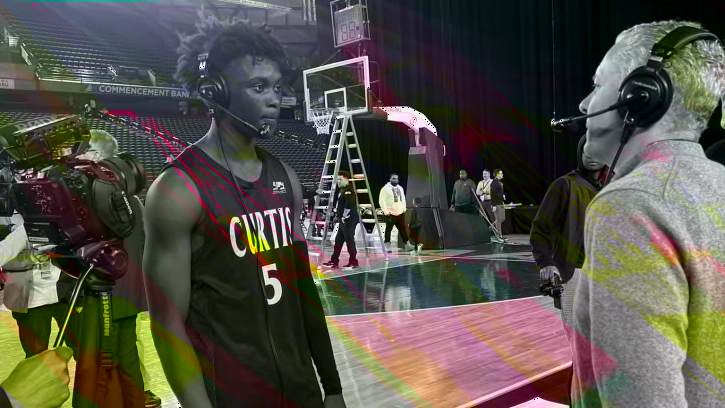
Huskies Keep Zoom Diallo From Leaving, Focused on Becoming Hometown Hero
The highly regarded Tacoma point guard reaffirmed he will play for the UW.
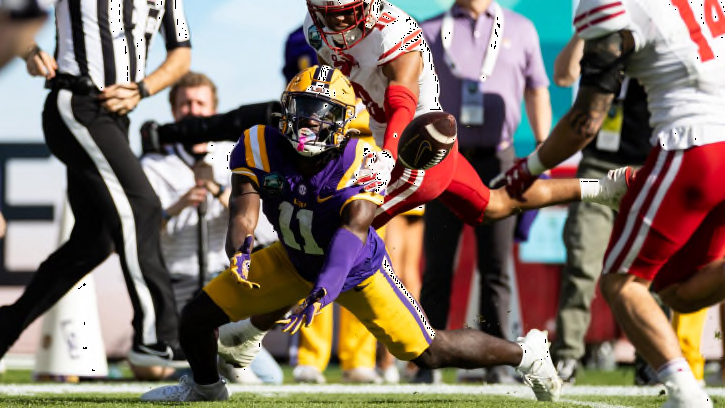
SI NFL Insider's Round 1 Projection Sends LSU Receiver to Buffalo Bills
The Buffalo Bills hold the No. 28 overall selection in Thursday's NFL Draft First Round and Albert Breer predicts they will use that pick to secure LSU's Brian Thomas Jr.
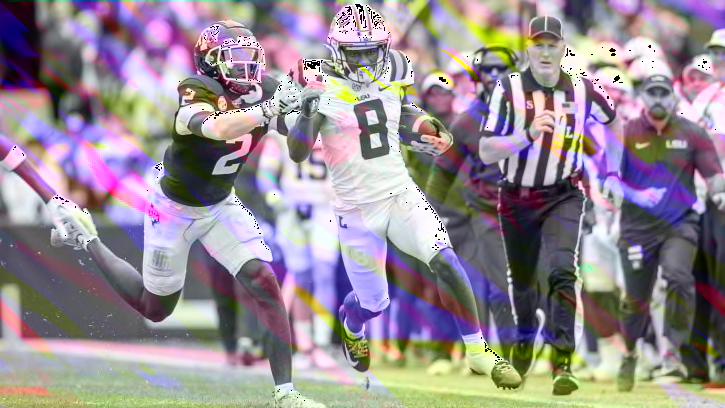
Wide Divde Exists Among Late Mock Drafts on Bears at No. 9
No clear consensus exists as the Rome Odunze coaltion that had built among many mock drafters seems to have collapsed.
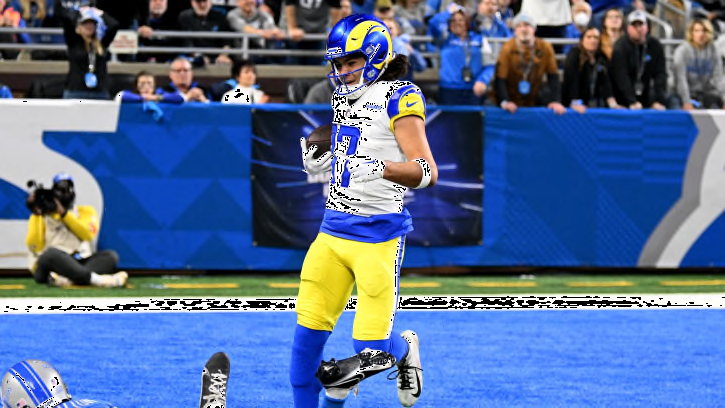
Puka Nacua Inks Footwear and Apparel Deal with Jordan Brand
Last year, Puka Nacua went from a fifth round draft pick out of BYU to a household name. Nacua broke the rookie records for both receptions and receiving yards
St. Brown Did Not Want to Be Drafted by Lions, Now Grateful
St. Brown reflected on Draft experience ahead of 2024 first-round.
DaBaby and Shaquille Criticise Treatment At Charlotte Hornets Games
The two discussed DaBaby's experience as a season ticket holder on Shaq's podcast
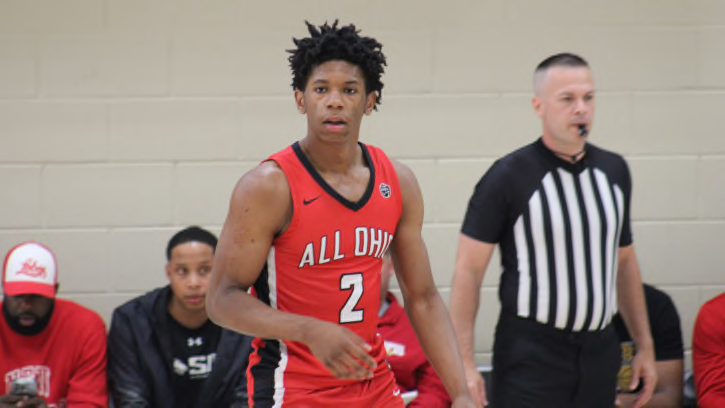
2025 4-Star Guard to Potentially Visit Michigan State
Jerry Easter, a class of 2025 4-star guard from La Lumiere School, is considering visiting Michigan State.
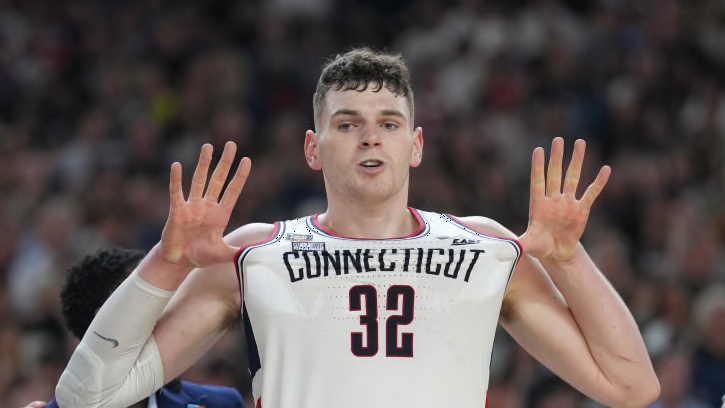
What Will Be The Atlanta Hawks Biggest Needs In The 2024 NBA Draft?
The offseason came early for the Atlanta Hawks this year, as they lost in the play-in tournament vs the Chicago Bulls. This is the first missed postseason for A
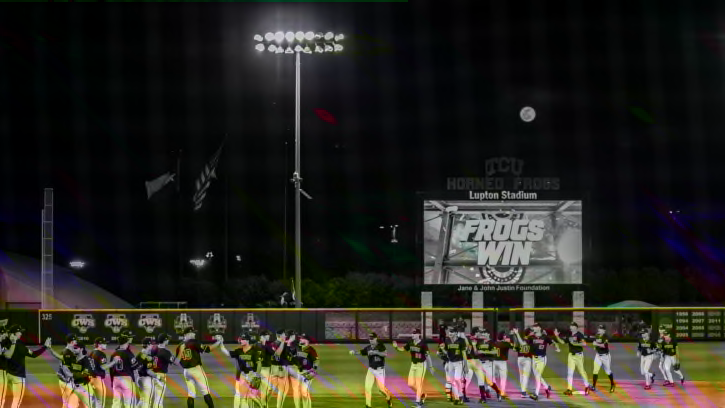
TCU Gets Much Needed Win Over Dallas Baptist
Horned Frogs snap two-game losing streak with a 5-2 victory over the Patriots.
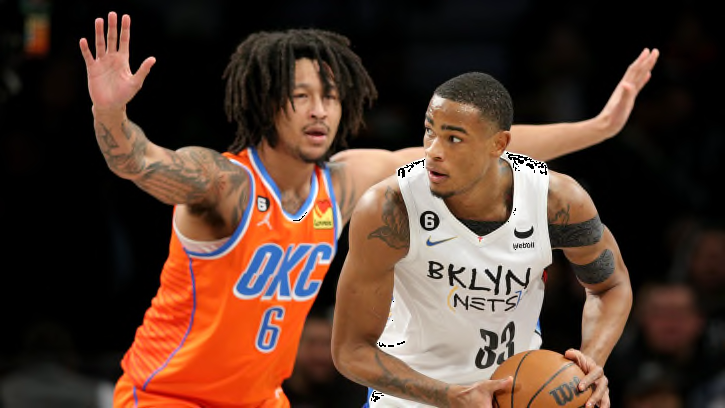
OKC Thunder Listed As Favorite to Land Nets' Nic Claxton This Offseason
While the Thunder's last focus is roster reconstruction amid their playoff run, oddsmakers like the team's chances to land Nic Claxton from the Nets this offseason.
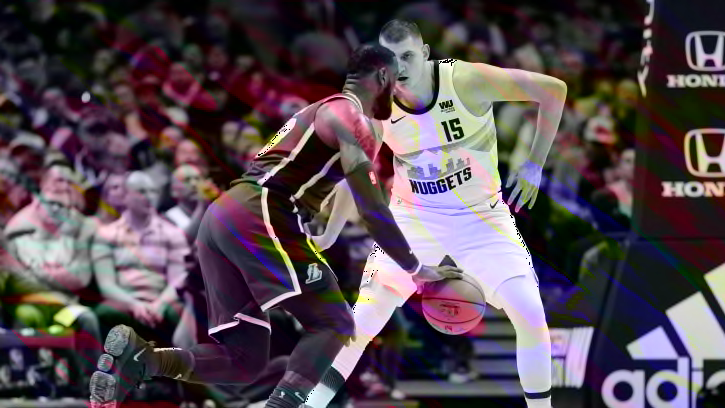
Los Angeles Lakers vs Denver Nuggets Game 3 Injury Report Revealed
The are multiple major All-Stars listed.

UFC 300: Jamahal Hill Wanted ‘Better Reset’ before Alex Pereira’s ‘Gritty, Competitive Move'
Hill also insists 'it wasn't a groin strike' that he hit Pereira with prior to the fight-ending sequence.
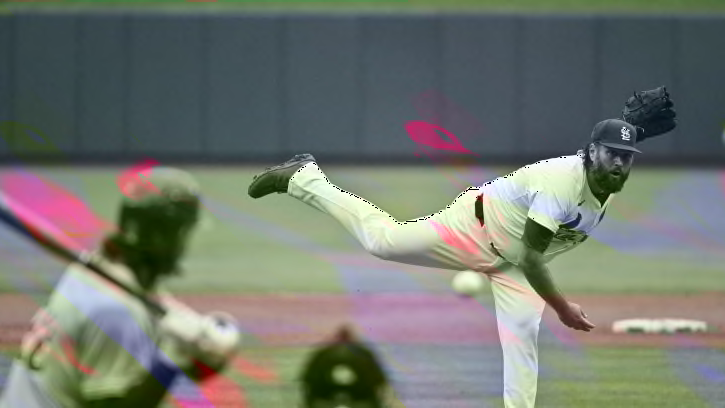
Cardinals’ Newest Starters Exceeding Expectations After Hot Start To Season
St. Louis' retooled rotation is holding its own so far
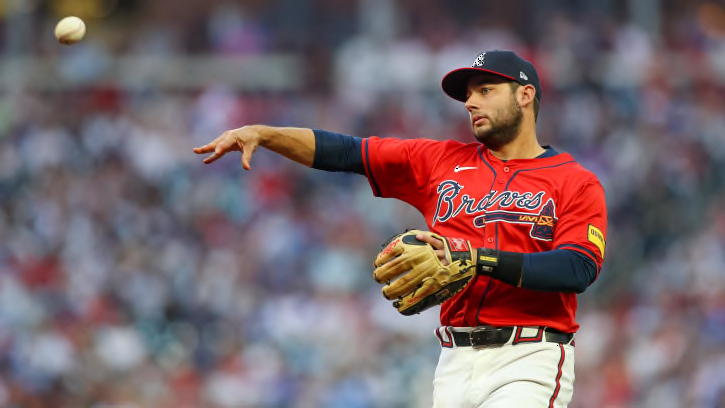
Braves Send Depth Infielder to Gwinnett, Giving Hope for Star's Return
The Atlanta Braves made a roster move on Thursday's off day
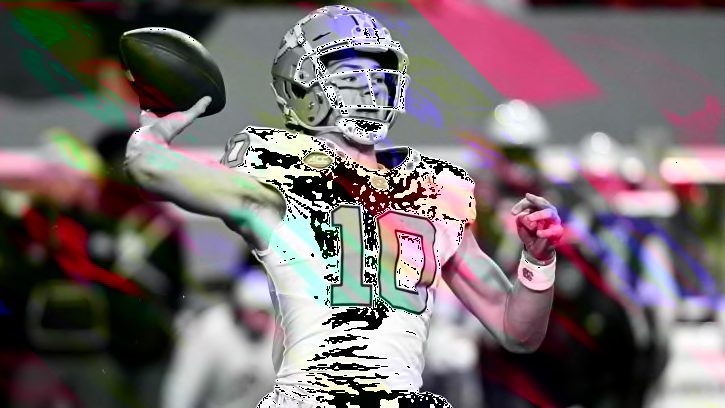
New York Giants 2024 Draft: Day 1 Rumors
Let's examine the top rumors ahead of Day 1 of the NFL Draft and determine what makes sense.
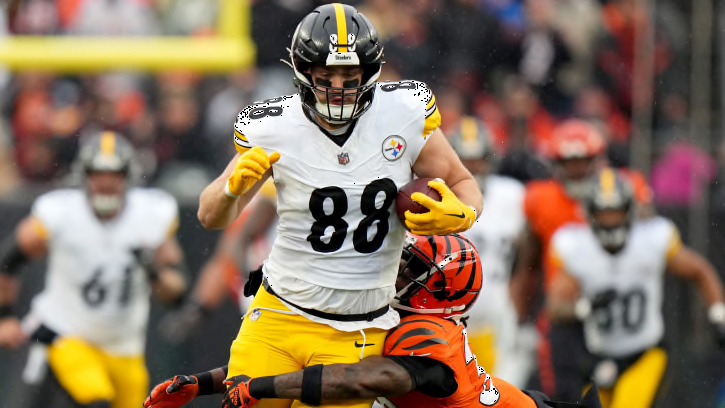
Analyst Proposes Wild Steelers Trade
One NFL analyst has an idea for a wild trade the Pittsburgh Steelers could execute.
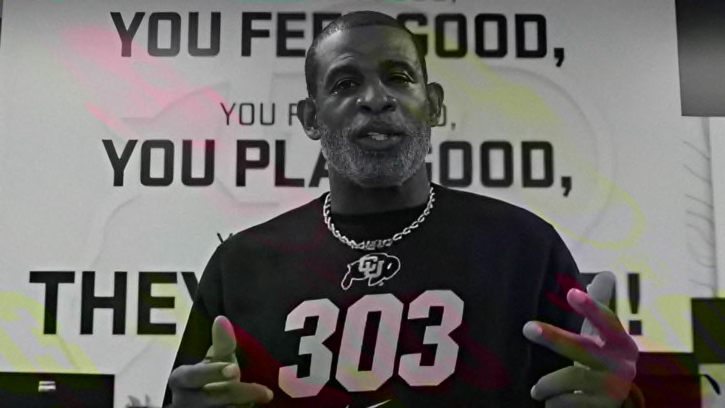
Deion Sanders says it's ridiculous Michael Penix Jr has gotten no attention before NFL Draft
Coach Prime wonders why the media isn't focused on the former Washington quarterback
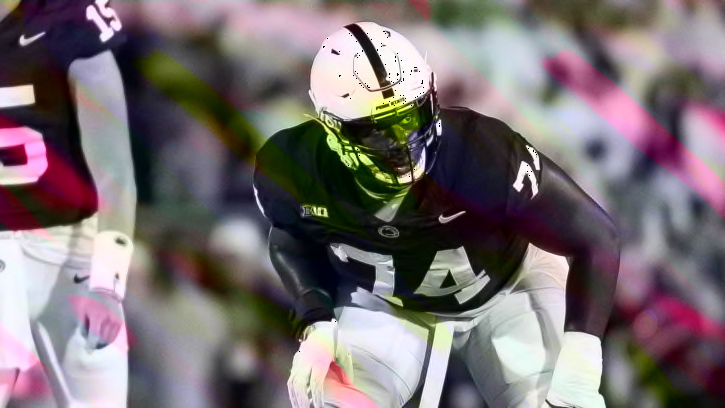
2024 NFL Draft: Future Bears QB Caleb Williams wants to reunite with high school teammate Olu Fashanu
Asked what he wants the Bears to do with pick No. 9 in the 2024 NFL Draft, Caleb Williams had a definitive answer...
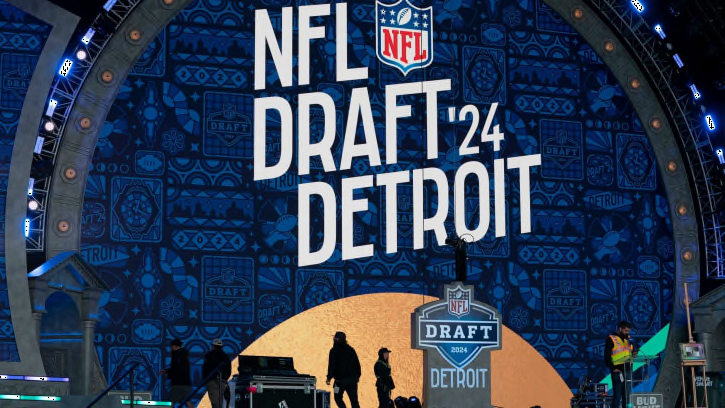
Here’s What NFL Scouts, Agents Say About Packers’ First-Round Draft Pick
Who will the Green Bay Packers pick in the first round tonight? Here are some educated guesses.
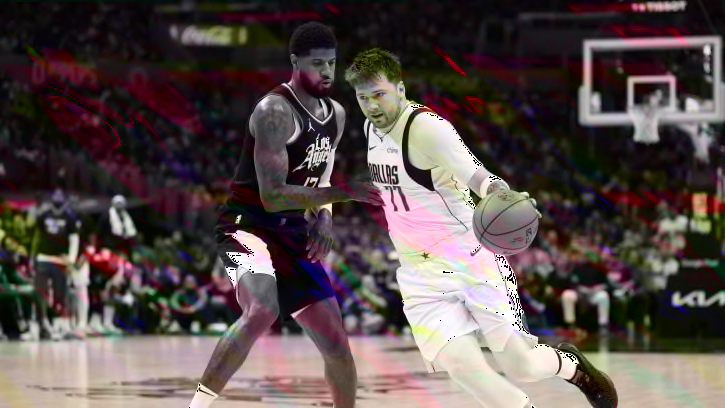
Paul George's Surprising Statement on Facing Mavericks in Playoffs
Paul George revealed a new detail about the series.
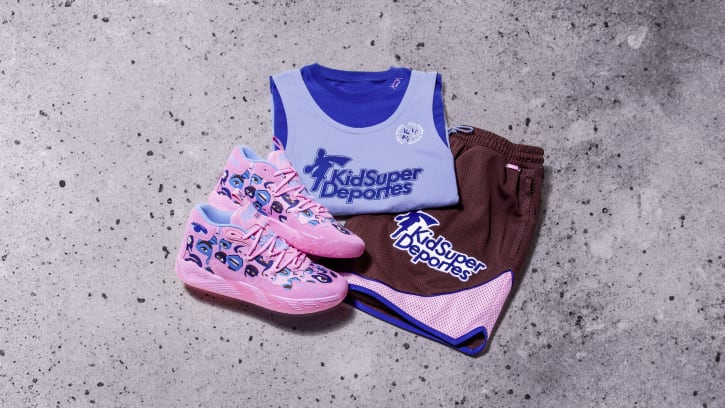
PUMA Collaborates with KidSuper on LaMelo Ball's Sneakers
PUMA Hoops has teamed up with KidSuper on the LaMelo Ball's signature line
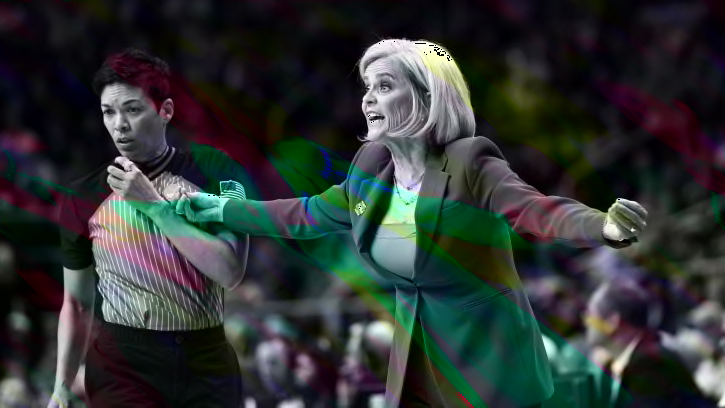
The Offseason Additions: Kim Mulkey, LSU Reel in Impressive Newcomers
Mulkey and the Tigers bring in four players via the Transfer Portal, top high school prospect in Louisiana.
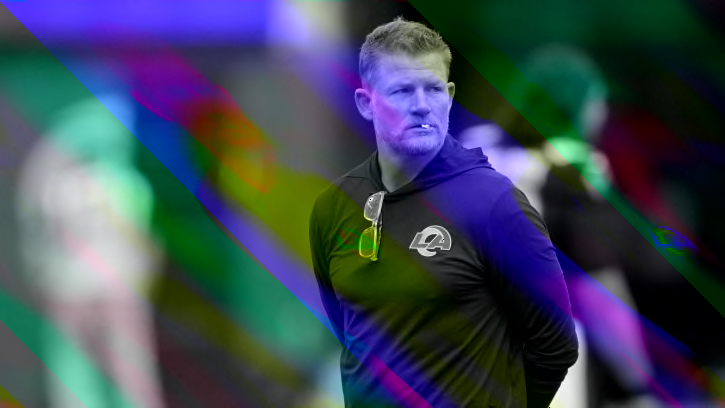
Rams in aggressive pursuit of a top-10 pick in the 2024 NFL Draft
The 2024 NFL Draft is set to begin in a few hours, and the Rams are looking to get into the top-10.
Complete list of Buffalo's NFL Draft selections. When Do The Buffalo Bills Pick In The 2024 NFL Draft.
The Buffalo Bills enter the 2024 NFL Draft with 10 selections over the three-day draft. Bills Mafia can keep track of when and who the Bills pick right here.