
Welcome to FanNation, Part of the Sports Illustrated Media Group
Find and follow your favorite team here. Get the latest news and updates about the team you care most about.
Crazy Times: Ex-UNC Basketball Wing Commits to Nearby Rival
The Wolfpack landed former UNC basketball reserve Dontrez Styles from the transfer portal.
Recent Articles
RECRUITING: 2025 Florida QB Commits To Coastal Carolina
Chris Denson of Plant City will be a Chanticleer
Ryne Nelson Injured in D-backs 5-0 Loss to Giants
The offense was shut down and defensive mistakes led to multiple runs for San Francisco late.
OU Baseball: Braden Davis, Oklahoma Open BYU Series With Big Win
The Sooners' left-hander struck out 11 and OU's hitters jumped on top early, and the bullpen did just enough to hold off the Cougars in their opener in Provo.
OU Gymnastics: Oklahoma's Bid for Three Straight NCAA Titles Falls Flat
The Sooners have had a dominant season, but in the NCAA semifinals started slow, endured numerous falls and couldn't catch up.
Red Sox Make Rare April Trade With Brewers To Bolster Starting Pitching Depth
Boston has been in desperate need of some external help
FSU Football Spring Camp Observations: 'Noles Wrap Up Slate Of Practices With Physical Session
The Seminoles had a ton of energy on Thursday ahead of the spring showcase.
Pressure Already Building for Caleb Williams to Succeed
Cooldown urged after comment by scout calling USC QB the most likely player in this draft to make the Hall of Fame.
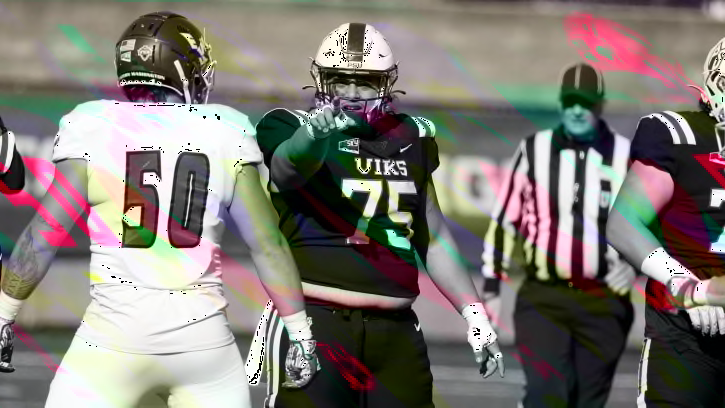
Huskies Pick Up First of Many OL Portal Commitments
D'Angalo Titialii from Portland State has pledged to the UW.
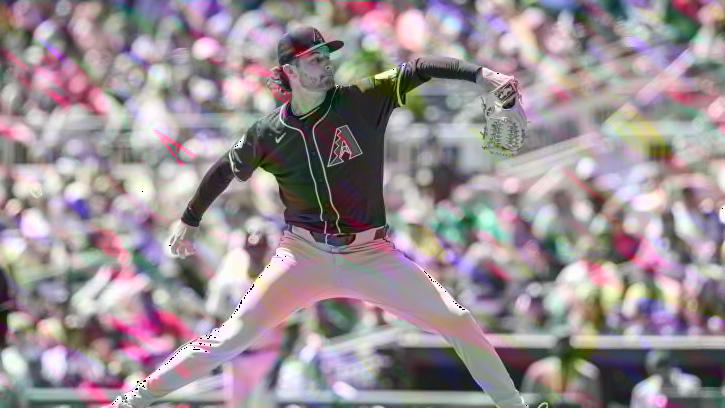
Ryne Nelson Exits Start vs. Giants with Right Arm Injury
Nelson was struck in the right arm on a comebacker on the final out of the 2nd inning in his start against the San Francisco Giants.
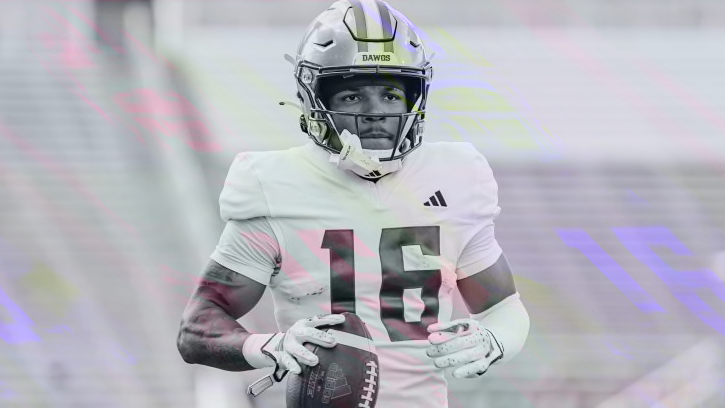
Holmes Rejoins Huskies After Second Flirtation with Transfer Portal
The UW safety has had an interesting if not confusion spring so far.
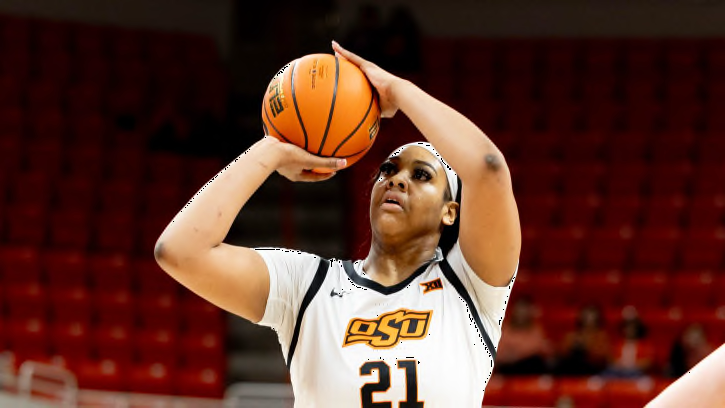
Oklahoma State Transfer Hannah Gusters Signs With UCF
The Cowgirls' leading scorer will play for a Big 12 rival next season.
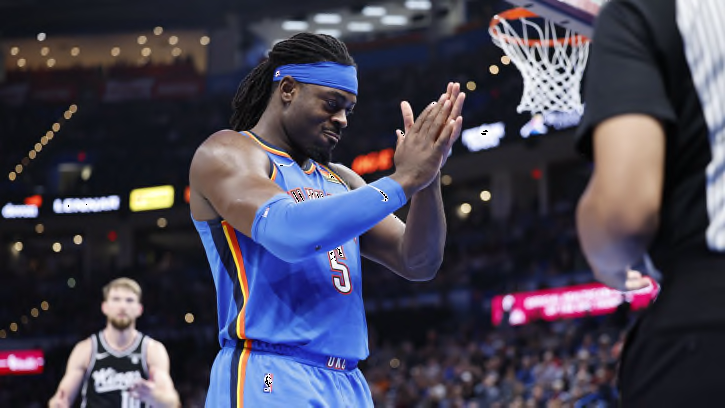
OKC Thunder Defensive Ace Lu Dort is at His Best In Big Games
The Oklahoma City Thunder have seen defensive ace Lu Dort play his best basketball on the biggest stage.
Former Warriors GM Reveals Key to Klay Thompson's Free Agency
Bob Myers revealed what would make Klay Thompson re-sign.
Former Sam Houston Guard Davon Barnes Announces Commitment to Ole Miss Rebels
Ex-Sam Houston Bearkats guard Davon Barnes is now the fourth transfer portal commit the Ole Miss Rebels have received in the last week.
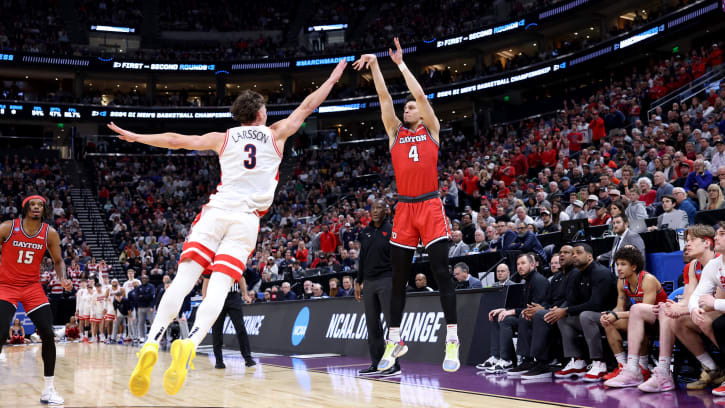
Duke Basketball Appears Among Reported Finalists for Top Sharpshooter
Duke basketball has reportedly moved a step closer in its quest to land a highly sought-after mid-major guard.
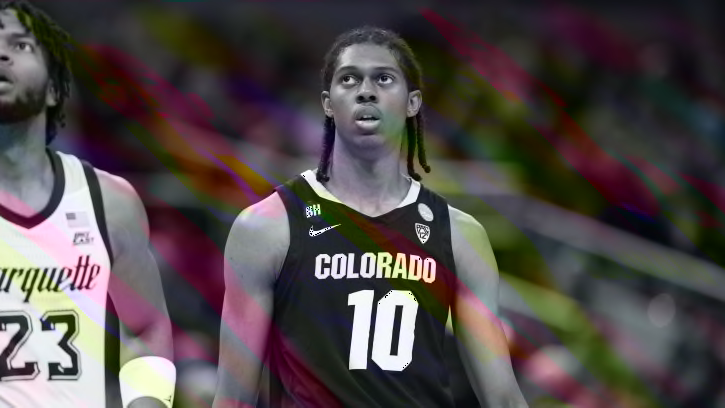
Rockets Draft: The Case for Selecting Cody Williams
In the 2024 NBA Draft, the Houston Rockets should consider selecting Colorado prospect Cody Williams.
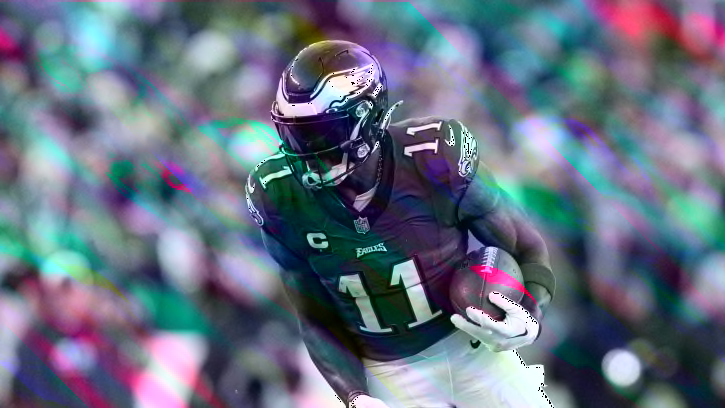
AJ Brown's Cryptic Profile Photo Change Sparks Patriots Whispers
The Philadelphia Eagles wide receiver made a peculiar change to his social media on Thursday.
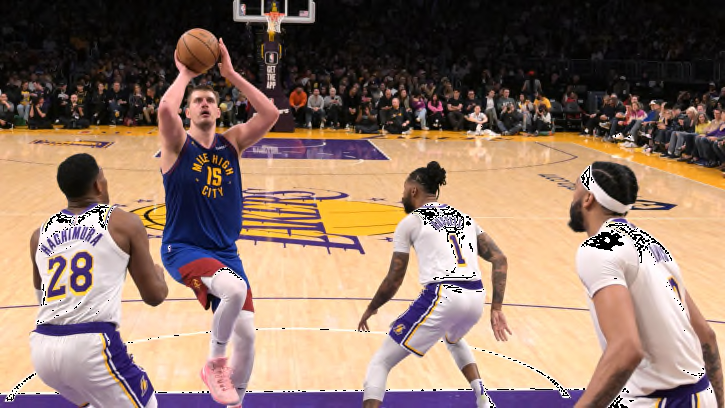
Former NBA Star Makes Controversial Lakers vs. Nuggets Prediction
The Denver Nuggets and Los Angeles Lakers have an exciting series coming up
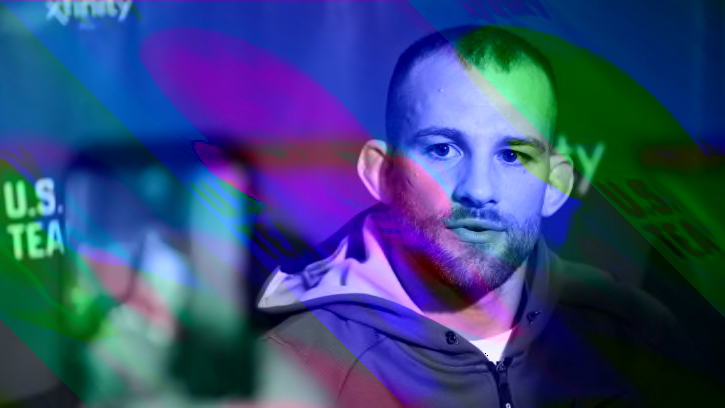
'If You Want to Be the Best in the World, You Come to Penn State,' Olympic Champ David Taylor Says
Penn State and the Nittany Lion Wrestling Club will be major storylines at the 2024 U.S. Olympic Wrestling Trials at the Bryce Jordan Center.
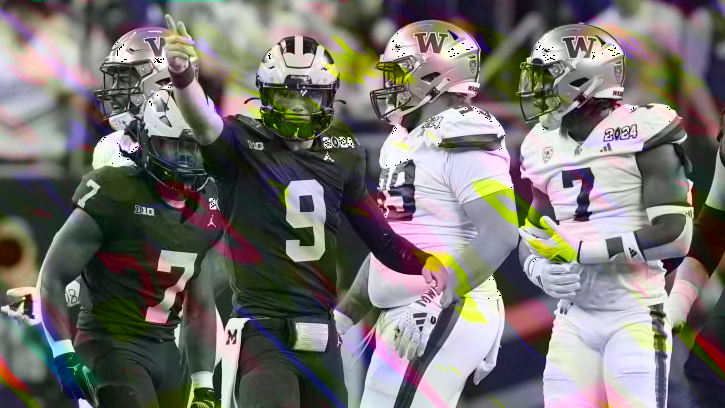
Tiki Barber Explains Why He Doesn't Want Giants to Select JJ McCarthy at No. 6
Barber implored his old team to think long and hard about selecting Michigan quarterback J.J. McCarthy if he falls to them in the draft order.
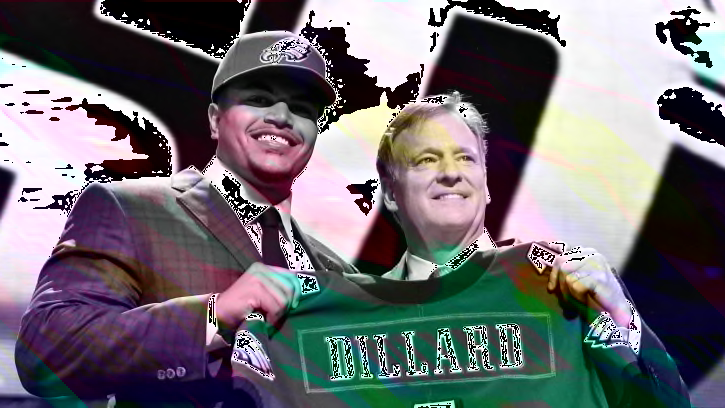
How Does Andre Dillard Change Packers’ Draft Outlook?
The Green Bay Packers signed offensive tackle Andre Dillard on Thursday, adding a former first-round pick one week before the 2024 NFL Draft.
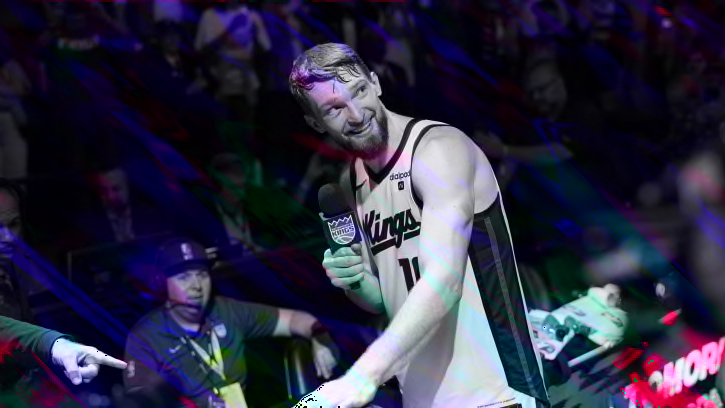
Kings’ Playoff Outcome Will Determine 2024 NBA Draft Fate
The play-in game is more than a future playoff date for Sacramento.
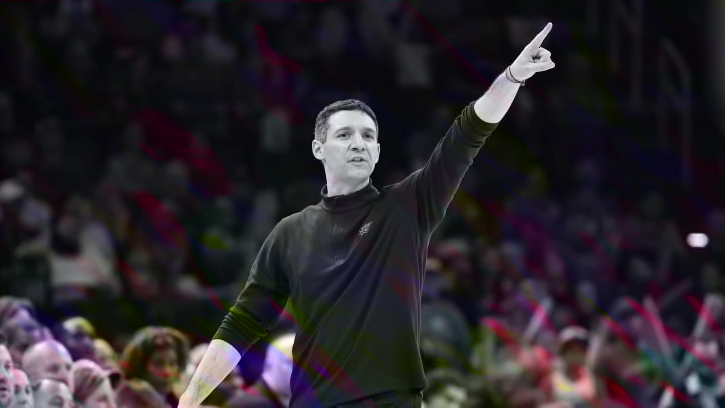
Mark Daigneault’s ‘Standard’ Lifting Oklahoma City to New Heights
The Thunder’s head coach expects a lot out of his young team, and it’s paying off in a big way.
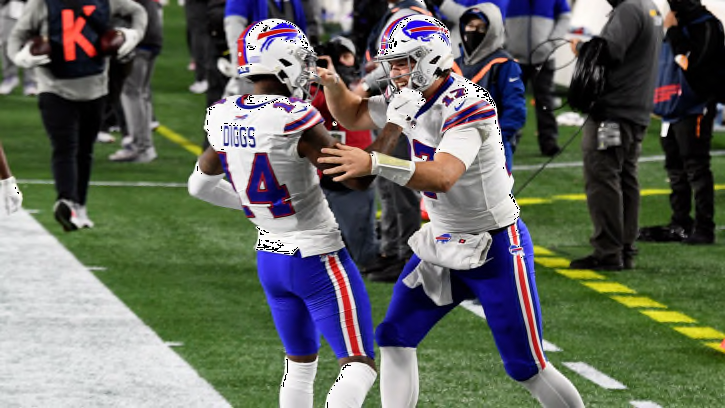
Josh Allen Thanks Diggs For Making Him The QB He Is Today
Allen was clear about the positive impact Diggs had on Allen and The Buffalo Bills