
Welcome to FanNation, Part of the Sports Illustrated Media Group
Find and follow your favorite team here. Get the latest news and updates about the team you care most about.
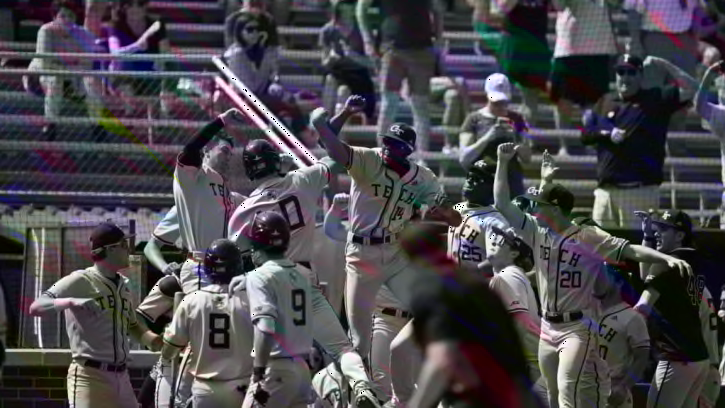
Georgia Tech Baseball Projected As a No. 3 Seed in the Latest Field of 64 Projections From D1 Baseball
Georgia Tech Baseball has been one of the hottest teams in the country over the past month, winning four straight series in the ACC and securing a nice win over
Recent Articles
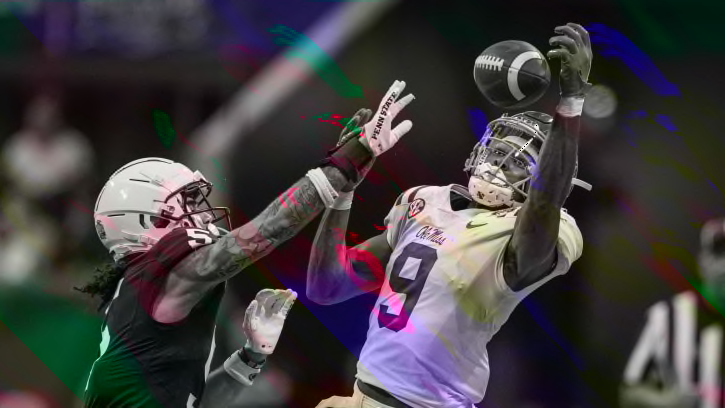
Baltimore Ravens Select Ole Miss Rebels WR in Way-Too-Early 2025 Mock Draft
The 2024 NFL Draft wrapped up last Saturday, but it is never too early to start making predictions for next year's class.
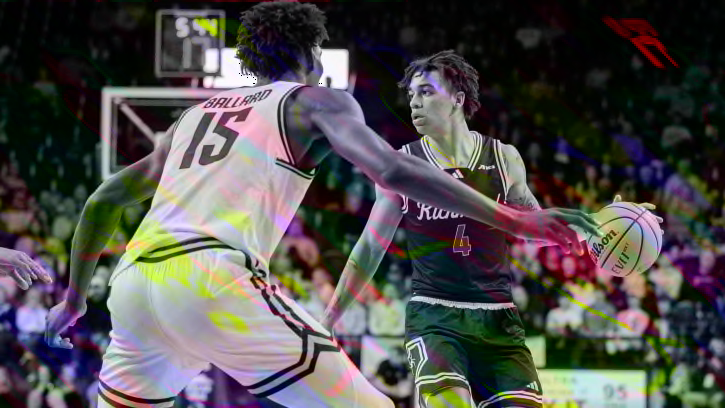
LSU Basketball: Tigers Land Commitment from Richmond Transfer Dji Bailey
Bailey reveals his pledge to Matt McMahon and Co. after a recent visit, rounds out the LSU backcourt.
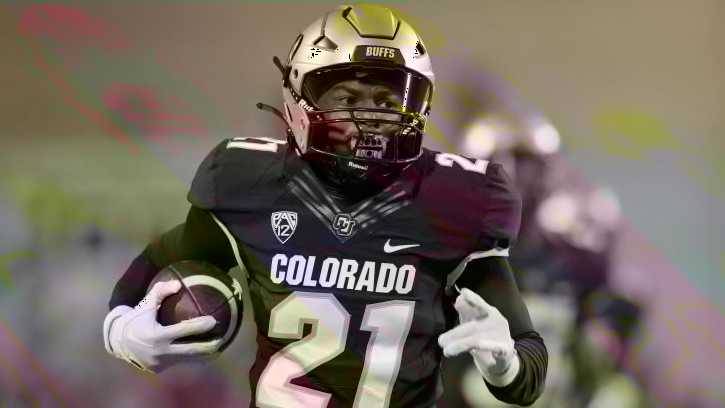
Colorado's Shilo Sanders out at least six months after shoulder surgery, sources say
Buffs Headache Gang CEO will miss an extended period of time
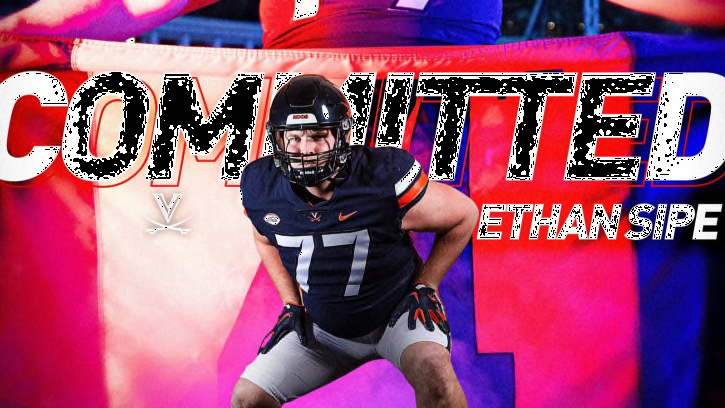
Virginia Football Reinforces Offensive Line With Dartmouth Transfer Ethan Sipe
Dartmouth grad transfer offensive lineman Ethan Sipe has committed to Virginia with two years of eligibility remaining.

NFL Draft War Room Video Reveals Atlanta Falcons Bold Trade Attempt
War Room video from the NFL Draft reveals Atlanta Falcons bold trade attempt in first round.
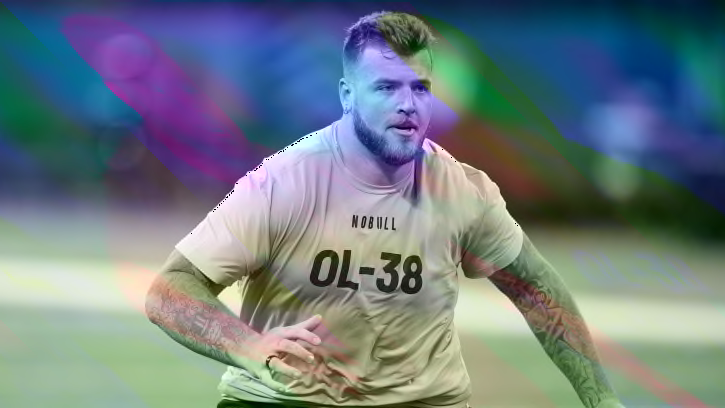
Rookie Offensive Lineman Is A Perfect Fit For The Eagles
Eagles' fifth-round pick Trevor Keegan is already fitting in with the passionate Eagles' fan base.

WWE News: Former Friday Night SmackDown Champion Returning to Company (Report)
One former WWE champion on the Friday Night SmackDown brand has reportedly signed a deal to return to the company.
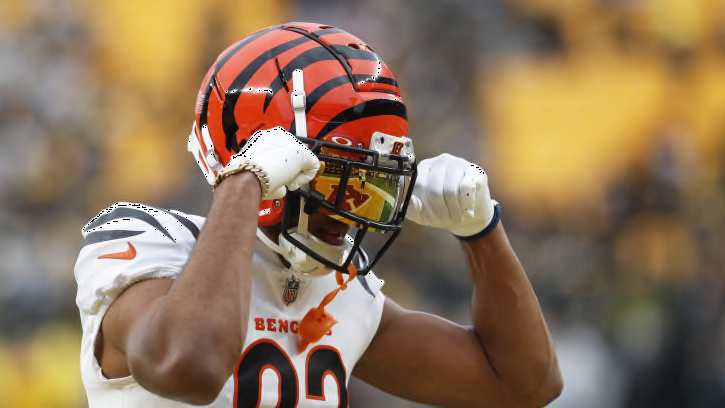
Report: Titans Hosting Former Bengals WR
The Tennessee Titans will meet with free agent wide receiver Tyler Boyd.
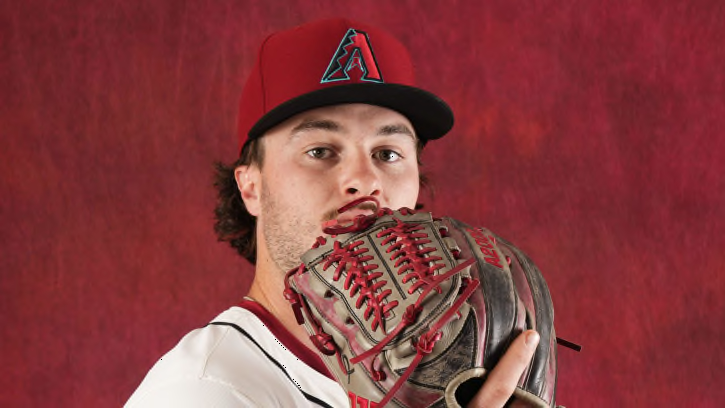
Diamondbacks to Promote Blake Walston
Blake Walston should provide some length for a D-backs bullpen that had to go all nine innings Tuesday.
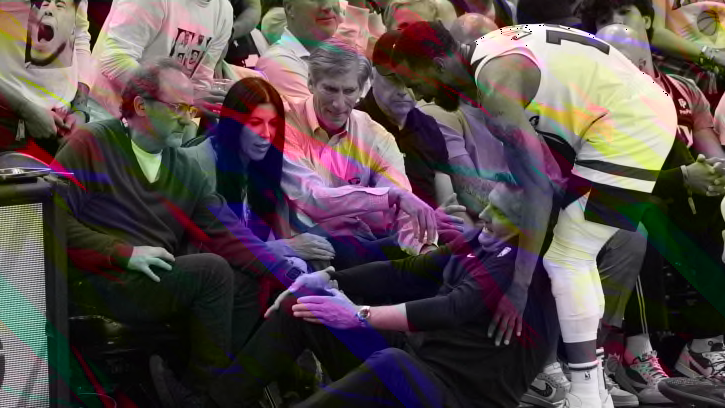
Chris Finch 'out of surgery' and 'spirits are remarkably high'
The plan is for Chris Finch to be with the team Friday in Denver.
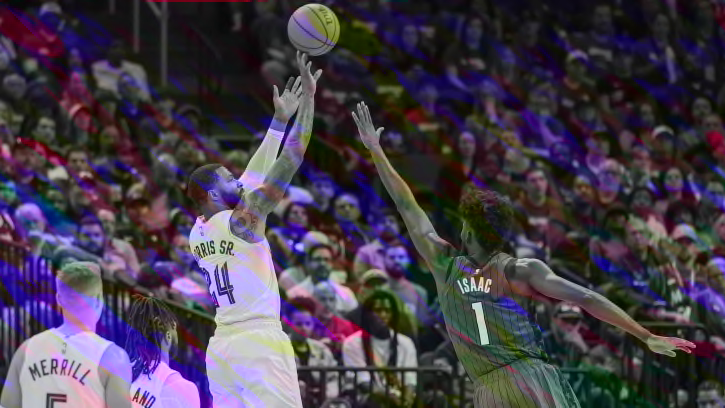
Marcus Morris Proved He Belongs In Cavs Playoff Rotation
Marcus Morris was a crucial piece in the Cleveland Cavaliers' Game 5 victory over the Orlando Magic.
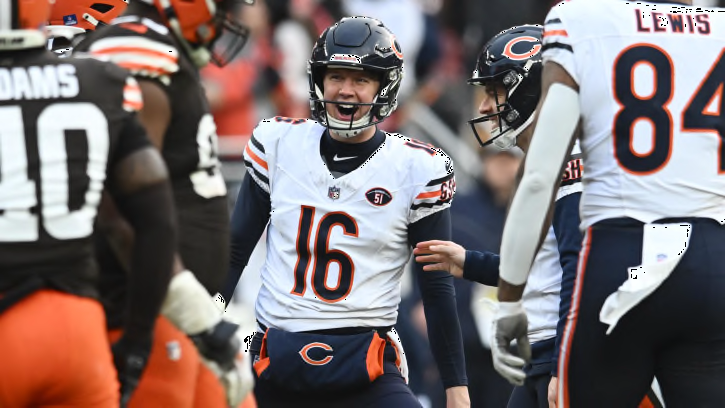
Bears Release Trenton Gill After Drafting Iowa's Tory Taylor
The departure of punter Trenton Gill seemed a foregone conclusion after the Bears drafted Tory Taylor and they didn't even get to rookie camp before releasing their 2022 draft pick.
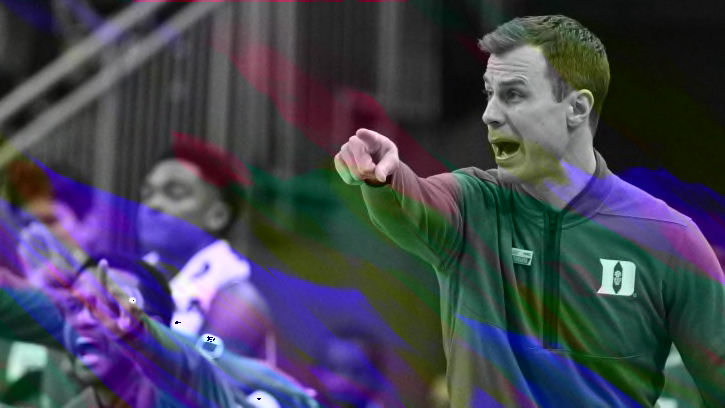
New Name Emerges in Duke Basketball Transfer Portal Pursuits
The Duke basketball staff has reached out to a prolific mid-major scoring guard.
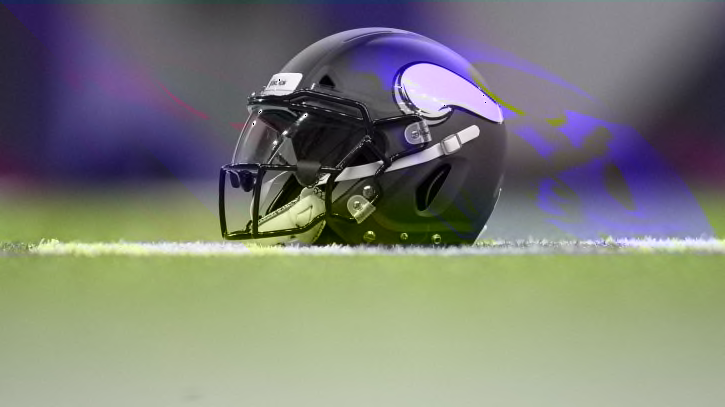
Vikings Rookie Minicamp: Dates Announced, Tryout Players
The Vikings will have their rookie minicamp at TCO Performance Center soon.
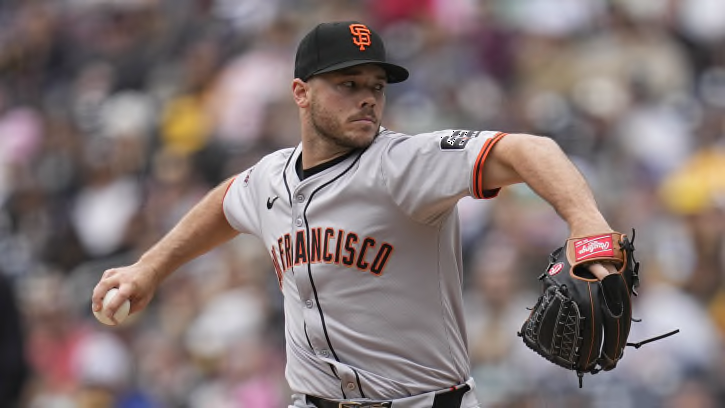
San Francisco Giants Make Interesting Roster Moves Ahead of Red Sox Matchup
The San Francisco Giants made some intriguing roster moves ahead of their matchup with the Boston Red Sox.
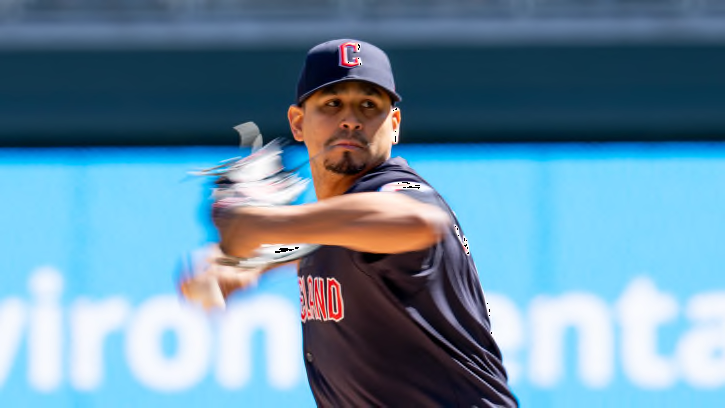
Guardians May Need To Rethink Carlos Carrasco’s Role
Carlos Carrasco's ERA has jumped to 6.59 over six starts with the Cleveland Guardians.
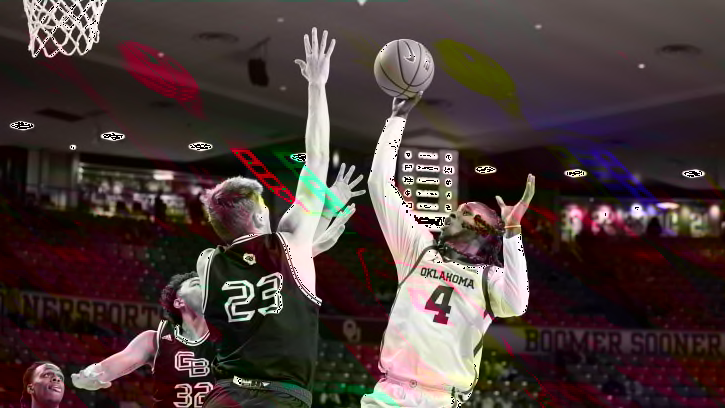
OU Basketball: Former 4-Star Prospect Kaden Cooper to Leave Oklahoma
Cooper sparingly saw minutes during his freshman season with the Sooners.
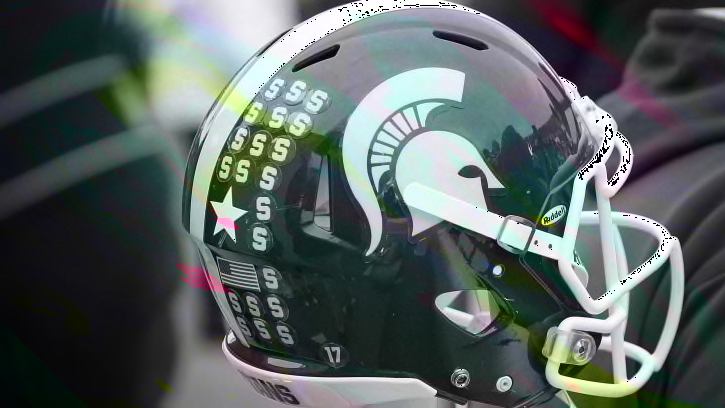
Transfer DT Jay'vier Suggs to Visit Michigan State
Michigan State football has another opportunity to help fill the voids that former Spartan defensive tackles Derrick Harmon and Simeon Barrow left.
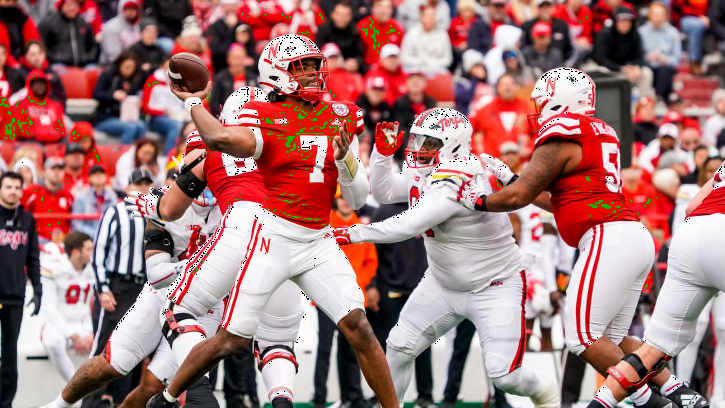
Former Georgia Tech Quarterback Jeff Sims Reveals New Transfer Destination
Former Georgia Tech quarterback Jeff Sims has found a new home. After transferring to Nebraska ahead of last season, Sims went back in the portal after one sea
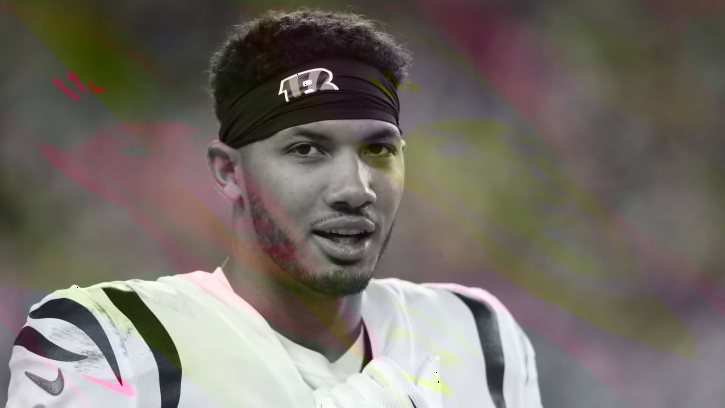
Former Bengals Receiver Tyler Boyd Meets With Contender, Set to Visit Second Team This Week
Boyd spent the first eight seasons of his career in Cincinnati.
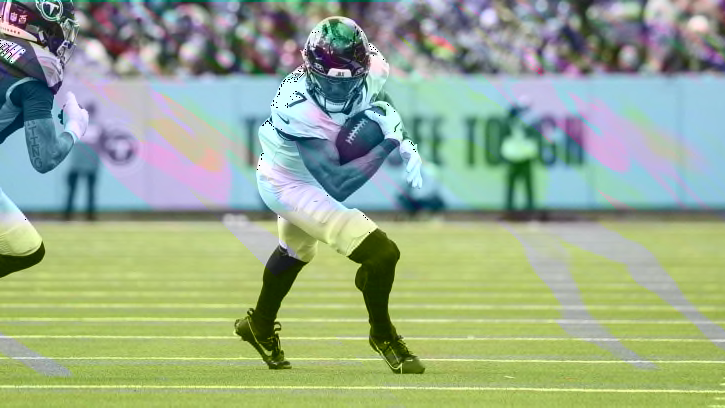
New York Jets Urged to Sign Recently Released Veteran WR
The New York Jets could look to add a productive veteran wide receiver who was just released.
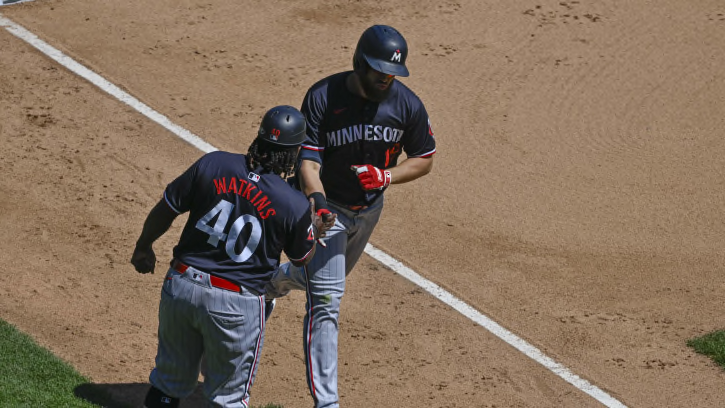
Twins extend win streak to 10 with sweep of White Sox
It equals the longest win streak in team history since 2008.
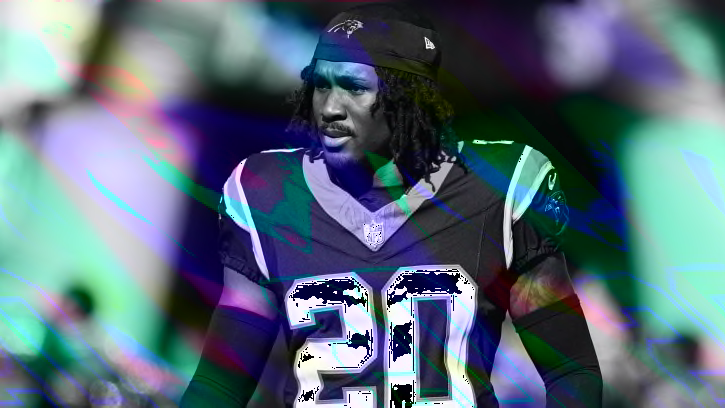
Giants Sign Veteran Defensive Back David Long
New York finally adds a veteran cornerback to a relatively young room.
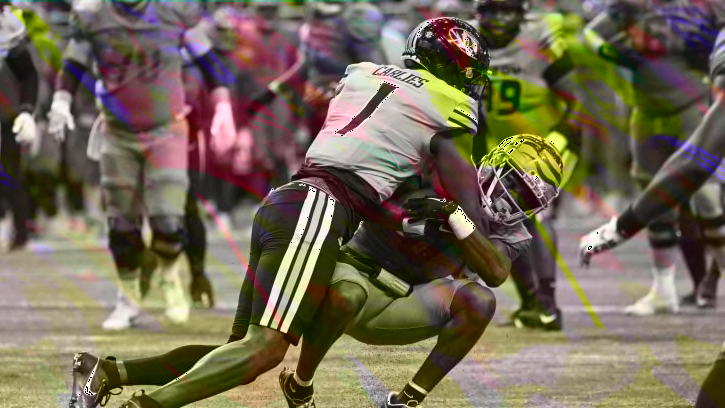
Colts' Jaylon Carlies Draws Comparisons to Cato June With Switch to LB
The Indianapolis Colts successfully converted Cato June from linebacker to safety and hope to do it again with Jaylon Carlies.