
Welcome to FanNation, Part of the Sports Illustrated Media Group
Find and follow your favorite team here. Get the latest news and updates about the team you care most about.
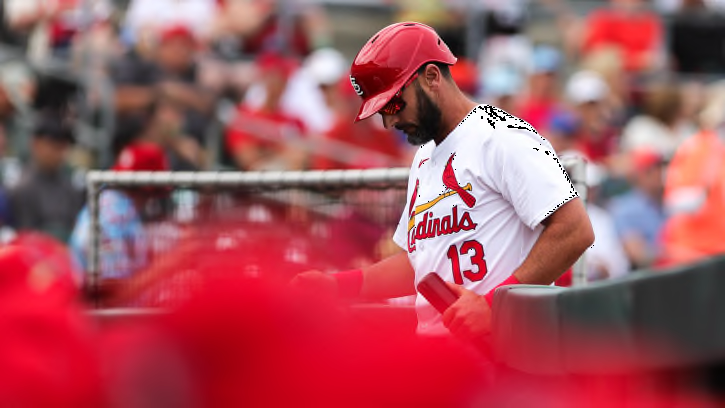
Cardinals Slugger Has Made 'Advancements' After Suffering Tough Injury
St. Louis should have an important offensive piece back in the near future
Recent Articles
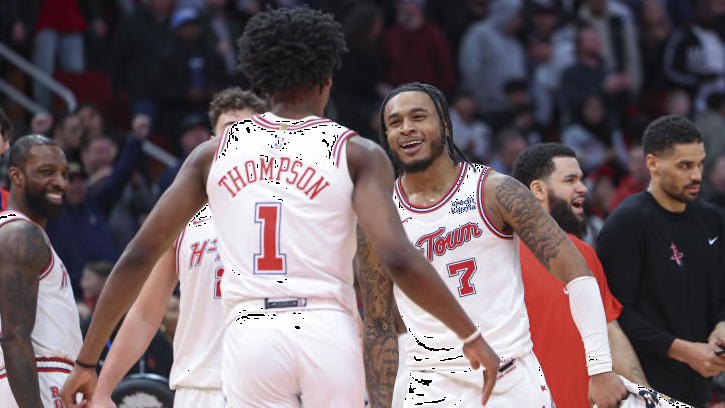
Rockets Don’t Need to Make Drastic Moves to Improve Next Season
After improving to being a .500 team this season, the Houston Rockets simply need to stay healthy in order to take that next step.
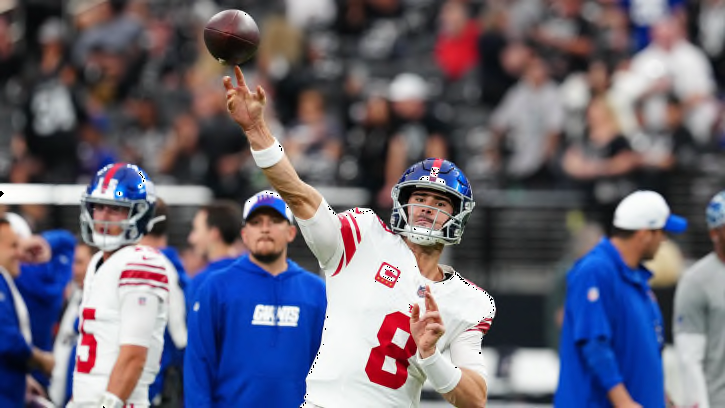
Giants Draft Preview: Best Quarterback Fits
The Giants need to draft a quarterback, right? Plus, why the team might be willing to take the $12 million injury risk with Daniel Jones?

Seattle Mariners Lose Top Prospect to Injured List in Unfortunate Development
Colt Emerson, who was drafted in the first-round by the Seattle Mariners in 2023, has hit the injured list with an oblique issue. He was off to a torrid start, hitting .318 for Single-A Modesto.
Stiles Points: OKC Thunder Playoff Rotation Will be Hot Topic In Round One
The Oklahoma City Thunder playoff rotation will be the talk of Bricktown on Monday following game one, how will Mark Daigneault handle the roster?

UNC Basketball: Ivy League Big Man May Be Best Transfer Option
UNC basketball looks to be one of only a few schools with a shot at reeling in 7-footer Danny Wolf out of Yale.
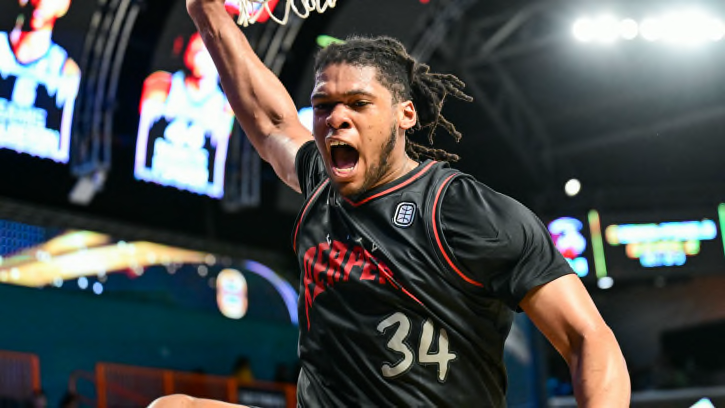
Jah Jackson: From Overtime Elite to NBA Draft - A Path Paved with Resilience and Dedication
Jahzare Jackson won three championships during his tenure at Overtime Elite, but will now be taking his talents to the next level.

Red Sox Joins Elite Company Thanks To Red-Hot Starting Rotation
Boston certainly has surprised people so far this season thanks to its pitching
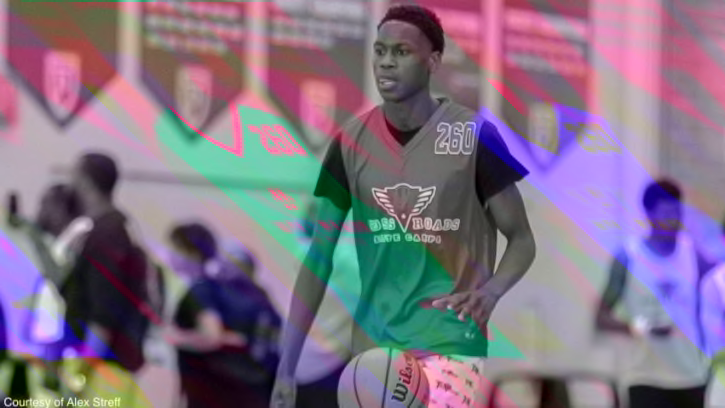
Georgia Tech Officially Announces Signings of 2024 Four-Star Prospects Darrion Sutton and Doryan Onwuchekwa
Georgia Tech officially added the two other two pieces to their 2024 recruiting class yesterday, a class that is ranked 12th overall in the country. Four-star
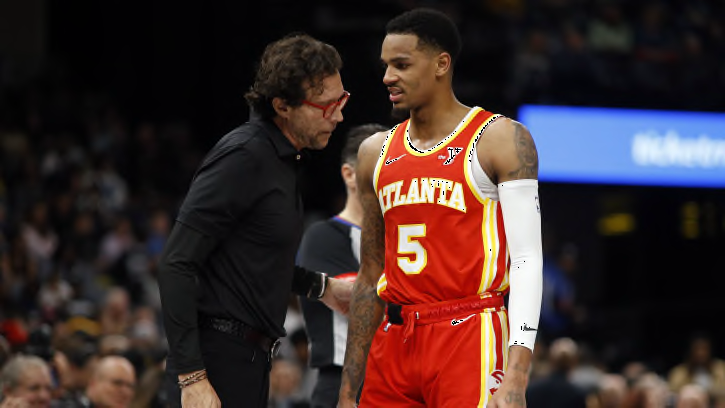
2024 NBA Offseason: Most Important Offseason Dates For Atlanta Hawks
The Atlanta Hawks season officially ended last night with a dismal performance in the play-in game vs the Bulls. It was an awful performance, even for a team th
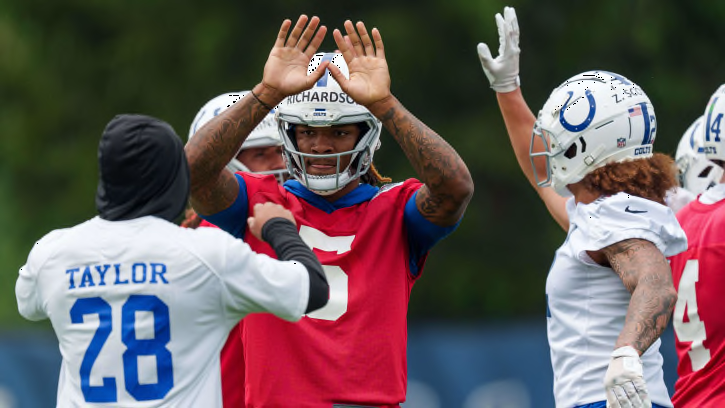
Shane Steichen: Richardson, Taylor Tandem 'Huge' for Colts' Success
Indianapolis Colts head coach Shane Steichen discussed the importance of having Anthony Richardson and Jonathan Taylor healthy and together for 2024.
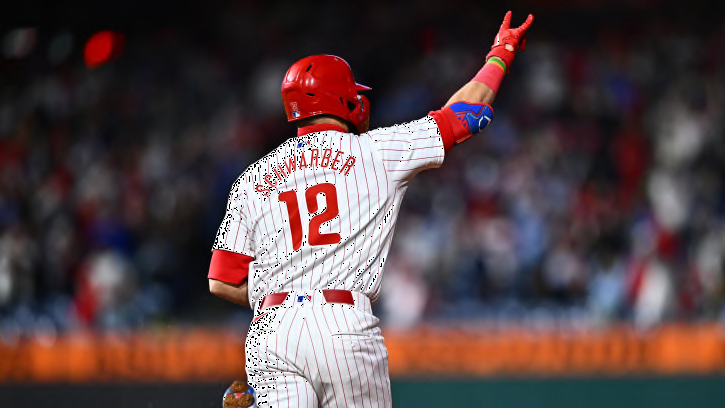
Kyle Schwarber Moves Up All-Time List on Wednesday as Phillies Down Rockies
The Philadelphia Phillies beat the Colorado Rockies on Wednesday afternoon, 7-6, as Kyle Schwarber continued to move up an impressive all-time list in baseball history. He went 2-for-5 with a homer and three RBI in the win.

Knicks Land Pitt Guard in Latest Mock Draft
The former Pitt Panthers star heads to New York in the first round.

Steelers Not Done Adding QBs
The Pittsburgh Steelers are still looking at quarterback options.
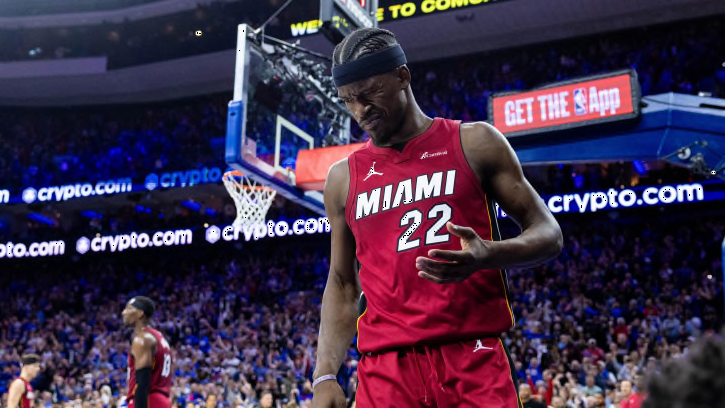
Miami Heat Star Battling Injury After Loss Against Sixers
Former Philadelphia 76ers veteran Jimmy Butler is facing a potential absence against the Bulls on Friday.
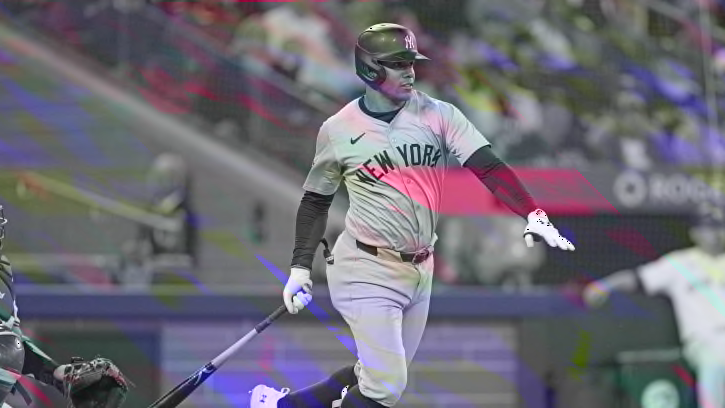
Juan Soto of the New York Yankees Joined Baseball Royalty on Historic List on Wednesday
The New York Yankees rallied to beat the Toronto Blue Jays on Wednesday afternoon at Rogers Centre as Juan Soto continued his hot start to the season. Soto recorded his 500th career RBI as well, putting him on a great list in baseball history.

Boston Red Sox' Hurler Tanner Houck Joins Greg Maddux in Awesome Baseball History
Tanner Houck of the Boston Red Sox threw a complete game shutout on Wednesday against the Cleveland Guardians, tossing a "Maddux" in the process. It was a historic night on multiple fronts for the young Sox righty.
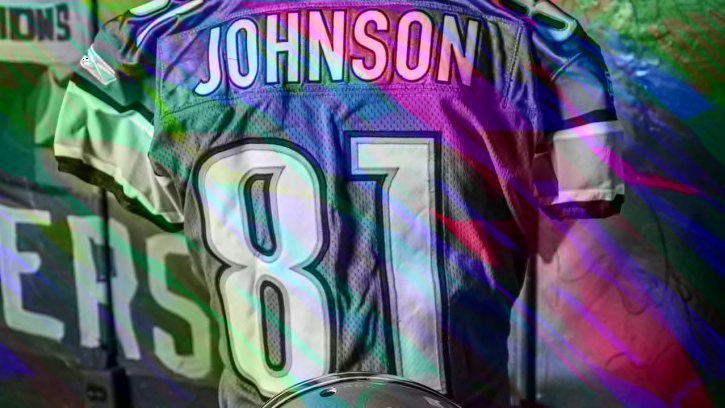
Detroit Lions Uniform Wishlist
The Lions will be unveiling new-look uniforms Thursday.
Pitt Offers Transfer DE With Local Ties
The Pitt Panthers are interested in a transfer portal target to replace Dayon Hayes.

Former Pitt DE Sets Two Visit Dates
Pitt Panthers transfer defensive end revealed upcoming visits coming soon.
Steelers Predicted to Move Up in NFL Draft
The Pittsburgh Steelers are likely to move up so they can grab a tackle of the future.
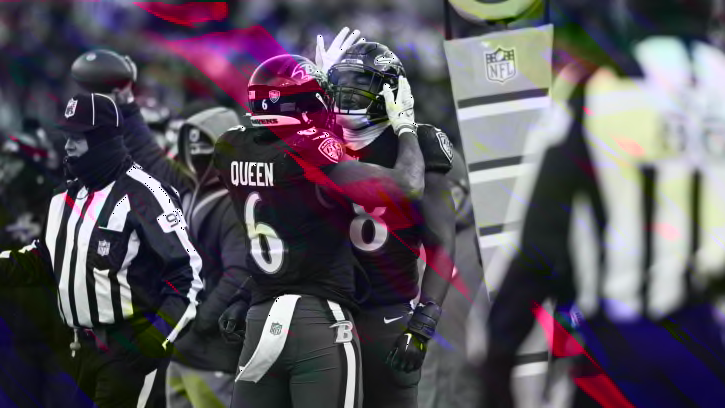
Ravens LB Shares Plans for Steelers' Patrick Queen
Patrick Queen's former teammate isn't letting the rivalry with the Pittsburgh Steelers die just because he's on the other side.
Positive Signs in Duke Basketball Pursuit of Two Transfers
Duke basketball is currently hosting one forward from the transfer portal while also appearing fond of another.
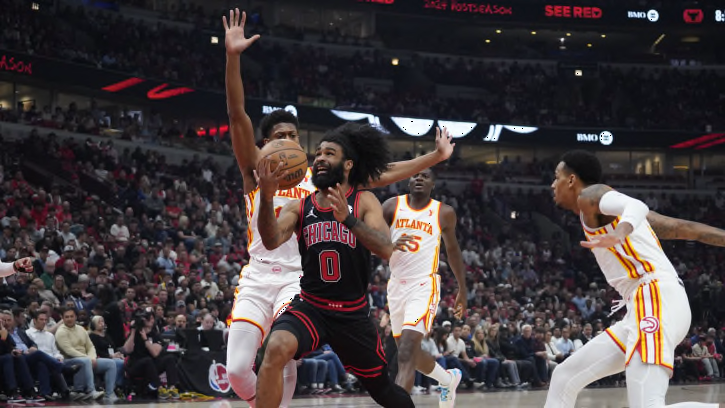
Bulls Best Hawks, Face Heat for Chance at Series vs. Celtics
A career night from Coby White, who registered a game-high 42 points, propelled the Bulls past the Hawks in Wednesday night's play-in tournament tilt in the Windy City.
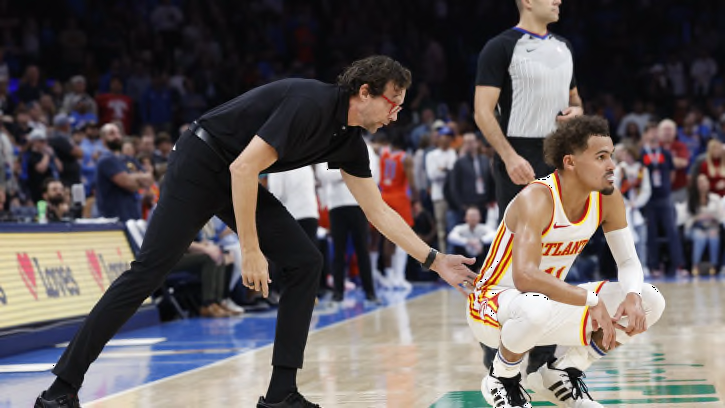
After Another Disappointing Season, The Atlanta Hawks Have Plenty Of Decisions To Make In Crucial Offseason
An exhausting and frustrating season is now in the books for the Atlanta Hawks. After coming into the season with hopes of getting out of the play-in tournamen